
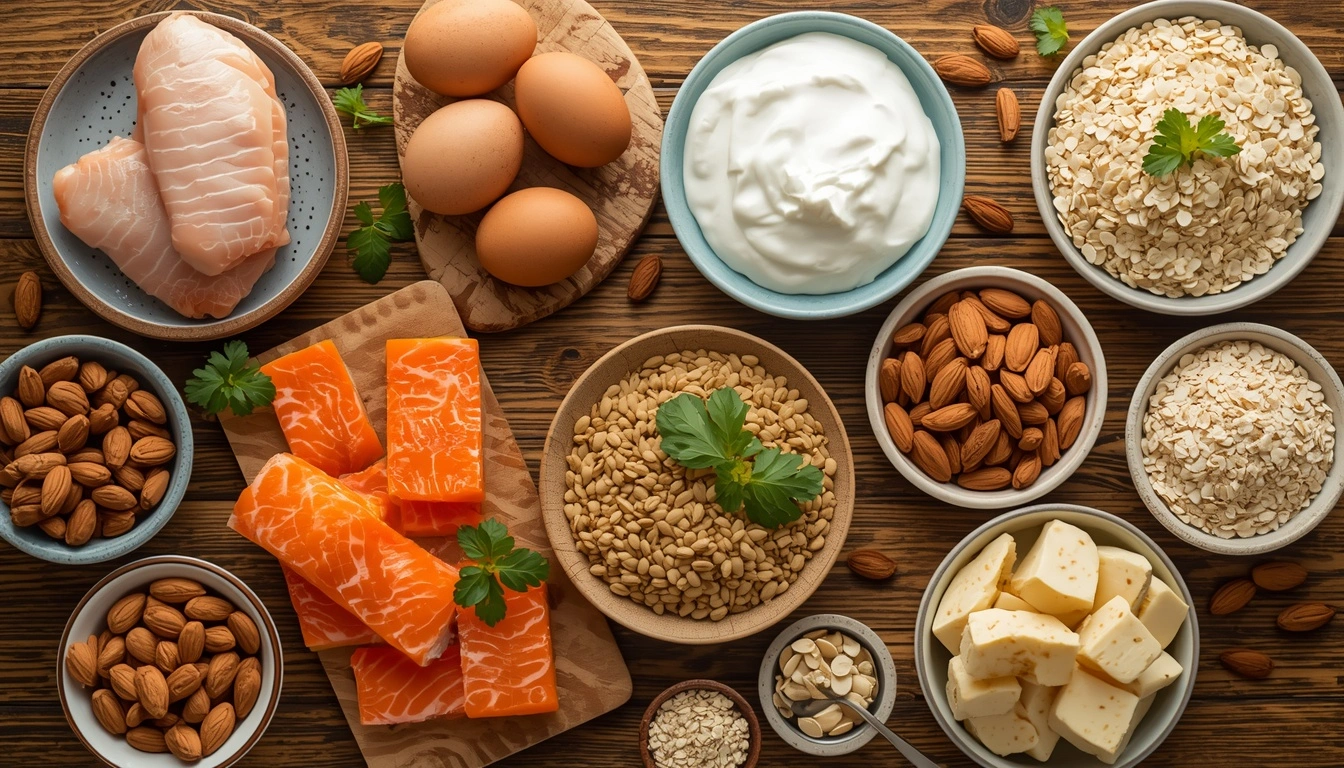
20 High Protein Foods List (2026 Guide): Eggs, chicken, fish, Greek yogurt, paneer, lentils, tofu, soybeans, and more with 8–31g protein per 100g for muscle growth and weight loss.
20 High Protein Foods List (2026 Guide) is something many people search for when they want to eat healthier but don’t know where to start. If you’re like most people, your day is packed with office work, family responsibilities, or a busy schedule that leaves little time for proper meal planning.
As a result, quick snacks and processed foods often become the easiest choice, making it harder to meet your daily protein needs.
The good news is that adding more protein to your meals doesn’t have to be expensive or complicated. A few smart food choices can help you stay full for longer, support muscle health, and make balanced eating much easier.
Whether you’re trying to lose weight, build muscle, or simply improve your overall health, choosing protein-rich foods can make a noticeable difference.
In this guide, you’ll discover 20 of the best high-protein foods, how much protein they provide per 100 grams, why they’re worth including in your diet, and the easiest ways to enjoy them.
Research suggests that a balanced diet with adequate protein may support long-term health, but individual needs vary. If you have a medical condition or specific dietary concerns, it’s always best to consult a qualified healthcare professional.
Table of Contents
What are the best high-protein foods?
The best high-protein foods include eggs, chicken breast, fish, Greek yogurt, paneer, lentils, soybeans, tofu, quinoa, almonds, and other nutrient-rich options. These foods provide quality protein, support muscle maintenance, promote fullness, and fit easily into a balanced diet for overall health.
Why Protein Matters
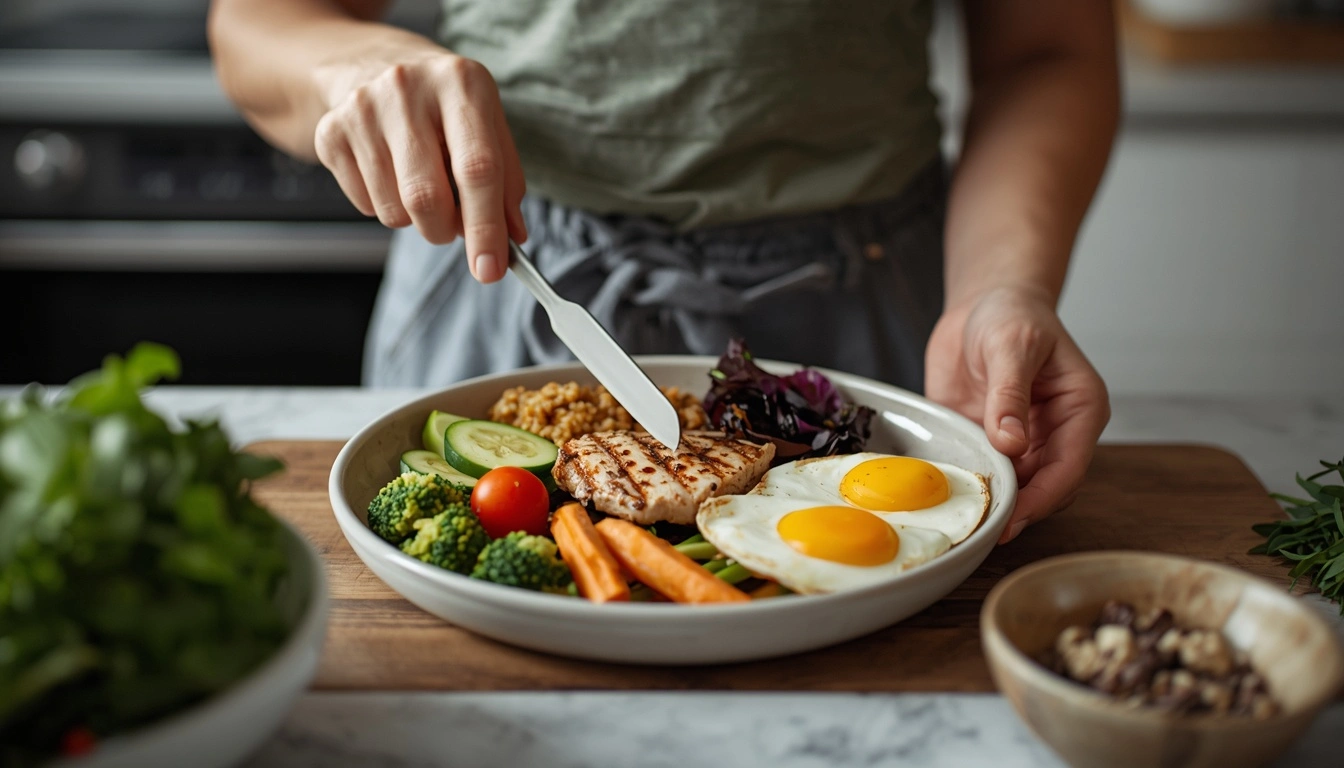
Protein is an essential nutrient that helps build and repair muscles, supports recovery after physical activity, and keeps you feeling satisfied between meals. It may also support healthy weight management by reducing hunger and helping preserve lean muscle during weight loss. Here’s the interesting part: protein does much more than support muscles. Your body uses it every day to produce enzymes, hormones, and other important compounds that help different systems function properly. Including healthy protein foods as part of a balanced diet can support overall well-being at every stage of life.
20 High Protein Foods List (2026 Guide) below includes healthy options that can help you meet your daily protein needs.
20 High Protein Foods List (2026 Guide)
1. Chicken Breast
Protein: 31 g per 100g
Why Eat It?
Chicken breast is a lean protein source that’s low in fat and rich in essential amino acids. It supports muscle growth and recovery, and helps you stay full for longer.
Best Way to Eat:
Grill or bake it with herbs and vegetables.
2. Eggs
Protein: 13 g per 100g
Why Eat It?
Eggs provide high-quality protein along with vitamins and minerals. If you’re wondering exactly how much protein eggs contain, read our guide on How Much Protein Is in 2 Eggs Scrambled? They’re versatile, affordable, and make an excellent choice for breakfast or healthy snacks.
Best Way to Eat:
Enjoy them boiled, scrambled, or as an omelet.
3. Greek Yogurt
Protein: 10 g per 100g
Why Eat It?
Greek yogurt is rich in protein and probiotics that support gut health. It keeps you feeling full while adding creaminess to meals and snacks.
Best Way to Eat:
Top with fresh fruit and nuts.
4. Paneer (Cottage Cheese)
Protein: 18 g per 100g
Why Eat It?
Paneer is a popular vegetarian protein that’s rich in calcium and supports muscle maintenance. It’s filling, delicious, and easy to include in everyday meals.
Best Way to Eat:
Add it to curries, salads, or grilled dishes.
5. Lentils
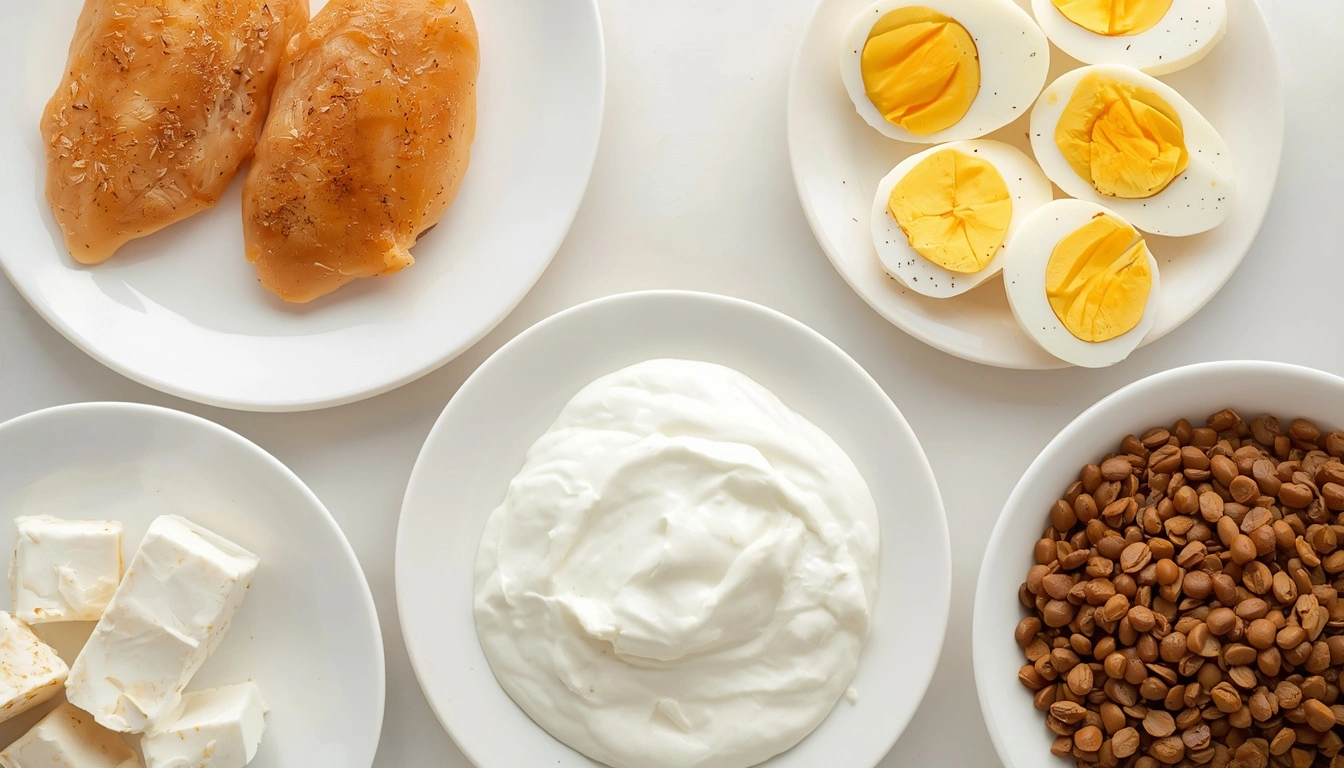
Protein: 9 g per 100g (cooked)
Why Eat It?
Lentils provide protein, fiber, iron, and other important nutrients. They support heart health, improve fullness, and are an excellent option for vegetarian diets.
Best Way to Eat:
Cook them as dal or add them to soups.
6. Tofu
Protein: 8 g per 100g
Why Eat It?
Tofu is made from soybeans and is a great plant-based protein. It absorbs flavors well, contains all essential amino acids, and fits easily into vegetarian and vegan meals.
Best Way to Eat:
Stir-fry it with vegetables or grill it with spices.
7. Salmon
Protein: 20 g per 100g
Why Eat It?
Salmon offers high-quality protein along with heart-healthy omega-3 fatty acids. Research suggests it may support brain health, muscle recovery, and overall wellness as part of a balanced diet.
Best Way to Eat:
Bake or grill it with lemon and herbs.
8. Tuna
Protein: 29 g per 100g
Why Eat It?
Tuna is one of the richest sources of lean protein. It’s low in fat, filling, and a convenient choice for quick lunches or post-workout meals.
Best Way to Eat:
Mix it into salads or enjoy it with whole-grain bread.
9. Turkey Breast
Protein: 29 g per 100g
Why Eat It?
Turkey breast is lean, protein-rich, and naturally low in saturated fat. It supports muscle maintenance and can be a healthy alternative to processed meats.
Best Way to Eat:
Roast or grill it with vegetables.
10. Lean Beef
Protein: 26 g per 100g
Why Eat It?
Lean beef provides complete protein, iron, zinc, and vitamin B12. It can support energy production and muscle health when eaten in moderation as part of a balanced diet.
Best Way to Eat:
Choose grilled or roasted lean cuts.
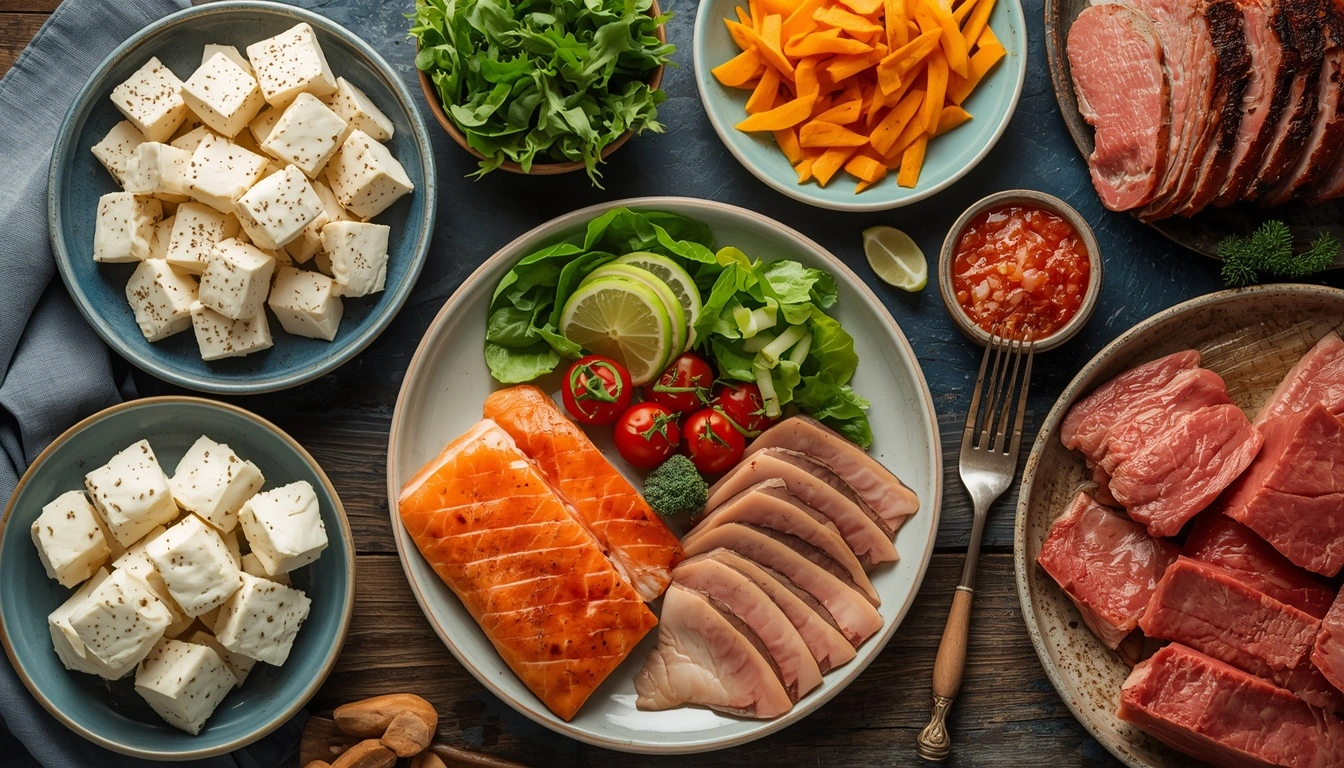
11. Soybeans
Protein: 36 g per 100g (dry)
Why Eat It?
Soybeans are among the highest-protein plant foods. They also provide fiber, healthy fats, and essential minerals, making them an excellent choice for vegetarian protein intake.
Best Way to Eat:
Boil them or add them to salads and curries.
12. Chickpeas
Protein: 9 g per 100g (cooked)
Why Eat It?
Chickpeas combine protein with fiber to help you stay satisfied for longer. They’re versatile, budget-friendly, and suitable for many healthy recipes.
Best Way to Eat:
Use them in curries, salads, or homemade hummus.
13. Quinoa
Protein: 4.4 g per 100g (cooked)
Why Eat It?
Quinoa is a whole grain that contains complete protein along with fiber and minerals. It’s naturally gluten-free and works well in balanced meals.
Best Way to Eat:
Serve it as a rice substitute or in grain bowls.
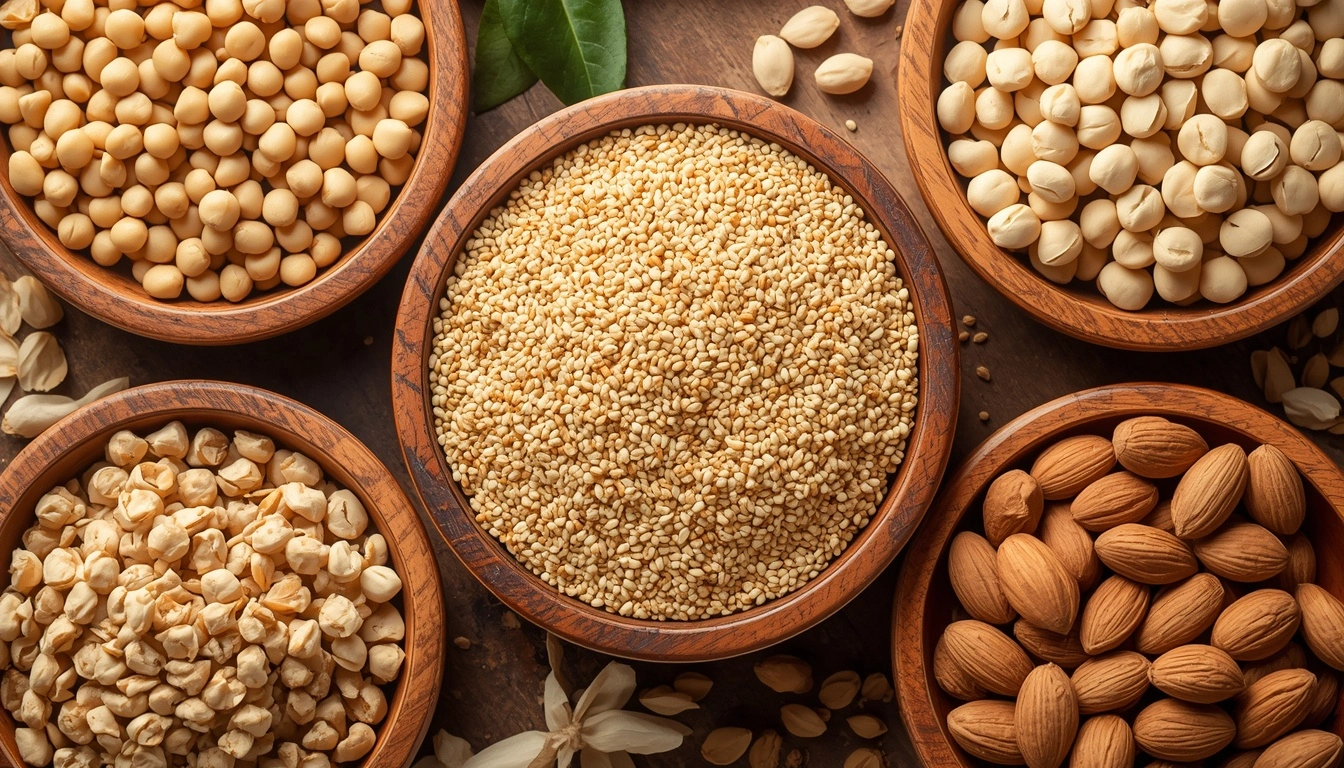
14. Almonds
Protein: 21 g per 100g
Why Eat It?
Almonds provide protein, healthy fats, vitamin E, and magnesium. They make a satisfying snack and can support heart health when eaten in moderate portions.
Best Way to Eat:
Enjoy a handful as a snack or add them to oatmeal.
15. Peanuts
Protein: 26 g per 100g
Why Eat It?
Peanuts are rich in protein, healthy fats, and antioxidants. They are affordable, filling, and easy to include in snacks or everyday meals for extra nutrition.
Best Way to Eat:
Eat them roasted or spread natural peanut butter on whole-grain toast.
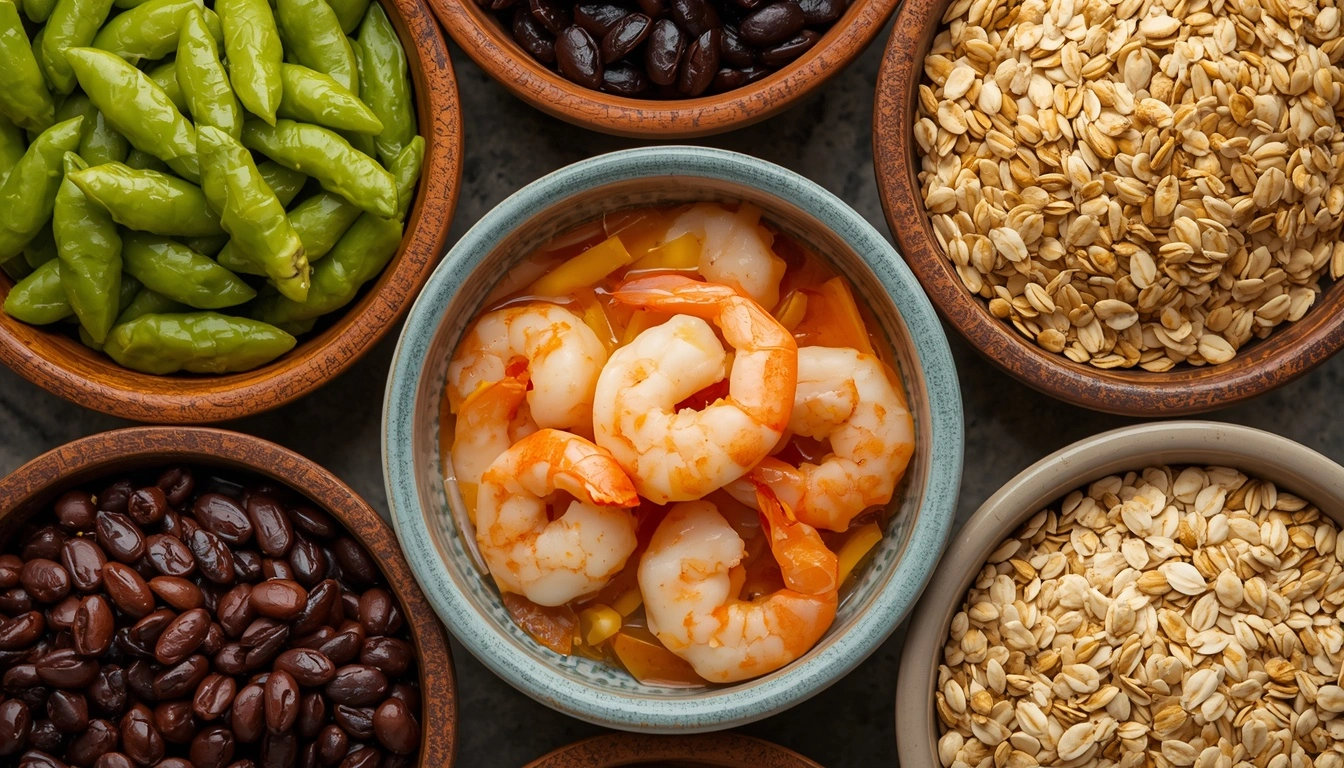
16. Edamame
Protein: 11.9 g per 100g
Why Eat It?
Edamame is a protein-rich plant food that’s also high in fiber, folate, and essential vitamins. It helps keep you full, supports muscle health, and makes a nutritious addition to a balanced vegetarian diet.
Best Way to Eat:
Steam it lightly and enjoy it as a snack or add it to salads.
17. Shrimp
Protein: 24 g per 100g
Why Eat It?
Shrimp is a lean seafood that’s high in protein and naturally low in fat. It also provides important nutrients like selenium and vitamin B12.
Best Way to Eat:
Grill or stir-fry it with vegetables.
18. Pumpkin Seeds
Protein: 30 g per 100g
Why Eat It?
Pumpkin seeds are packed with plant protein, magnesium, zinc, and healthy fats. They make an easy, nutritious addition to meals and snacks.
Best Way to Eat:
Sprinkle them over yogurt, salads, or oatmeal.
19. Black Beans
Protein: 9 g per 100g (cooked)
Why Eat It?
Black beans provide protein, fiber, and antioxidants that support overall health. They help keep you full and fit well into many balanced meals.
Best Way to Eat:
Add them to soups, rice bowls, or salads.
20. Oats
Protein: 13 g per 100g (dry)
Why Eat It?
Oats contain more protein than many other grains and also provide fiber that supports fullness. They’re a smart breakfast choice for lasting energy.
Best Way to Eat:
Cook them with milk and top with nuts and fruit.
Practical Tips
To get the most from this 20 High Protein Foods List (2026 Guide), include a protein source in every main meal.
One simple habit can make a big difference—include a protein source in every main meal. Plan your weekly meals to avoid relying on processed snacks. Combine lean protein with whole grains, vegetables, and healthy fats for balanced nutrition. Keep convenient options like boiled eggs, Greek yogurt, roasted chickpeas, or nuts on hand for busy days. If you’re physically active, try spreading your protein intake throughout the day instead of eating most of it in one meal.A balanced protein intake can also support weight management when combined with regular exercise and healthy eating habits.
Common Mistakes
Many beginners focus only on protein while forgetting fruits, vegetables, and whole grains. Another common mistake is depending heavily on protein supplements instead of whole foods. Skipping meals, eating oversized portions of meat, or ignoring plant-based protein sources can also reduce dietary balance. Even when following this 20 High Protein Foods List (2026 Guide), research suggests that overall eating patterns matter more than any single food. Aim for variety, choose minimally processed foods whenever possible, and consult a healthcare professional if you have kidney disease or other medical conditions.
Benefits of Eating High-Protein Foods

The foods in this 20 High Protein Foods List (2026 Guide) may help you stay full for longer, making it easier to manage hunger throughout the day. Protein also supports muscle growth, tissue repair, and recovery after exercise. Combined with regular physical activity, it may help preserve lean muscle during weight loss. Many protein-rich foods also provide vitamins, minerals, and healthy fats that contribute to overall wellness. The key is to include a variety of healthy protein foods as part of a balanced diet rather than relying on one source alone.
Conclusion
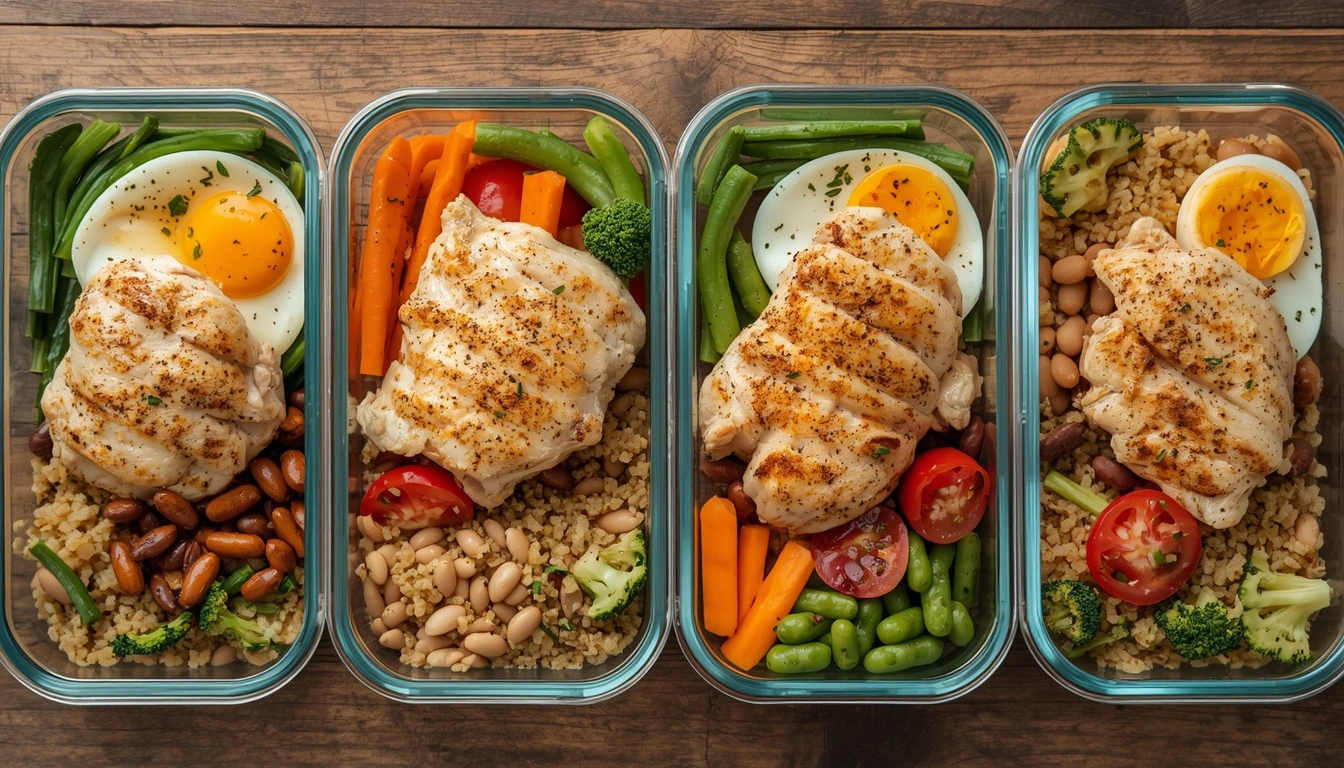
This 20 High Protein Foods List (2026 Guide) shows that meeting your daily protein needs doesn’t require expensive foods or complicated recipes.
Whether you prefer vegetarian meals, seafood, dairy products, or lean meats, there are plenty of nutritious options that fit different lifestyles and budgets. The good news is that small, consistent changes often have the greatest impact over time.
Focus on adding a quality protein source to each meal, combine it with vegetables, whole grains, and healthy fats, and maintain an active lifestyle. Research suggests that a balanced approach is more effective than restrictive diets.
If you have specific health concerns or medical conditions, seek personalized advice from a qualified healthcare professional.
Start with one or two protein-rich foods from this list today and build healthier eating habits step by step.
Frequently Asked Questions (FAQs)
Item #1
What is the highest-protein food per 100g?
Among commonly eaten foods, soybeans (dry), chicken breast, tuna, pumpkin seeds, and turkey breast are excellent protein sources. The healthiest option for you depends on your dietary preferences, nutritional needs, and overall eating pattern rather than protein content alone.
Item #2
Can I get enough protein from vegetarian foods?
Yes. Foods like paneer, tofu, soybeans, lentils, chickpeas, quinoa, almonds, and pumpkin seeds can help you meet your daily protein needs. Eating a variety of plant-based protein sources throughout the day supports a balanced vegetarian diet.
Item #3
How much protein should I eat every day?
Daily protein needs vary based on age, activity level, and health goals. Most healthy adults benefit from regular protein intake spread across meals. For personalized recommendations, consult a registered dietitian or qualified healthcare professional.
Item #4
Are high-protein foods good for weight loss?
Protein may help with weight loss by increasing fullness and supporting muscle maintenance while reducing overall calorie intake. However, lasting results depend on a balanced diet, regular physical activity, adequate sleep, and healthy lifestyle habits rather than protein alone.
Item #5
How much protein is in 100 grams of chicken breast?
Chicken breast provides around 31 grams of protein per 100 grams. It is a lean protein source that is low in fat and commonly used for muscle growth, recovery, and balanced meal plans. The exact amount may vary depending on cooking method and portion size.
Item #6
Are high-protein foods good for building muscle?
Yes, high-protein foods can support muscle growth by providing amino acids needed for muscle repair and recovery. Foods like chicken breast, eggs, fish, paneer, tofu, lentils, and soybeans can be included as part of a balanced diet along with regular strength training.