Introduction
What Is the Best Indian Healthy Diet Plan? (Quick Answer)
A good 10 Indian healthy diet plan includes balanced meals with protein, fiber, healthy fats, vegetables, fruits, and whole grains while keeping highly processed foods moderate.
A healthy eating routine should feel realistic, not like you have to give up every food you enjoy. . The best diet plan is usually the one you can follow consistently using normal foods that fit your routine and lifestyle.
Trying to eat healthy sounds simple—until real life starts happening.
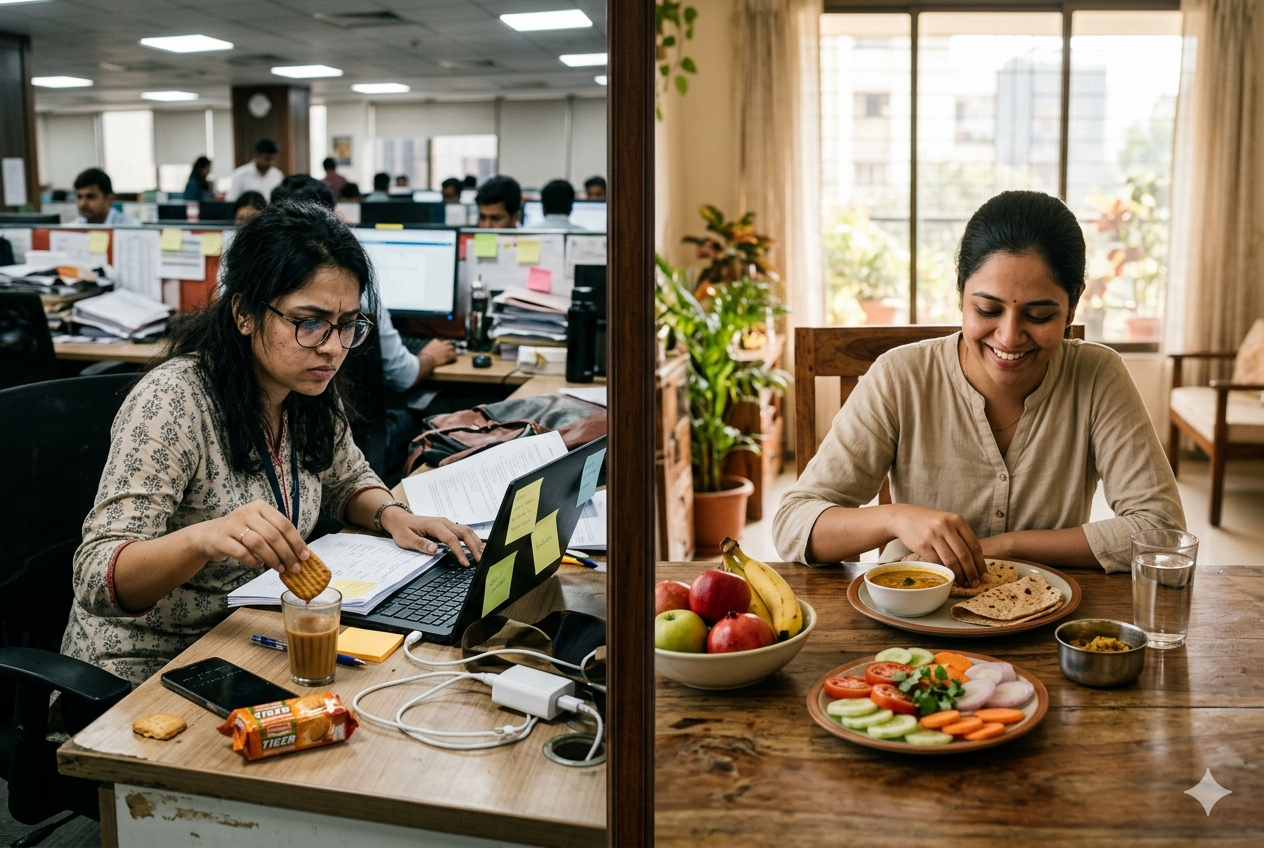
One day starts with good intentions and a homemade breakfast. The next day turns into chai, biscuits, skipped meals, office deadlines, school responsibilities, late dinners, or random evening cravings. For many people, healthy eating doesn’t fail because of lack of motivation—it fails because life gets busy.
In Indian households especially, food is emotional, social, and deeply connected to routine. Family meals, festivals, long work hours, emotional eating, and convenience foods often make consistency difficult.
A practical 10 Indian healthy diet plan focuses on normal foods, better portions, and habits that fit everyday life.
Instead of removing everything you enjoy, the goal is to build balanced eating habits using foods that already fit into Indian kitchens.
This guide shares practical and easy diet plan ideas that support healthier eating without making daily life harder.
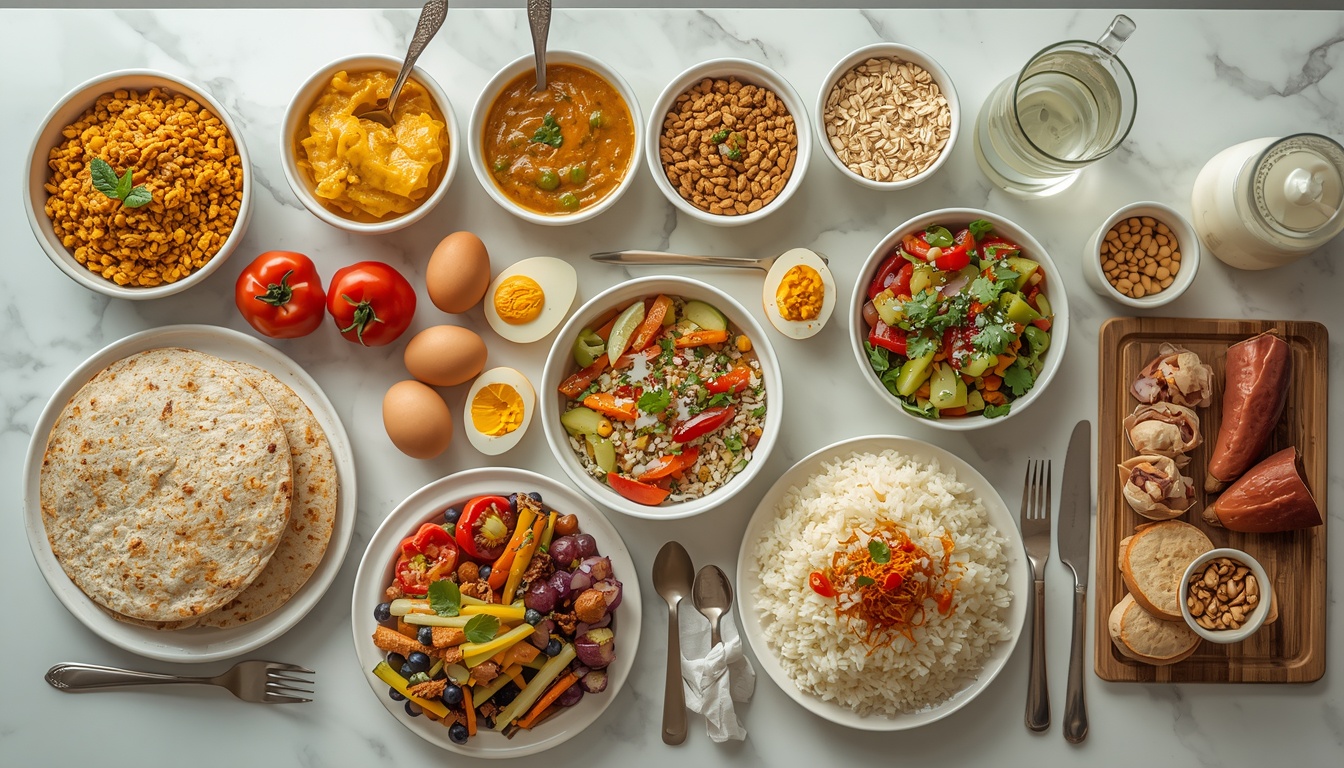
Indian meals already include many nutritious foods:
- Dal and legumes for protein
- Roti and rice for energy
- Vegetables for fiber
- Curd for gut support
- Traditional spices for flavor
- Seasonal fruits for variety
The challenge is usually portion balance—not Indian food itself.
The good part is that small changes often create noticeable results over time.
1. Start Your Morning with a Balanced Breakfast
Skipping breakfast feels convenient until energy crashes later.
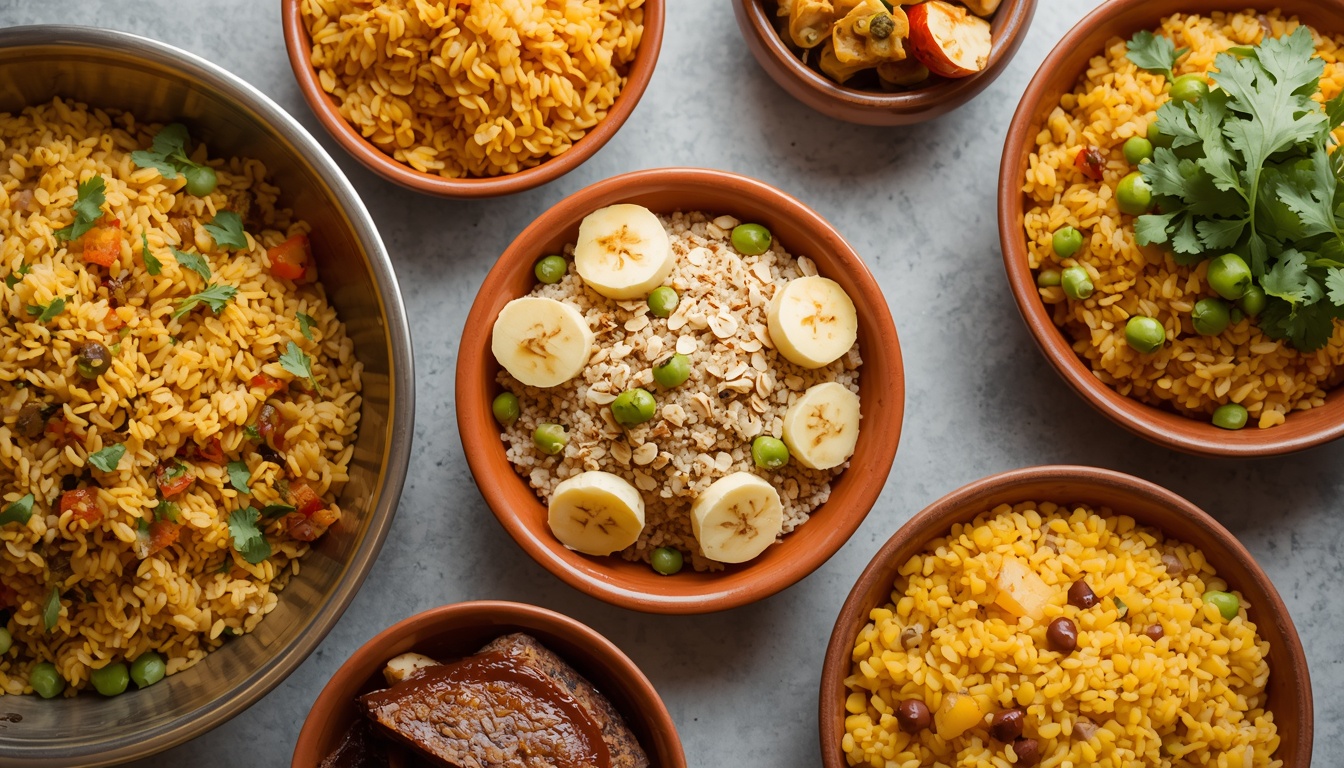
A healthier Indian breakfast may include:
- Vegetable poha
- Oats with milk
- Idli with sambar
- Moong chilla
- Eggs with whole wheat toast
Try adding protein early in the day.
Example:
Breakfast: Oats + banana + boiled eggs
This simple habit fits naturally into a 10 Indian healthy diet plan.
2. Include Protein in Every Meal
Many people eat enough calories but not enough protein.
Protein helps support fullness and can make meals more satisfying.
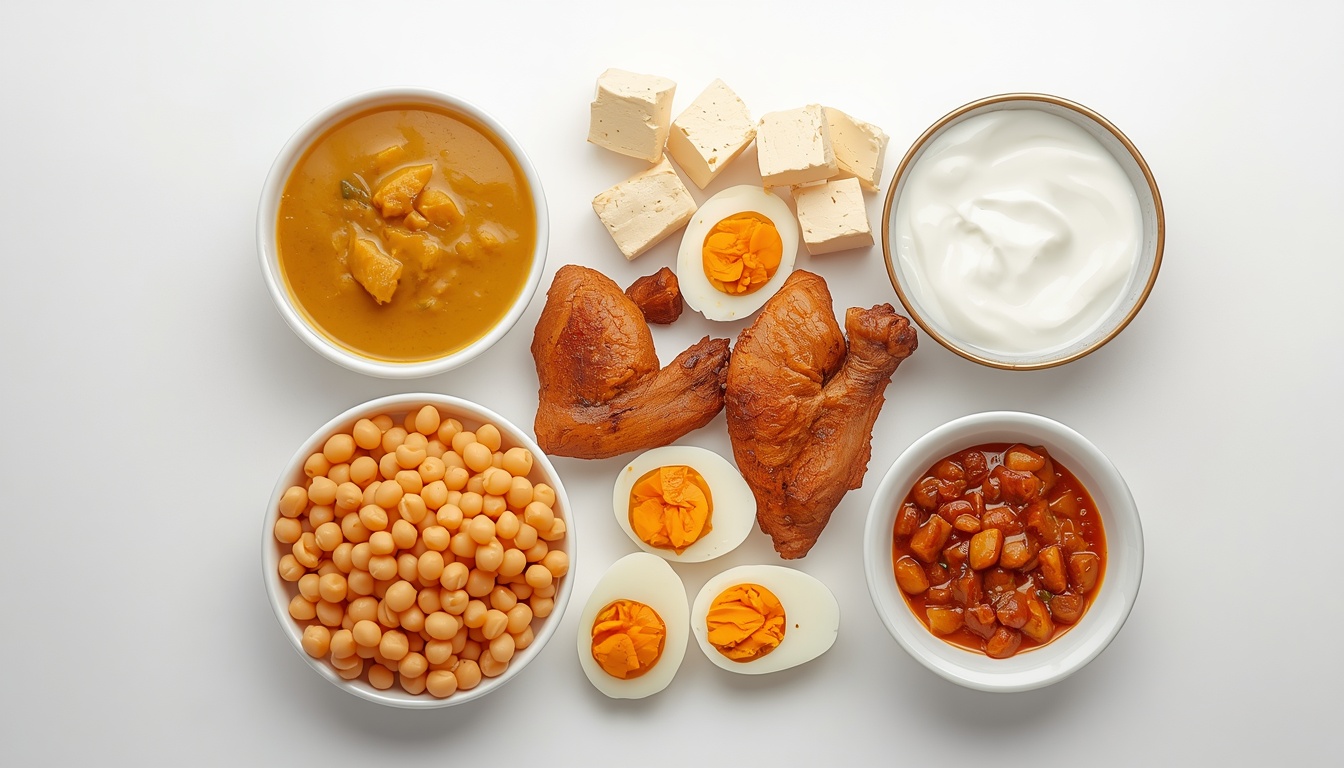
Good Indian protein sources:
- Dal
- Paneer
- Eggs
- Greek yogurt
- Chickpeas
- Rajma
- Fish
- Chicken
Simple lunch example:
Roti + dal + vegetables + curd
Honestly, even one extra protein source per meal can make a difference.
3. Build Your Plate Instead of Counting Calories
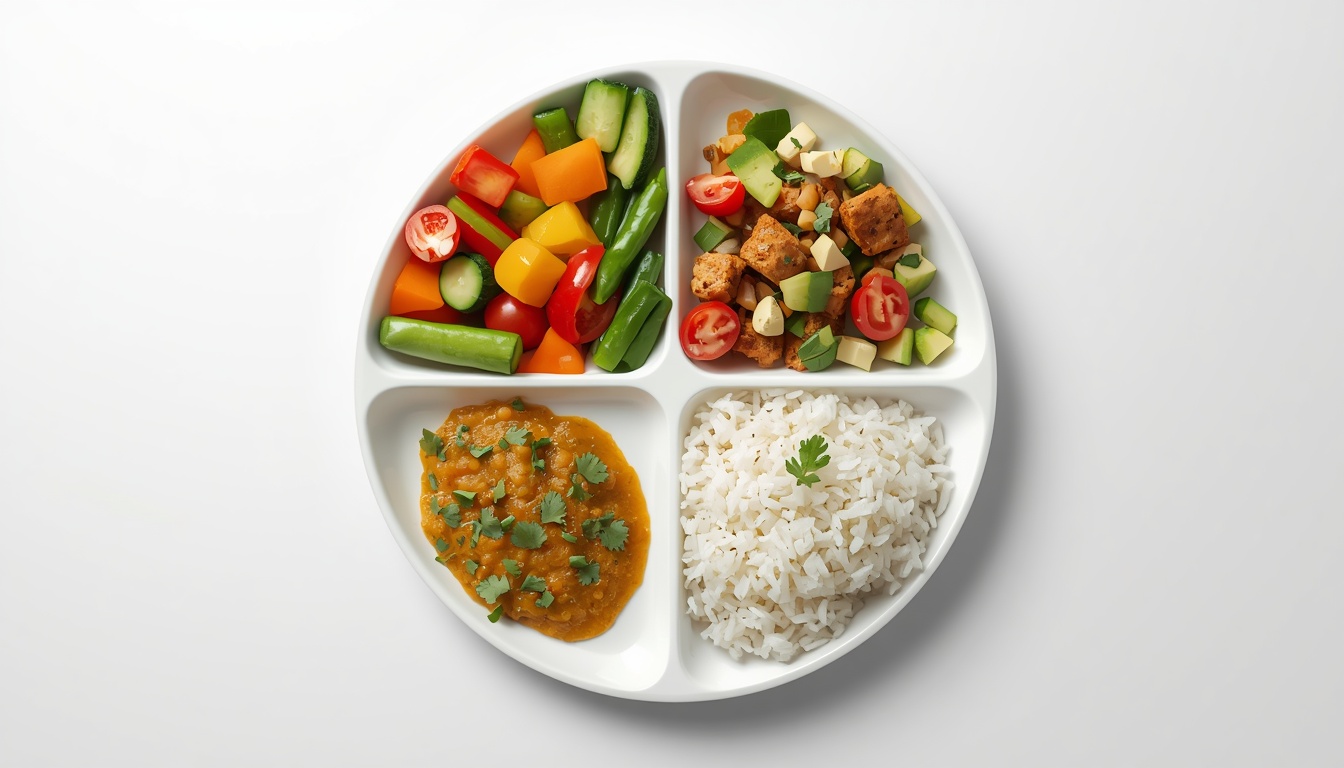
Instead of strict tracking, use this simple method:
Healthy Plate Formula
- 50% vegetables
- 25% protein
- 25% grains
Example:
 Salad
Salad
Dal
Brown rice
This approach keeps eating practical and sustainable.
4. Choose Better Carbohydrates
Carbs often get blamed unfairly.
Energy still matters.
Try replacing:
- White bread → Whole grain bread
- Refined snacks → Fruit
- Fried snacks → Roasted chana
Better carb options:
- Brown rice
- Millets
- Whole wheat roti
- Oats
- Sweet potatoes
This makes a 10 Indian healthy diet plan easier to maintain.
5. Add Seasonal Fruits Daily
Indian markets already offer affordable healthy choices.
Examples:
- Banana
- Papaya
- Apple
- Orange
- Guava
- Watermelon
Easy idea:
Mid-morning fruit instead of packaged snacks.
For many families, this small switch becomes surprisingly sustainable.
6. Make Smart Evening Snack Choices
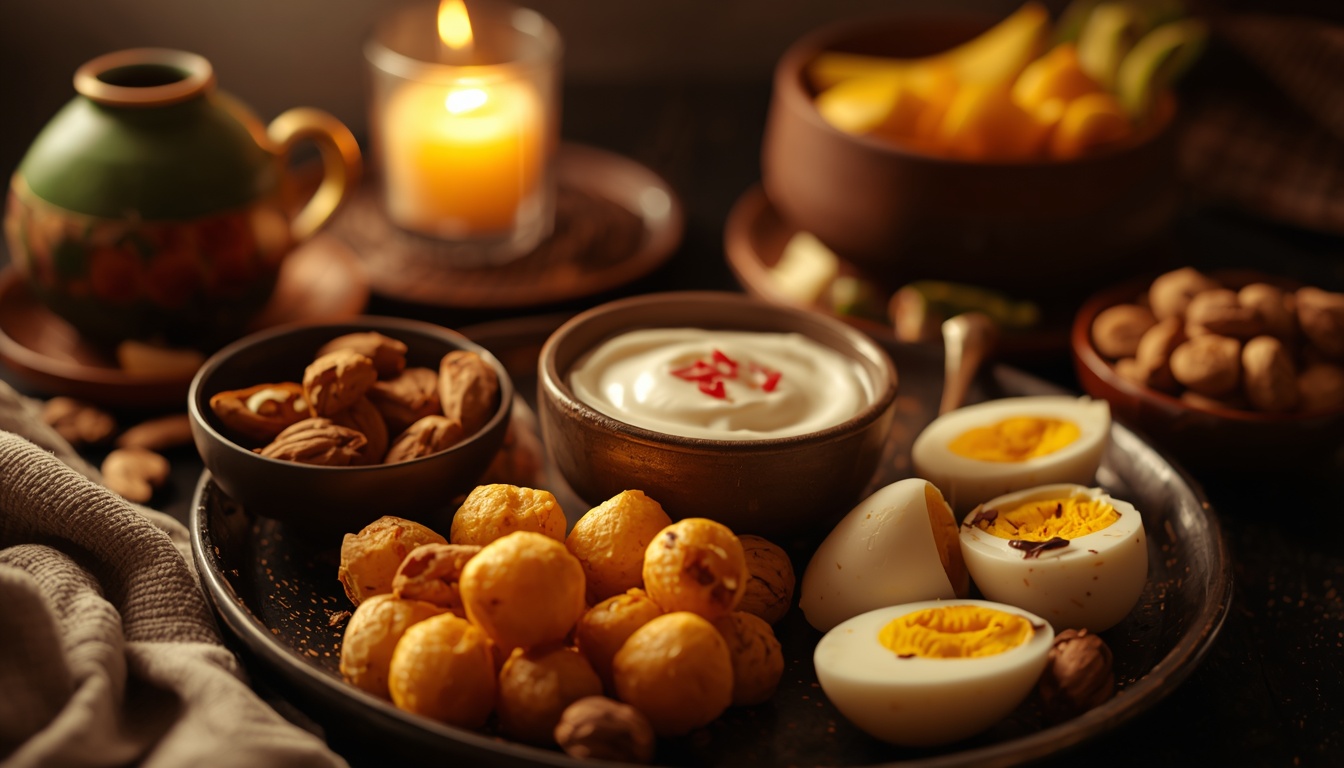
Evenings are where many diet plans collapse.
After office work or household responsibilities, convenience usually wins.
Better options:
- Roasted makhana
- Fruit bowl
- Nuts
- Boiled eggs
- Yogurt
Try preparing snacks in advance.
Your future self usually appreciates that decision.
7. Improve Dinner Without Making It Complicated
Dinner doesn’t need to be extremely light.
It simply needs balance.
Simple dinner ideas:
Option 1
Roti + sabzi + curd
Option 2
Rice + dal + vegetables
Option 3
Paneer stir fry + salad
This step supports a realistic 10 Indian healthy diet plan.
8. Drink Water Consistently
People often mistake dehydration for hunger.
Simple hydration habits:
- Keep a water bottle nearby
- Drink before meals
- Reduce sugary drinks
Helpful additions:
- Lemon water
- Coconut water
- Plain water
Tea and coffee are enjoyable—but they should not replace hydration.
9. Keep Traditional Indian Foods Alive
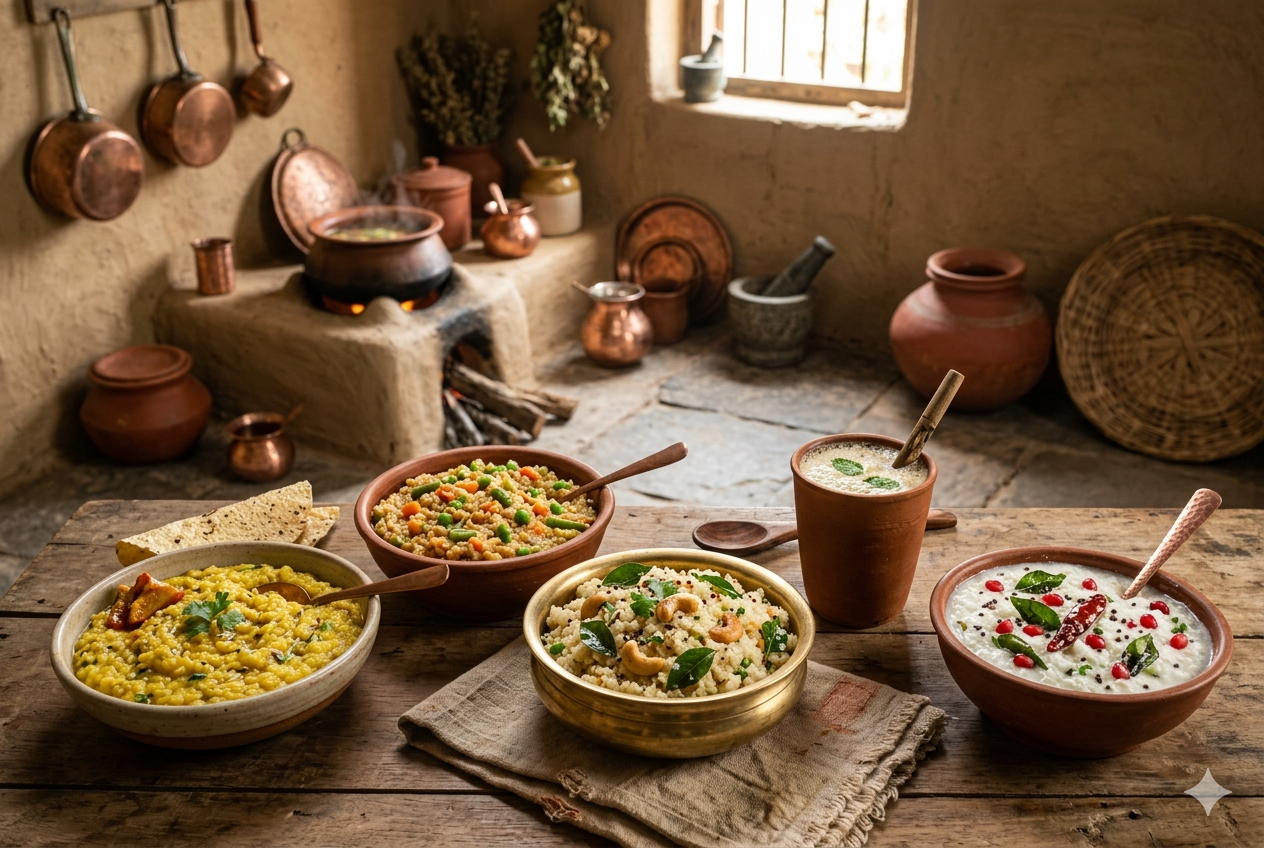
Healthy eating doesn’t require imported foods.
Nutritious Indian options include:
- Khichdi
- Daliya
- Upma
- Curd rice
- Bajra roti
- Sattu
Many traditional meals already support balanced eating.
That’s one reason a 10 Indian healthy diet plan can feel practical globally too.
10. Follow the 80–20 Rule
Perfection usually doesn’t last.
Aim for:
- 80% balanced meals
- 20% flexibility
Birthday cake, family dinners, or weekend treats do not ruin progress.
Consistency matters more than occasional indulgence.
Benefits of Following a 10 Indian Healthy Diet Plan
Over time, balanced eating may support:
- More stable energy
- Better meal satisfaction
- Improved concentration
- Reduced random snacking
- More organized eating habits
- Better daily routine
Results are usually gradual.
That’s normal.
Practical Daily Indian Healthy Meal Plan
Morning
Mid-Morning
Lunch
Roti + dal + sabzi + curd
Evening
Dinner
Rice + paneer + vegetables
Optional
Milk before sleep
This sample supports a practical 10 Indian healthy diet plan without extreme restrictions.
Common Mistakes That Make Healthy Eating Hard
1. Skipping meals
Leads to overeating later.
2. Eating too little protein
Meals feel less satisfying.
3. Depending on packaged “healthy” foods
Natural foods often work better.
4. Drinking calories
Sugary beverages add up quickly.
5. Following unrealistic diets
Short-term plans rarely become long-term habits.
Tips to Stay Consistent
- Plan simple meals
- Cook extra portions
- Keep fruit visible
- Carry healthy snacks
- Avoid long meal gaps
- Focus on progress
Small habits repeated daily usually matter more than dramatic changes.
Conclusion
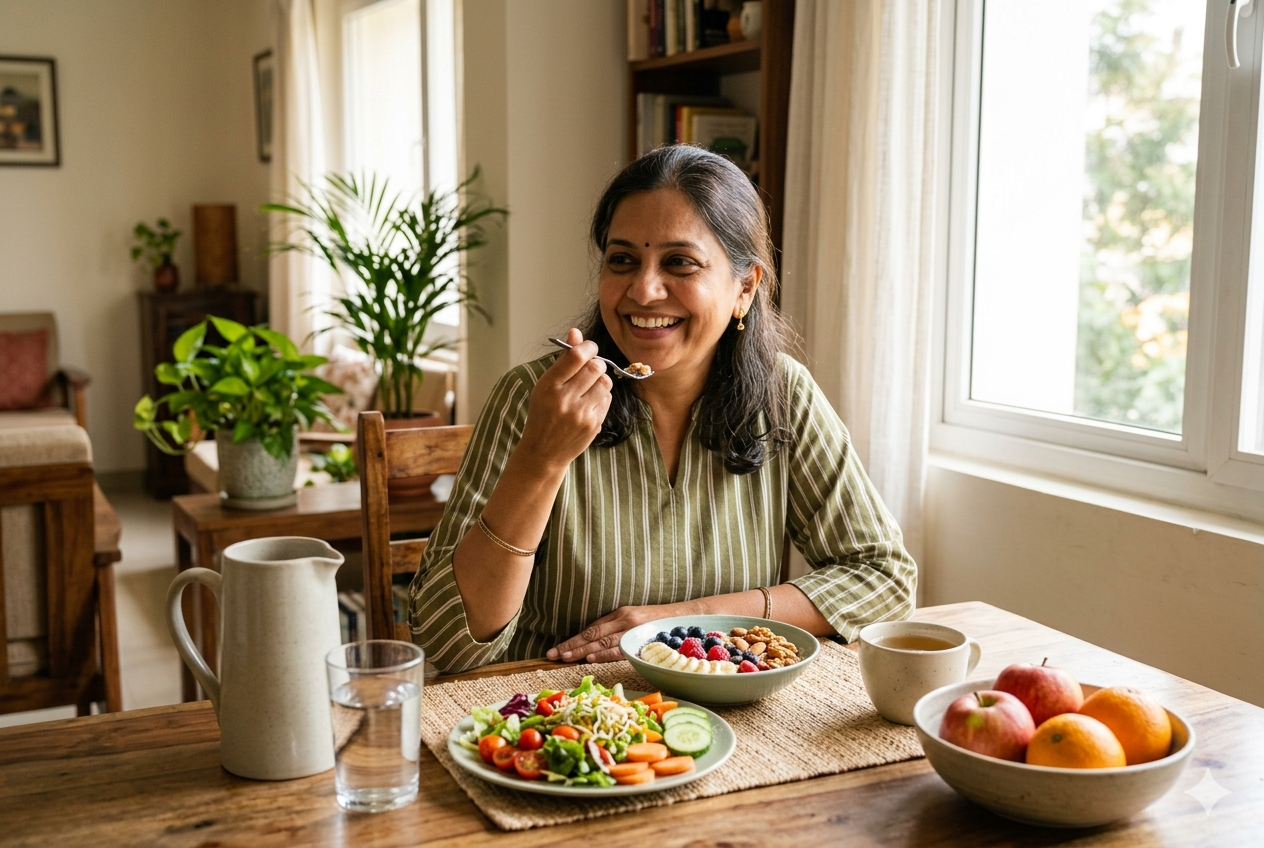
Healthy eating doesn’t need expensive ingredients, complicated meal charts, or giving up Indian food.
A practical 10 Indian healthy diet plan works because it fits real life—not ideal life.
You don’t need to rebuild your kitchen overnight.
Start with one change this week.
Maybe add protein at breakfast. Replace one snack. Drink more water.
Those small decisions often become routines before you even notice.
Start with one small change this week and see what feels realistic for your routine. If you found this guide useful, explore more practical health and nutrition tips to make healthy eating easier and more sustainable.
FAQ
