
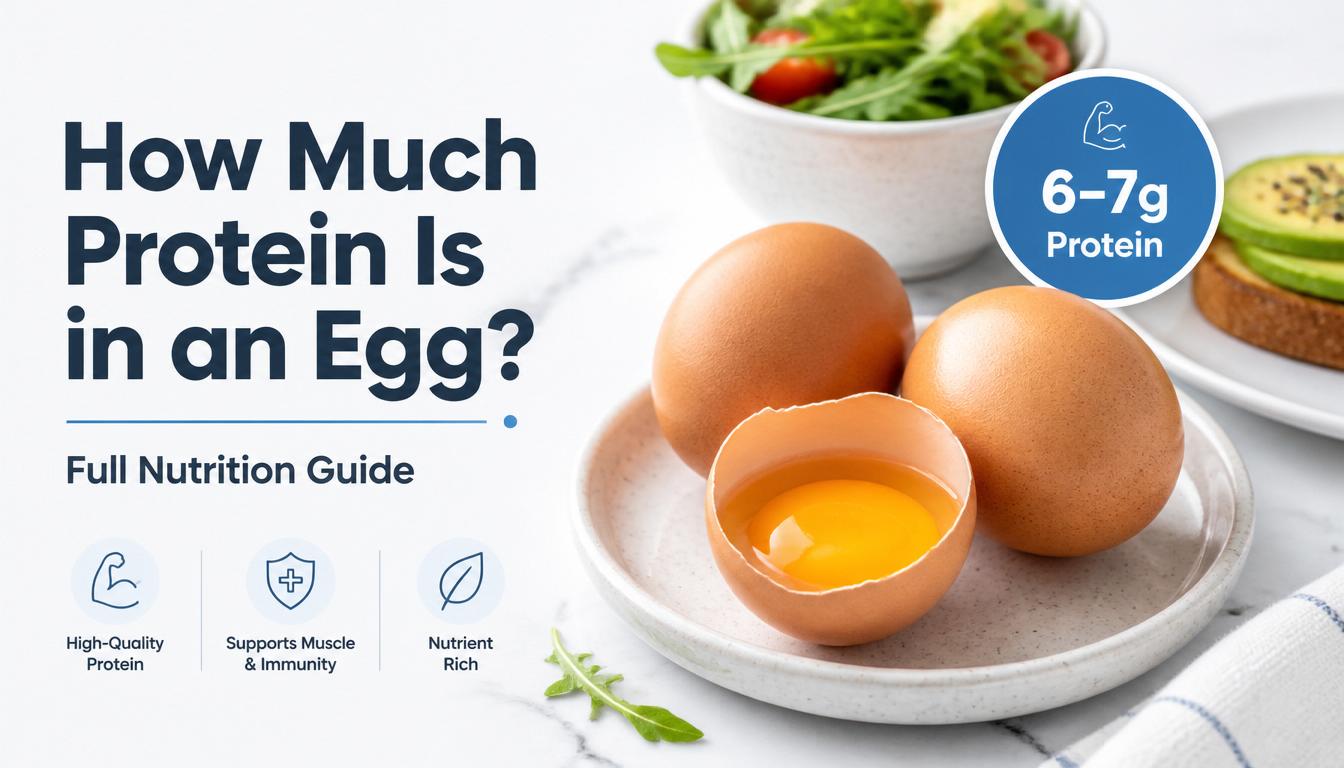
Eggs are one of the most widely consumed and nutritionally dense foods in the world. Whether you’re trying to build muscle, lose weight, or simply eat healthier, eggs are often a go-to option. But one of the most common questions people ask is: “How much protein is in an egg?”
In this detailed guide, we’ll break down the protein content of eggs, their nutritional value, benefits, and how to include them in your daily diet effectively.
👉 If you’ve ever tried improving your diet, you’ve probably already considered adding eggs—they’re simple, affordable, and surprisingly effective.
Understanding how much protein is in an egg can help you make smarter choices for muscle growth, weight management, and overall nutrition.
Table of Contents
How Much Protein Is in One Egg?
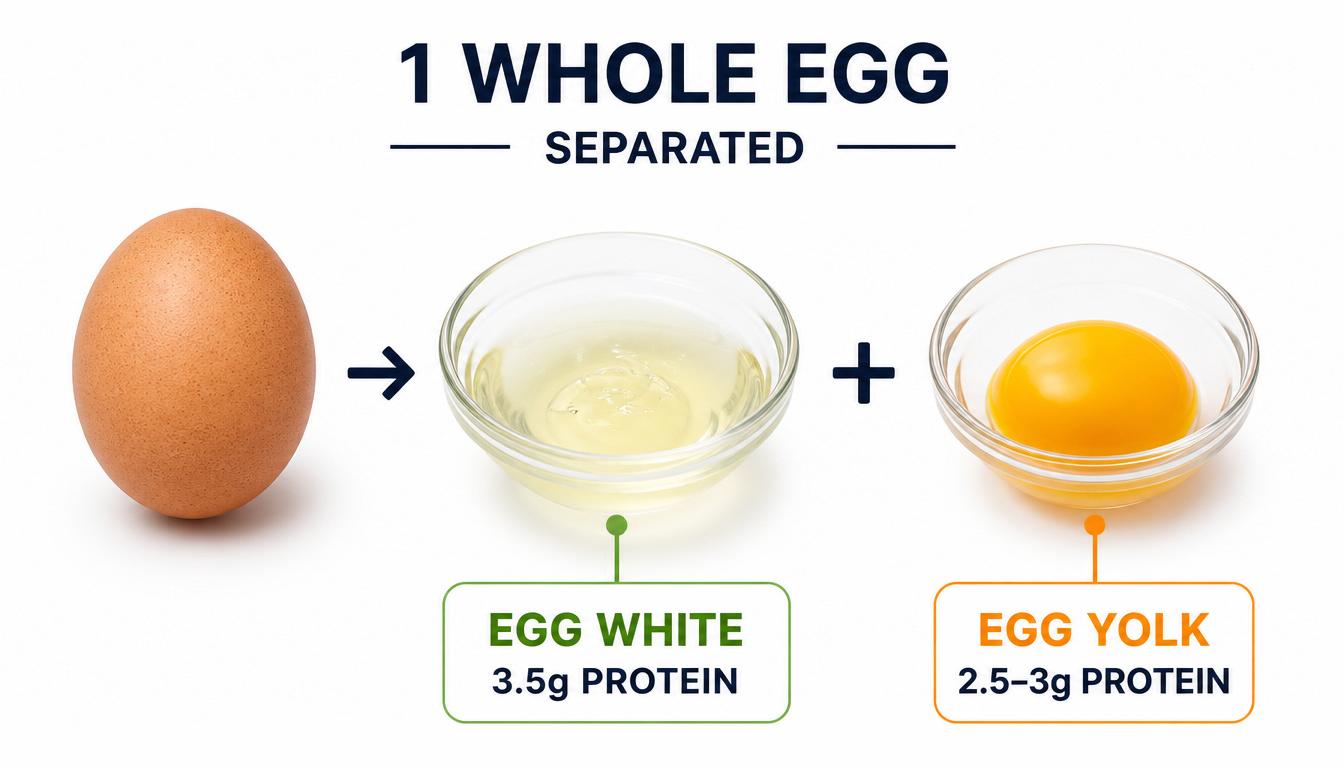
A typical large egg, which weighs around 50 grams, contains roughly:
👉around 6–7 grams of good-quality protein
This protein is divided between the different parts of the egg:
Egg white: approximately 3.5 grams of protein
Egg yolk: about 2.5 to 3 grams of protein
Many people think that only the egg white has protein, but the yolk also provides a notable amount, along with important nutrients.
👉 In everyday eating habits, people usually consume more than one egg per meal, often 2 to 3 eggs, which increases the overall protein intake significantly.
Why How Much Protein Is in an Egg Matters for Health
Not all proteins are the same. Eggs are a complete protein source, meaning they contain all nine essential amino acids that the body cannot make by itself.
Because of this, eggs are frequently used as a benchmark for assessing the quality of other protein sources. T
his makes them especially useful for:
Muscle repair and growth
Maintaining body tissues
Producing hormones
How Much Protein Is in an Egg and Its Nutritional Value
How Much Protein Is in an Egg for Muscle Building
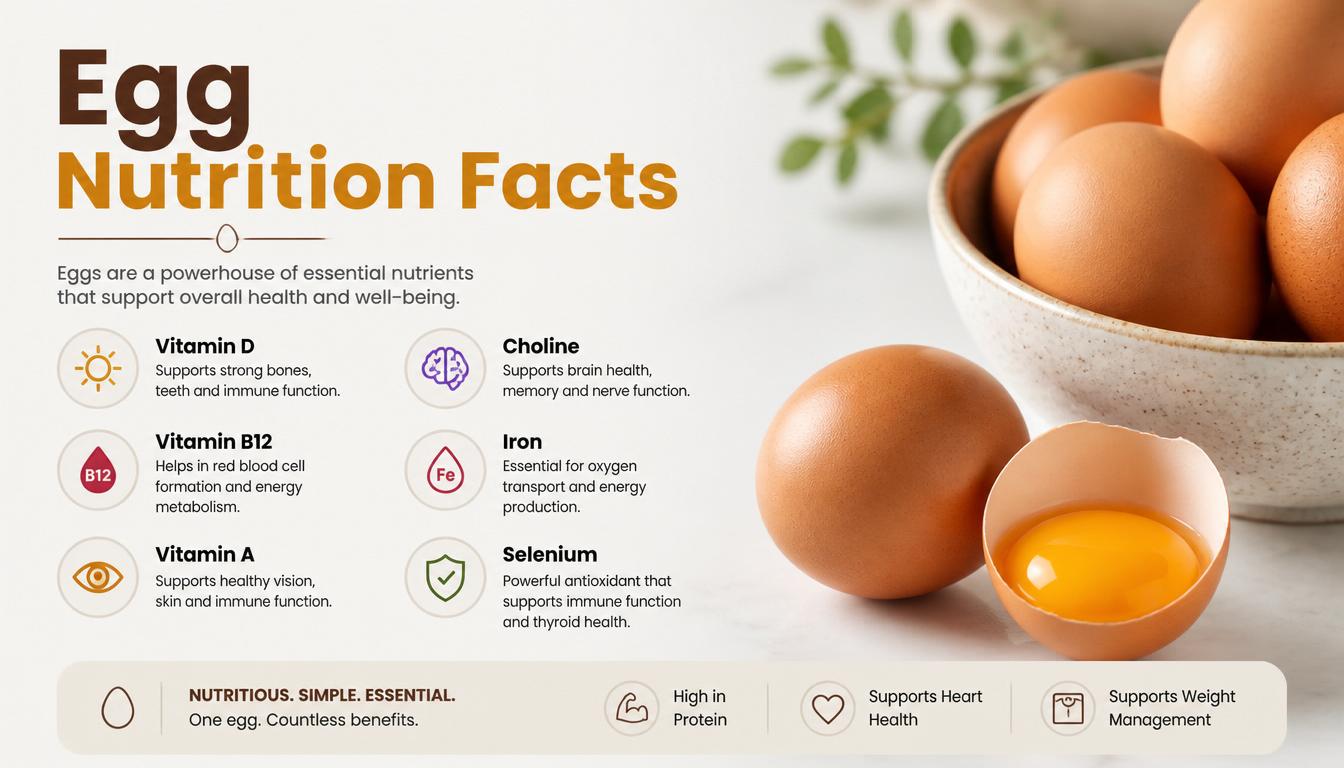
Eggs provide more than just protein—they are rich in essential nutrients:
Vitamin B12 – Helps with nerve function and the production of red blood cells
Vitamin D – Helps support strong and healthy bones
Vitamin A – Supports vision and immune function
Choline – Vital for brain health
Iron and Selenium – Aid in metabolic processes and support the immune system
Most of these nutrients are found in the yolk, which is why it is often recommended to eat the whole egg unless there are specific dietary restrictions.
Protein-rich foods can help you feel full for longer and support healthy fat loss.
For detailed egg nutrition facts, check the USDA Food Database.
Eggs are extremely popular among athletes and fitness enthusiasts—and for good reason.
Many fitness enthusiasts track how much protein is in an egg because eggs offer a simple and affordable source of complete protein.

Benefits for muscle growth:
- Rich in high-quality protein
- Easily digestible
- Supports muscle recovery after workouts
- Affordable and widely available
Many people who train regularly consume 4–8 eggs per day, depending on their protein requirements and fitness goals.
👉 In reality, after a workout, eggs are often one of the easiest and most reliable ways to meet daily protein needs.
How Much Protein Is in an Egg for Weight Loss
Eggs can also play a major role in weight management.
If your goal is fat loss, knowing how much protein is in an egg can help you plan balanced and filling meals.
How eggs help with weight loss:
- High protein content keeps you full longer
- Reduces hunger and cravings
- Helps control overall calorie intake
Studies have shown that eating eggs for breakfast can lead to reduced calorie consumption throughout the day.
Read more: How to Lose Belly Fat Naturally at Home
Egg White vs Whole Egg: Which Is Better?
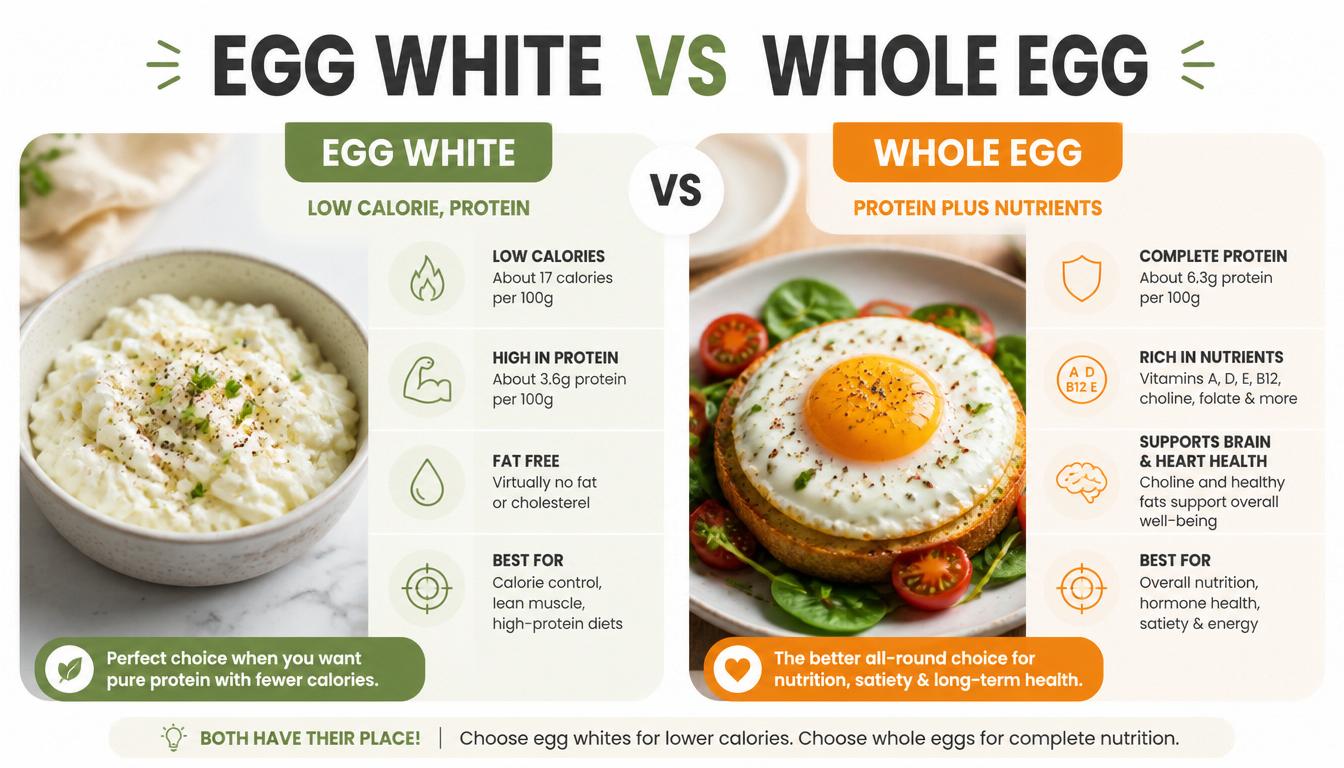
This is a common debate.
Egg Whites:
- Low in calories
- Fat-free
- Pure protein
Whole Eggs:
- Contain healthy fats
- Rich in vitamins and minerals
- More nutritionally balanced
Best approach:
- For general health: Eat whole eggs
- For strict calorie control or bodybuilding: Combine whole eggs with extra whites
How Many Eggs Should You Eat Daily?
- The ideal number varies depending on your health and goals.
- General guidelines:
Healthy adults: 1–3 eggs per day
Fitness enthusiasts: 4–8 eggs per day
Athletes/bodybuilders: Higher intake under guidance - 👉 In practice, most people find that sticking to 2–4 eggs daily is both manageable and effective for maintaining a balanced diet.
What about cholesterol?
Eggs do contain cholesterol, but recent research suggests that dietary cholesterol has less impact on blood cholesterol for most people than previously thought. Still, if you have heart-related conditions, it’s wise to consult a doctor.
For more information about cholesterol and dietary guidance, visit the American Heart Association.
Best Ways to Cook Eggs
The way you cook eggs affects their calorie content and health benefits.
Healthiest options:
- Boiled eggs
- Poached eggs
- Scrambled with minimal oil
Less ideal:
- Fried eggs (due to added oil or butter)
Protein content remains the same, but cooking methods can increase calories.
Can You Eat Raw Eggs?
Some people consume raw eggs, especially in fitness culture, but this is not recommended.
Risks of raw eggs:
- Bacterial infection (Salmonella)
- Lower protein absorption
Cooking eggs improves protein digestibility and ensures safety.
Brown Eggs vs White Eggs
There is a common myth that brown eggs are healthier than white eggs.
Reality:
- Nutritional value is almost identical
- The difference is due to the breed of the chicken
Choose eggs based on freshness and quality, not color.
Egg Protein vs Other Protein Sources
Here’s a quick comparison:
- 1 egg: ~6–7g protein
- 100g chicken breast: ~25–30g protein
- 1 glass milk: ~8g protein
- 1 scoop whey protein: ~20–25g protein
Eggs are a great natural protein source, but for higher protein needs, combining multiple sources is ideal.
Best Time to Eat Eggs
You can eat eggs at any time, but some timings are more effective:
- Breakfast: Keeps you full and energized
- Post-workout: Helps muscle recovery
- Evening snack: Prevents unhealthy snacking
- Read more: The 10 Best Foods for Energy All Day
Are Eggs Safe for Everyone?
Eggs are generally safe for most people, but caution is needed if you have:
- Egg allergies
- High cholesterol issues
- Specific medical conditions
Always consult a healthcare professional if unsure.
👉 In most everyday cases, eggs fit easily into a healthy diet—but it’s always better to be cautious if you have specific health concerns.
FAQs: How Much Protein Is in an Egg
Item #1
1. How much protein is in 2 eggs?
Two eggs contain approximately 12–14 grams of protein.
Item #2
2. Is egg protein better than plant protein?
Egg protein is considered higher quality because it contains all essential amino acids in ideal proportions.
Item #3
3. Can I eat eggs every day?
Yes, most healthy people can eat eggs daily in moderate amounts.
Item #4
4. Are egg whites healthier than whole eggs?
Egg whites are lower in calories, but whole eggs provide more complete nutrition.
Item #5
5. Do eggs help in muscle gain?
Yes, eggs are excellent for muscle growth due to their high-quality protein content.
Item #6
6. How many eggs should I eat after a workout?
Typically 2–4 eggs (or more depending on your protein needs) can support recovery.
Item #7
7. Do eggs increase cholesterol?
For most people, eggs have minimal impact on blood cholesterol, but individual responses may vary.
Final Thoughts
Eggs are one of the simplest and most effective ways to boost your protein intake. With 6–7 grams of high-quality protein per egg, they support muscle growth, weight management, and overall health.
Instead of overcomplicating your diet, adding a few eggs daily can make a noticeable difference. Just remember to balance your meals with other nutrient-rich foods.
Call to Action (CTA)
If you want, I can create a personalized diet plan based on your goal—whether it’s muscle gain, fat loss, or general fitness. Just tell me:
👉 Your goal (weight loss, muscle gain, etc.)
👉 Your age, weight, and activity level
and I’ll design a plan tailored specifically for you.