

Table of Contents
Introduction
How Sleep Affects Weight Loss is something many people overlook during their fitness journey.
You might know someone—or maybe even be that person—who follows a healthy diet, exercises regularly, and still struggles to lose weight. It can be frustrating when all that hard work doesn’t seem to produce results. Often, the missing piece of the puzzle is quality sleep.
Have you ever followed a diet plan, reduced junk food, and even started exercising, but still struggled to lose weight?
You’re not alone. Many people focus only on food and exercise while ignoring one important factor: sleep. Between office stress, household responsibilities, family commitments, late-night scrolling, and emotional eating, getting enough sleep often becomes difficult. In India and around the world, millions of people sacrifice sleep to keep up with busy schedules.
What most people don’t realize is that How Sleep Affects Weight Loss is backed by science. Your body performs essential functions while you sleep, including hormone regulation, muscle recovery, and metabolism support. Understanding How Sleep Affects Weight Loss can help you make smarter decisions and achieve better results.
How Sleep Affects Weight Loss Through Hunger Hormones
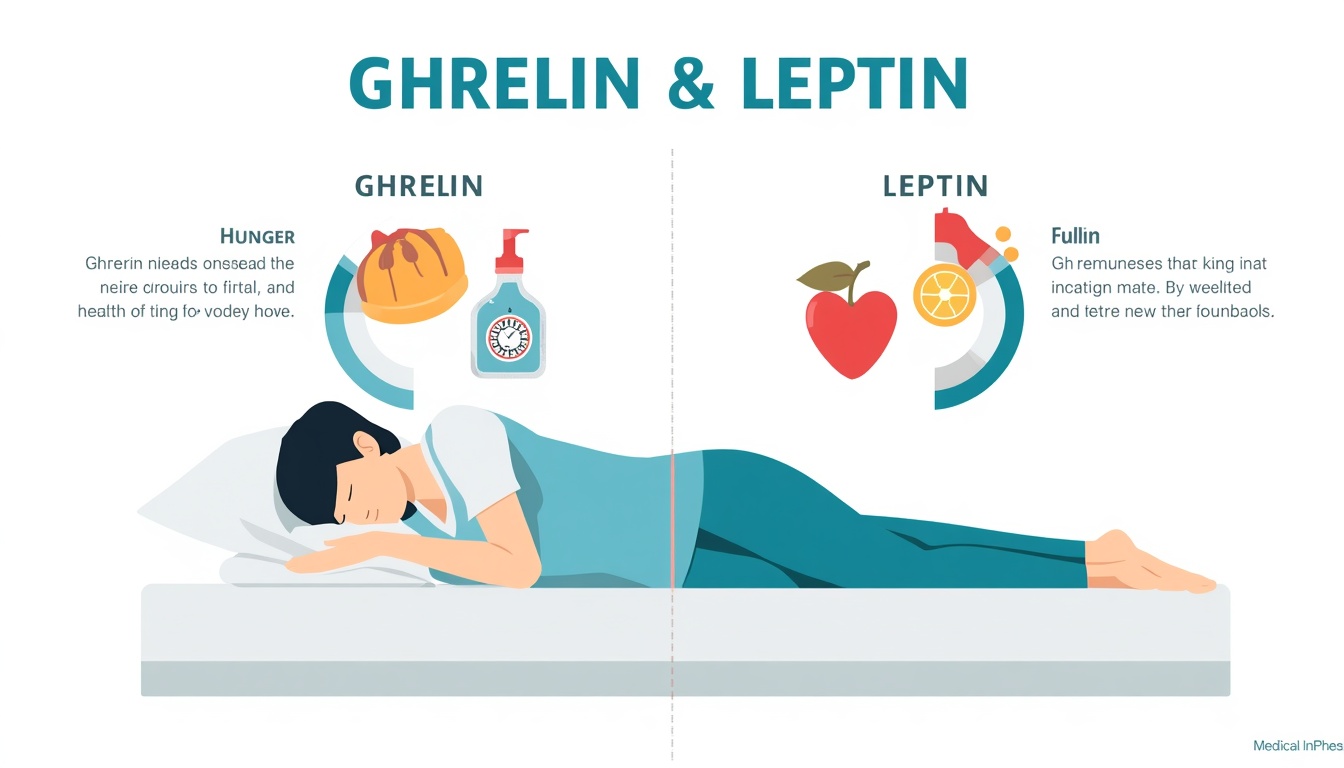
One of the most important ways How Sleep Affects Weight Loss is through the hormones that control hunger and fullness.
When you don’t get enough sleep, your body produces more ghrelin, the hormone responsible for making you feel hungry. At the same time, levels of leptin, the hormone that signals fullness, decrease.
Because of this imbalance, you may:
- Feel hungry more often
- Eat larger portions
- Crave sugary foods
- Snack late at night
This is one of the clearest examples of How Sleep Affects Weight Loss and why sleep should never be overlooked.
How Sleep Affects Weight Loss and Metabolism
What many people don’t realize is that sleep affects far more than just energy levels. It also plays a major role in how efficiently your body burns and stores calories.
Your metabolism determines how efficiently your body converts food into energy. Poor sleep can reduce insulin sensitivity and make it harder for your body to process glucose effectively.
Even if you’re eating the same foods and following the same routine, poor sleep can quietly make weight loss more difficult than it needs to be.
Research highlighted by the Centers for Disease Control and Prevention (CDC) shows that insufficient sleep can affect overall health, including weight management.
Why Poor Sleep Increases Cravings
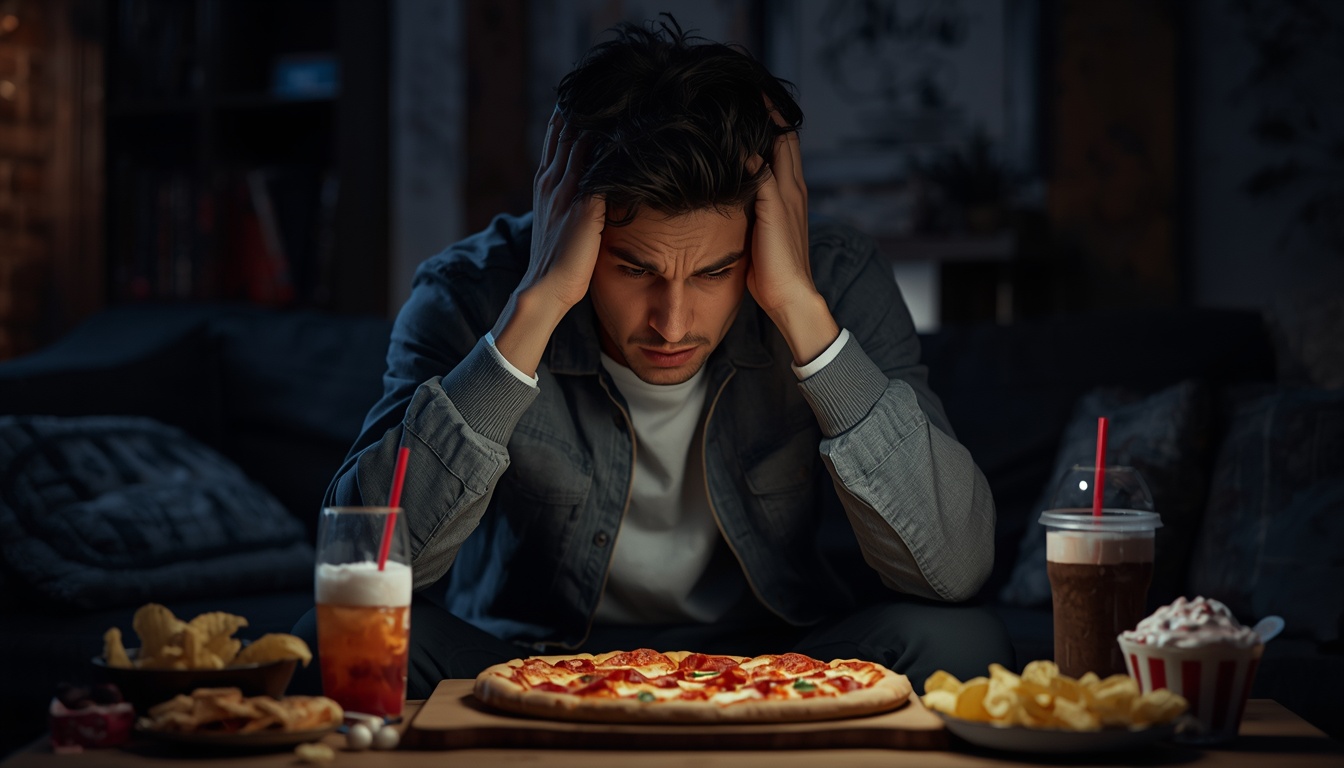
Have you ever noticed that unhealthy foods seem more tempting after a poor night’s sleep?
That’s because sleep deprivation affects the brain’s reward system. Understanding How Sleep Affects Weight Loss becomes easier when you realize that lack of sleep can increase cravings for:
- Chocolate
- Ice cream
- Chips
- Fried foods
- Sugary drinks
In India, this may mean reaching for samosas, sweets, or late-night snacks. Globally, it could mean pizza, burgers, or processed foods.
How Sleep Affects Weight Loss and Emotional Eating
Honestly, this is where many people struggle without realizing it. A stressful day combined with poor sleep can make comfort food much harder to resist.
When you’re tired, your ability to manage stress decreases. Small problems feel bigger, emotions become harder to control, and comfort food becomes more appealing.
Another important aspect of How Sleep Affects Weight Loss is that sleep deprivation often leads to stress-related overeating, which can significantly increase calorie intake.
Can Better Sleep Help Burn Fat?

Yes, it can.
Most people think weight loss happens only through diet and exercise. In reality, your body also performs important recovery and repair work while you sleep.
Quality sleep helps:
- Balance hormones
- Improve workout recovery
- Increase energy levels
- Support muscle growth
- Reduce unnecessary cravings
The better your sleep quality, the easier it becomes to maintain healthy habits.
What Is the Best Sleep Duration for Weight Loss?
Featured Snippet
What is the best sleep duration for weight loss?
Most adults should aim for 7–9 hours of quality sleep per night, as recommended by the National Sleep Foundation. Research suggests that getting consistent sleep within this range supports metabolism, hormone balance, and appetite control, all of which play an important role in healthy weight management.
Signs That Poor Sleep Is Affecting Your Weight
These warning signs often reveal How Sleep Affects Weight Loss more than many people realize:
- Constant fatigue
- Increased hunger
- Sugar cravings
- Mood swings
- Difficulty losing weight
- Low energy levels
- Frequent late-night snacking
If these symptoms sound familiar, improving sleep may help.
Practical Tips to Improve Sleep for Weight Loss
If you want to improve How Sleep Affects Weight Loss, start with these simple habits:
1. Follow a Consistent Sleep Schedule
Go to bed and wake up at the same time every day.
2. Limit Screen Time Before Bed
Reduce mobile phone and TV usage at least 30–60 minutes before sleeping.
3. Avoid Heavy Late-Night Meals
Eating large meals close to bedtime can affect sleep quality.
4. Reduce Caffeine Intake
Limit tea, coffee, and energy drinks later in the day.
5. Create a Relaxing Bedtime Routine
Reading, meditation, or light stretching can help prepare your body for sleep.
Planning healthy meals in advance can make it easier to maintain healthy eating habits and support your weight-loss goals.
Common Mistakes People Make
Ignoring How Sleep Affects Weight Loss is one of the most common mistakes people make during their weight-loss journey.
Other common mistakes include:
- Staying up late regularly
- Relying on weekend catch-up sleep
- Excessive caffeine consumption
- Using screens until bedtime
- Skipping recovery days
Benefits of Understanding How Sleep Affects Weight Loss
Once you start sleeping better, the benefits often extend beyond weight loss. Many people notice improved energy, better focus, and fewer cravings throughout the day.
Physical Benefits
- Better metabolism
- Reduced cravings
- Improved energy
- Better workout performance
- Enhanced recovery
Emotional Benefits
- Improved mood
- Better focus
- Reduced stress
- Less emotional eating
- Greater motivation
Conclusion
Now that you understand How Sleep Affects Weight Loss, it’s clear that sleep is much more than just rest. It directly influences hunger, metabolism, cravings, energy levels, and overall health.
Many people spend months focusing only on diets and workouts while ignoring one of the most powerful tools available. By improving your sleep habits, you can support your weight-loss goals in a natural and sustainable way.
Remember, small changes matter. Going to bed a little earlier, reducing screen time, and maintaining a consistent sleep schedule can make a noticeable difference over time.
FAQs
Item #1
Why is understanding How Sleep Affects Weight Loss important?
Understanding How Sleep Affects Weight Loss can help you control cravings, improve metabolism, and support healthy eating habits.
Item #2
Can poor sleep cause weight gain?
Yes. Poor sleep can increase hunger hormones and cravings, leading to weight gain over time.
Item #3
How many hours should I sleep to lose weight?
Most adults should aim for 7–9 hours of quality sleep every night.
Item #4
Can better sleep reduce belly fat?
Better sleep supports hormone balance and metabolism, which may contribute to overall fat loss.
Item #5
Does sleeping more help with weight loss?
Getting enough sleep can support weight loss by regulating hunger hormones, reducing cravings, and improving energy levels. However, sleep works best when combined with a healthy diet and regular physical activity.
Item #6
Why do I crave unhealthy foods when I am tired?
Lack of sleep can affect the hormones that control hunger and fullness. It can also increase the brain’s desire for high-calorie foods, making sugary snacks and processed foods more tempting when you’re tired.