
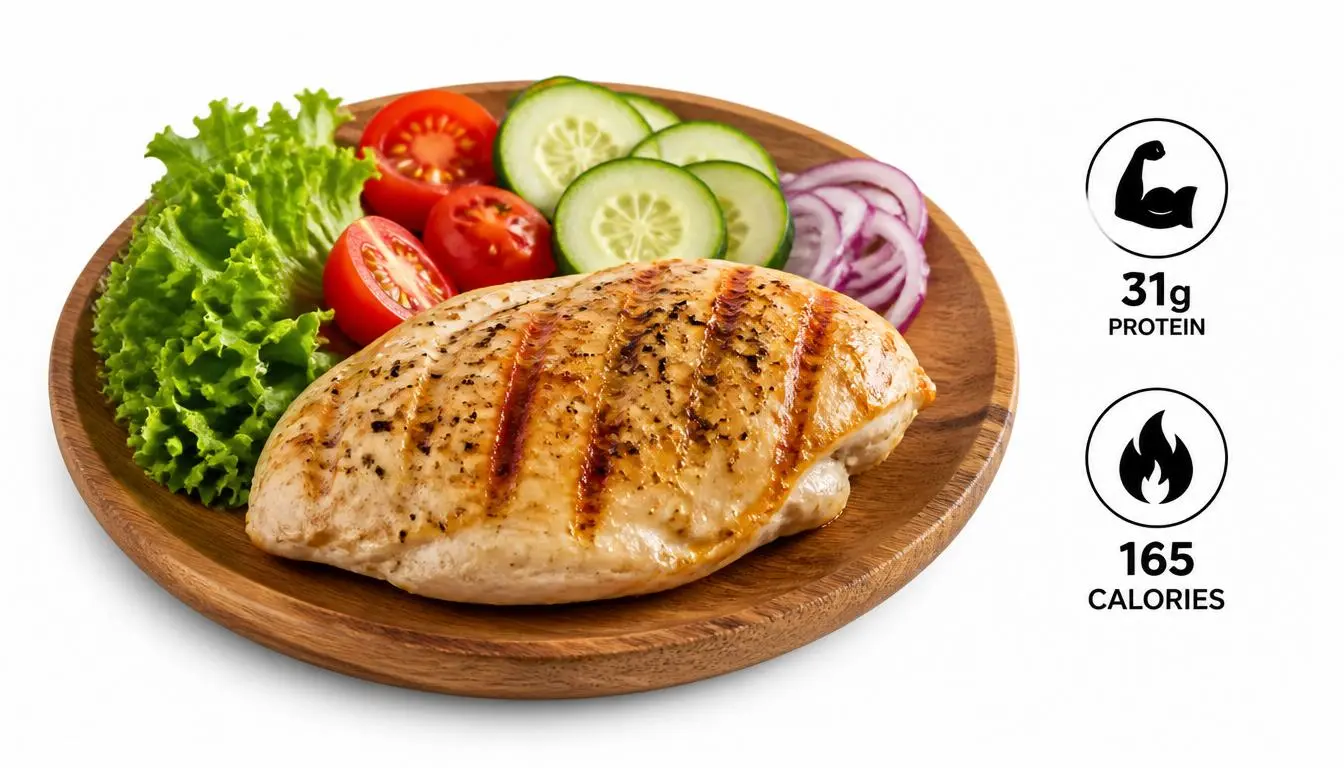
Protein in 100g Chicken Breast Cooked is a common search for people who want to eat healthier, build muscle, or improve their daily nutrition. After a long day of office work, household responsibilities, and busy schedules, many people find it difficult to prepare meals that are healthy and satisfying.
Many people start their fitness journey with motivation but soon get confused about simple questions like “Am I eating enough protein?” or “Which foods actually support my goals?” The good part is that healthy eating does not have to be complicated. Chicken breast is a simple, affordable, and high-quality protein source that fits easily into everyday meals.
Whether you are trying to lose weight, build muscle, or maintain a balanced diet, understanding Protein in 100g Chicken Breast Cooked can help you make smarter food choices. If you are also comparing different protein foods, check out our guide on Egg Protein vs Chicken Protein: Which Is Better?
Table of Contents
Protein in 100g Chicken Breast Cooked: Nutrition Facts
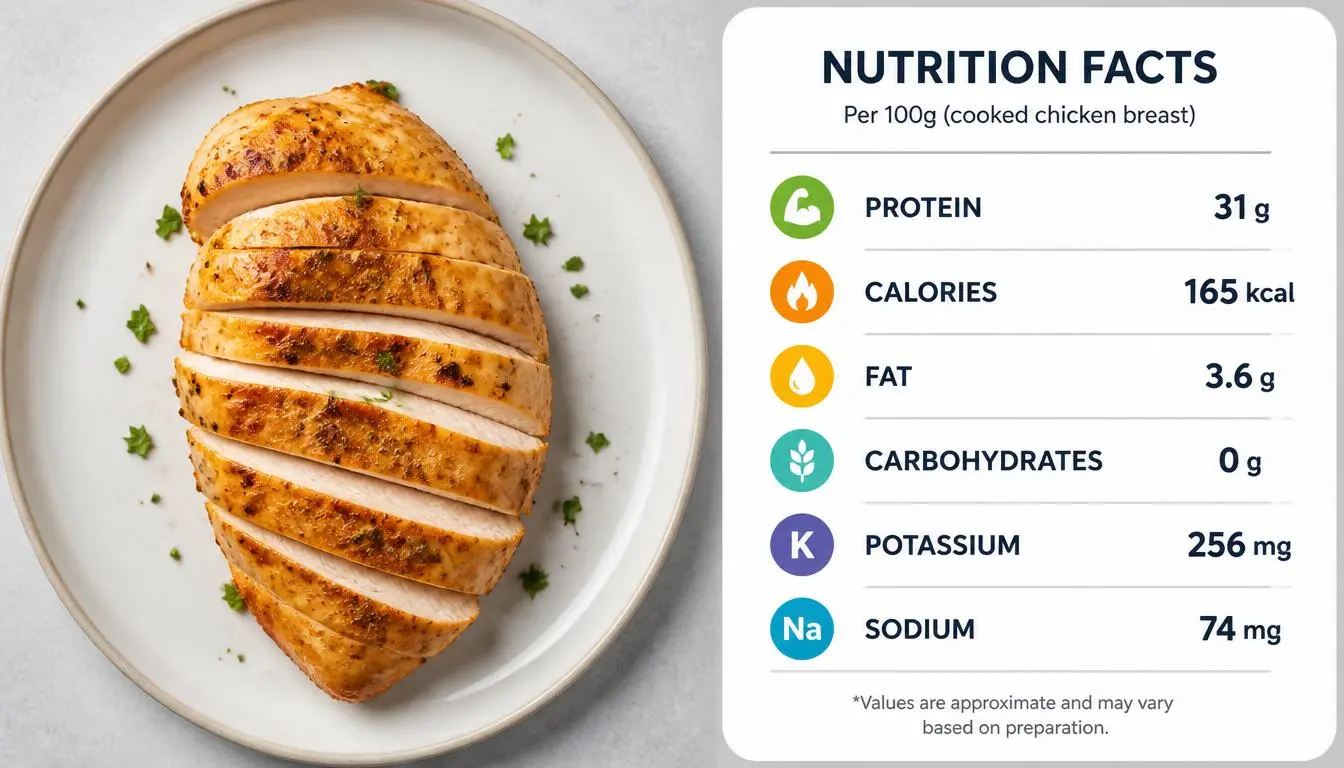
A 100g serving of cooked, skinless chicken breast provides approximately:
Nutrient | Amount (100g) |
Calories | 165 kcal |
Protein | 31g |
Fat | 3.6g |
Carbohydrates | 0g |
Fiber | 0g |
Sugar | 0g |
Sodium | 74mg |
Potassium | 256mg |
The biggest reason chicken breast is considered a high-protein food is its excellent protein-to-calorie ratio. You get a large amount of protein without adding many calories or carbohydrates.
For people tracking their nutrition, Protein in 100g Chicken Breast Cooked is an easy measurement to understand because most meal plans use cooked food weight.
The nutrition values presented above are based on data from the USDA FoodData Central, one of the most trusted nutrition databases for food composition.
Why Is Chicken Breast High in Protein?
Chicken breast is made mostly of lean muscle tissue, which naturally contains complete protein. Complete proteins provide all nine essential amino acids that your body cannot produce on its own.
These amino acids help with:
- Muscle repair
- Recovery after exercise
- Maintaining lean body mass
- Supporting metabolism
- Building important body tissues
Honestly, many beginners think they need expensive supplements to increase protein intake. In reality, a balanced diet with foods like chicken breast, eggs, fish, dairy, beans, and lentils can provide excellent nutrition.
According to the Harvard T.H. Chan School of Public Health, protein plays an important role in building muscles, repairing tissues, and supporting overall health.
Protein in 100g Chicken Breast Cooked for Muscle Building
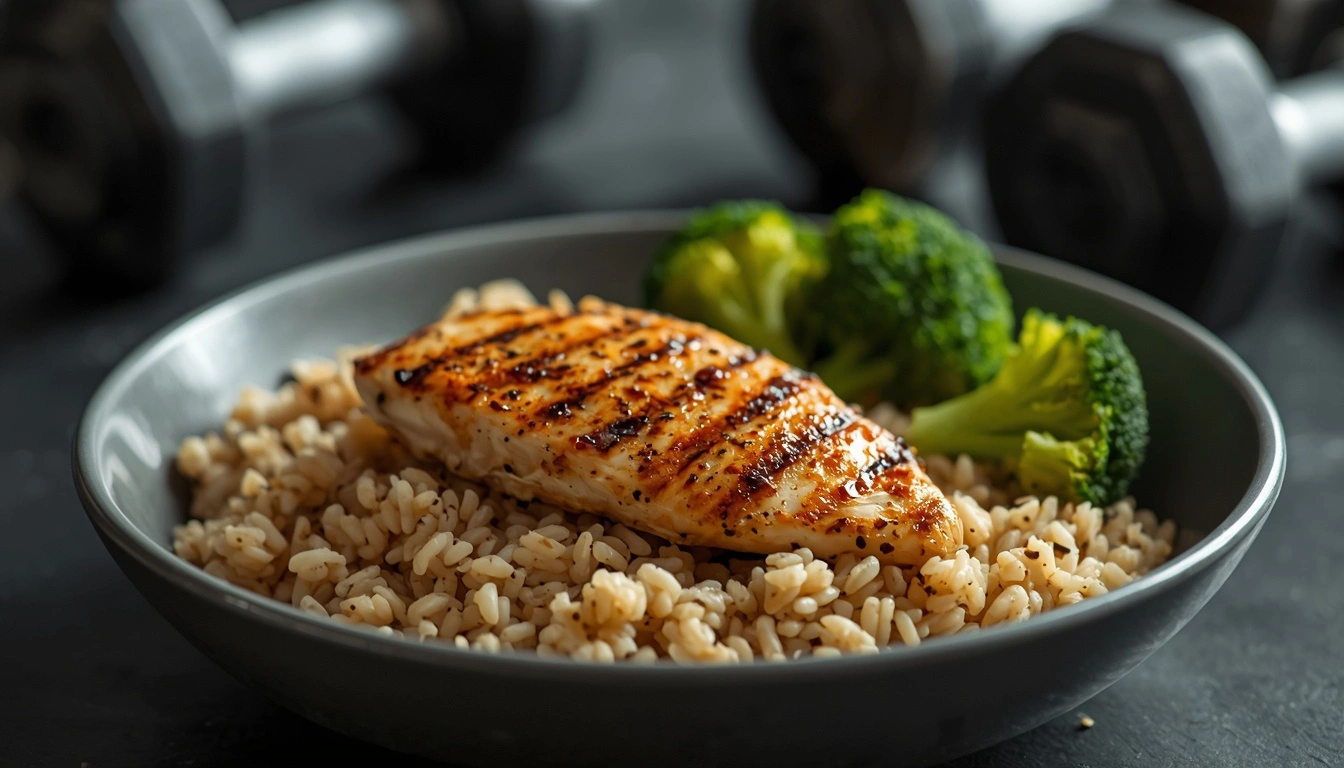
If you are trying to build muscle, protein intake becomes one of the most important parts of your diet.
Around 31 grams of protein in 100g cooked chicken breast makes it a convenient post-workout meal option. Combined with strength training, enough sleep, and proper calories, chicken breast can support muscle recovery and growth.
Many gym-goers prepare chicken breast with rice, vegetables, or whole grains after training because it provides both protein and energy.
You can also combine chicken with other high-protein foods using our 15 High Protein Recipes for Weight Loss guide.The good part is that you do not need to make every meal complicated. Consistency matters more than perfection.
Protein in 100g Chicken Breast Cooked for Weight Loss
For weight loss, chicken breast is one of the most practical protein choices.
High-protein foods can help you:
- Feel full for longer.
- Reduce unnecessary cravings.
- Maintain muscle during fat loss.
- Control daily calorie intake.
Think about a busy weekday. You finish work late, feel tired, and suddenly want something fried or sugary. A protein-rich meal can help reduce those situations because it keeps you satisfied.
Many people in India replace high-calorie snacks with grilled chicken, vegetables, and a small portion of rice or roti. This simple change can make a big difference over time.
Pairing chicken with healthy breakfast meals can make weight loss easier. See our guide on Best Thing to Eat for Breakfast to Lose Weight.
Calories in 100g Cooked Chicken Breast
Apart from protein, calories are another important factor.
A 100g serving of cooked chicken breast contains approximately 165 calories.
However, calories can change depending on preparation methods:
Cooking Method | Approximate Calories |
Boiled | 165 kcal |
Grilled | 165–170 kcal |
Baked | 170 kcal |
Air Fried | 170–180 kcal |
Deep Fried | 250+ kcal |
What most people don’t realize is that extra oil, sauces, and frying methods usually increase calories more than the chicken itself.
Egg Protein vs Chicken Protein: Which Is Better?
Chicken breast generally provides more protein per 100g with fewer calories and less fat compared with eggs. Eggs are also highly nutritious because they contain healthy fats, vitamins, and minerals. Both are excellent protein sources, and the better choice depends on your personal nutrition goals.
If you eat eggs regularly, you may also like our guide on How Much Protein Is in 2 Eggs Scrambled?
Health Benefits of Chicken Breast Protein
Supports Muscle Recovery
Protein helps repair muscle tissues after workouts and daily activities.
Helps With Weight Management
A high-protein meal can help you stay full and manage hunger more effectively.
Supports Active Lifestyle
Whether you go to the gym, play sports, or simply stay physically active, protein helps your body recover.
Easy Meal Option
Chicken breast can be added to:
- Salads
- Rice bowls
- Wraps
- Sandwiches
- Soups
- Pasta dishes
In many households, especially among fitness-focused families, preparing chicken in advance saves time during busy weekdays.
How Much Chicken Breast Should You Eat Daily?
Your daily protein requirement depends on your body weight, activity level, and fitness goals.
General guidelines:
- Less active adults: Around 0.8g protein per kg body weight
- Active individuals: Around 1.2–1.6g per kg
- Strength training individuals: Around 1.6–2.2g per kg
A single serving containing Protein in 100g Chicken Breast Cooked can contribute a significant amount toward your daily protein target.
Daily protein requirements vary based on age, activity level, and health goals. The Dietary Guidelines for Americans recommend including lean protein foods as part of a healthy eating pattern.
Best Ways to Cook Chicken Breast
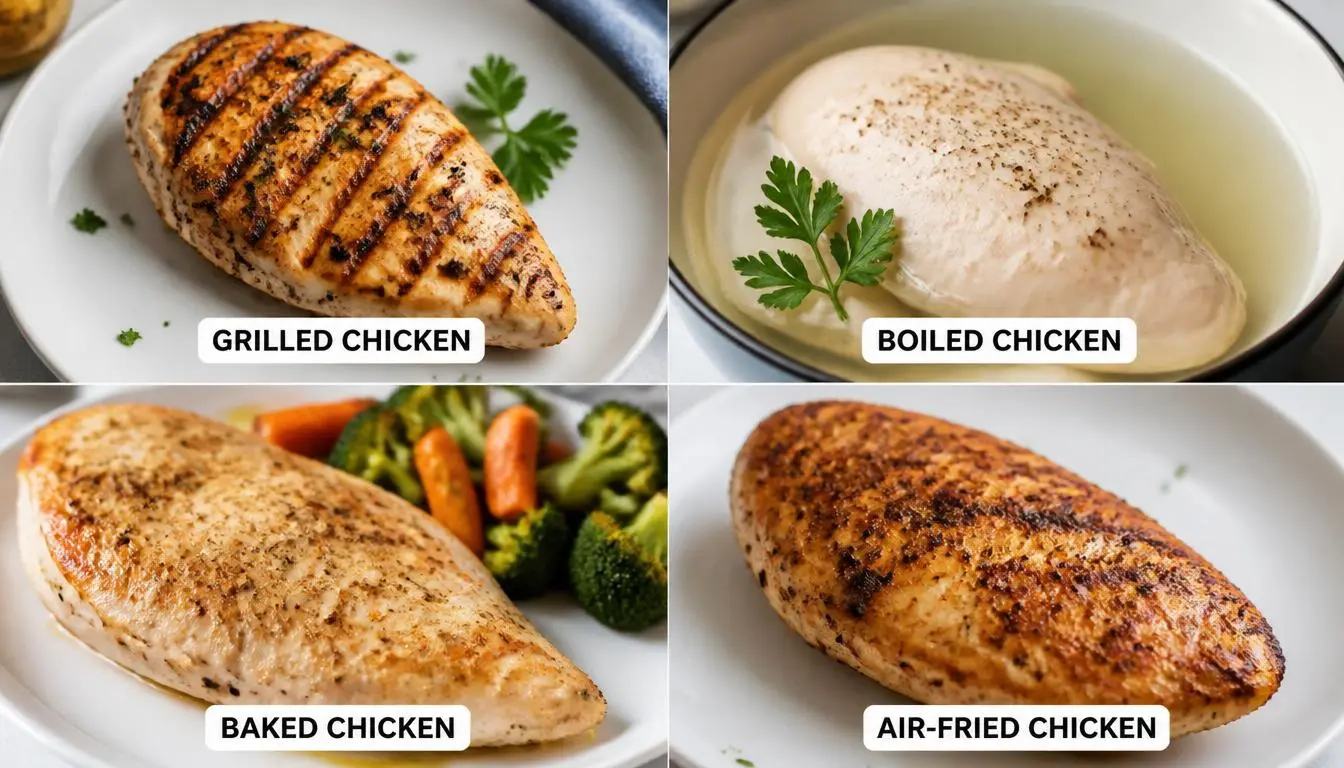
Healthy cooking methods include:
Grilling
Adds flavor while keeping calories controlled.
Baking
A simple option for meal preparation.
Boiling
Easy and requires minimal oil.
Air Frying
Provides a crispy texture with less added fat.
Using spices like garlic, ginger, black pepper, turmeric, paprika, and lemon can improve taste without adding unnecessary calories.
In many Indian homes, people prepare chicken in larger portions on weekends and use leftovers for quick meals during the week. This small habit can save time and make healthy eating easier.
Practical Tips to Increase Protein Intake
- Choose skinless chicken breast for lower fat.
- Measure cooked portions when tracking nutrition.
- Pair chicken with vegetables for a balanced meal.
- Prepare meals in advance for busy days.
- Avoid adding too much oil or creamy sauces.
- Store cooked chicken properly.
- Include other protein sources throughout the week.
- Eggs are another excellent source of high-quality protein. If you want to learn more, read our detailed guide on How Much Protein Is in an Egg?
Common Mistakes People Make
Many beginners reduce the benefits of chicken breast because of simple mistakes.
Common examples include:
- Deep frying chicken regularly
- Adding too many high-calorie sauces
- Eating protein only after workouts
- Ignoring vegetables and fiber
- Overcooking chicken until it becomes dry
- Depending only on one protein source
A balanced approach always works better than extreme dieting.
Is Chicken Breast Good for Everyday Eating?
Yes, chicken breast can be part of a healthy daily diet for most people.
However, variety is important. Include different protein sources such as:
- Eggs
- Fish
- Lentils
- Beans
- Paneer
- Tofu
- Greek yogurt
Eating a variety of foods helps provide different nutrients and keeps your meals enjoyable.
If eggs are one of your regular protein sources, you may also like our guide on How Much Protein Is in 4 Eggs? Nutrition Facts & Benefits (2026) to learn about their protein content and nutritional value.
Conclusion
Protein in 100g Chicken Breast Cooked makes chicken breast one of the most reliable choices for people looking to increase protein intake. With around 31g protein and only about 165 calories, it supports muscle growth, weight management, and overall nutrition.
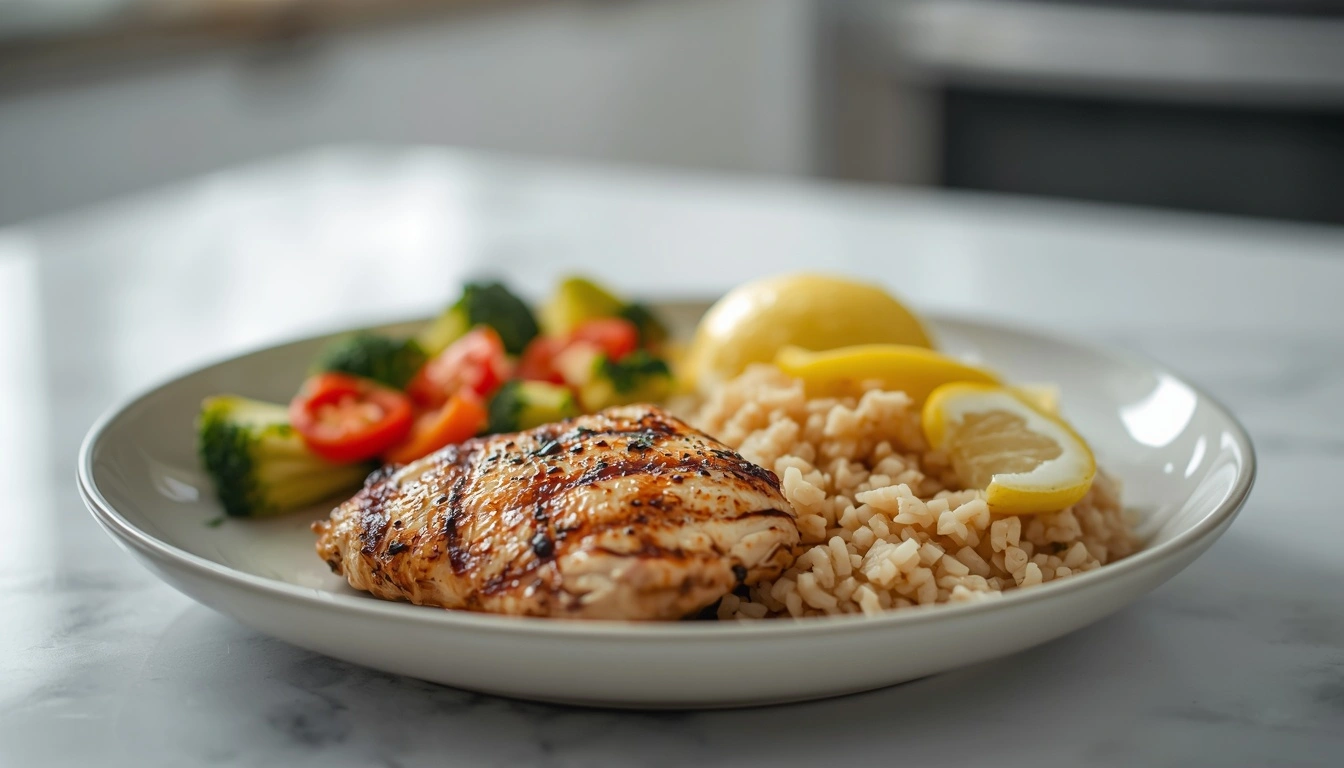
Healthy eating does not need to be complicated. A simple meal with grilled chicken breast, vegetables, rice, or roti can be a practical option for busy lifestyles.
Focus on small habits that fit your lifestyle and are easy to maintain. A consistent approach will always work better than following a strict plan that you cannot continue.
If this guide helped you understand chicken breast nutrition better, share it with someone who is also trying to make smarter food choices.
Frequently Asked Questions (FAQs)
Item #1
How much protein is in 100g chicken breast cooked?
Protein in 100g Chicken Breast Cooked is approximately 31 grams. It is one of the best lean protein sources because it provides high protein with relatively low calories.
Item #2
How many calories are in 100g cooked chicken breast?
A 100g serving of cooked chicken breast contains around 165 calories, depending on the cooking method.
Item #3
Is chicken breast good for weight loss?
Yes, chicken breast is high in protein and low in calories, which can help with fullness and calorie control during weight loss.
Item #4
Is chicken breast better than eggs for protein?
Chicken breast provides more protein per 100g, while eggs offer additional nutrients like healthy fats and vitamins. Both can be included in a balanced diet.
Item #5
Does cooking reduce protein in chicken breast?
Cooking mainly reduces water content. The total protein remains mostly unchanged, although the weight of the chicken decreases.
Item #6
Can I eat chicken breast every day?
Yes, most healthy adults can include chicken breast regularly while maintaining a balanced diet with different food sources.
Item #7
How much chicken breast should I eat after a workout?
A serving of 100g chicken breast can provide around 31g protein, which is enough for many people after exercise, depending on their total daily protein needs.