
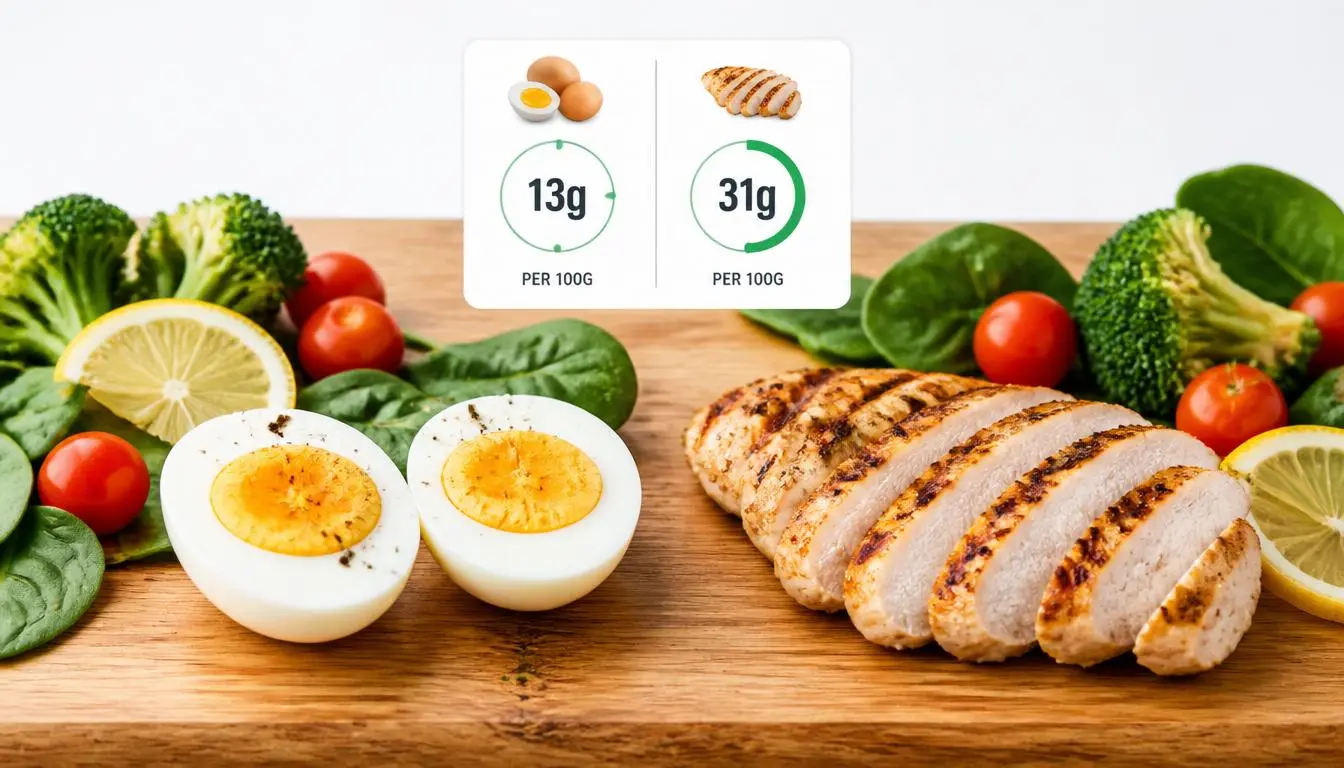
If you’ve ever wondered whether egg protein or chicken protein is better, you’re not alone. Many people face this question while trying to eat healthier, lose weight, or build muscle.
With busy lifestyles, choosing the right protein often becomes confusing. Eggs and chicken are both affordable, popular, and rich in high-quality protein, but they work slightly differently in the body. If you’re curious about how much protein eggs actually contain, read our guide on How Much Protein Is in 2 Eggs Scrambled?
The truth is simple: chicken offers more protein per serving, while eggs provide important nutrients like vitamin D and choline.
In this guide, we’ll compare both in terms of nutrition, muscle gain, weight loss, and overall health benefits so you can make the right choice for your goals.
Table of Contents
Egg Protein vs Chicken Protein: Which Is Better?
Egg Protein vs Chicken Protein: Which Is Better? Both are complete protein sources, but the better choice depends on your goal. Chicken breast provides more protein with less fat, making it ideal for muscle building and calorie-controlled diets. Eggs provide complete protein along with nutrients like choline, vitamin D, and healthy fats, making them an excellent everyday food.
Why Protein Matters More Than You Think
Protein isn’t just for athletes or bodybuilders. Your body needs it every day to:
- Build and repair muscles
- Support healthy bones
- Produce enzymes and hormones
- Maintain healthy skin and hair
- Strengthen the immune system
- Keep you feeling full for longer
If breakfast is only tea and biscuits, hunger often returns before lunchtime. A protein-rich meal, such as boiled eggs or grilled chicken with vegetables and whole grains, usually keeps you satisfied for much longer.
What most people don’t realize is that protein isn’t only about muscle growth. It also supports recovery, steady energy levels, and healthier eating habits.
That’s why experts recommend including a quality protein source in every main meal.
Egg Protein vs Chicken Protein: A Quick Nutrition Comparison
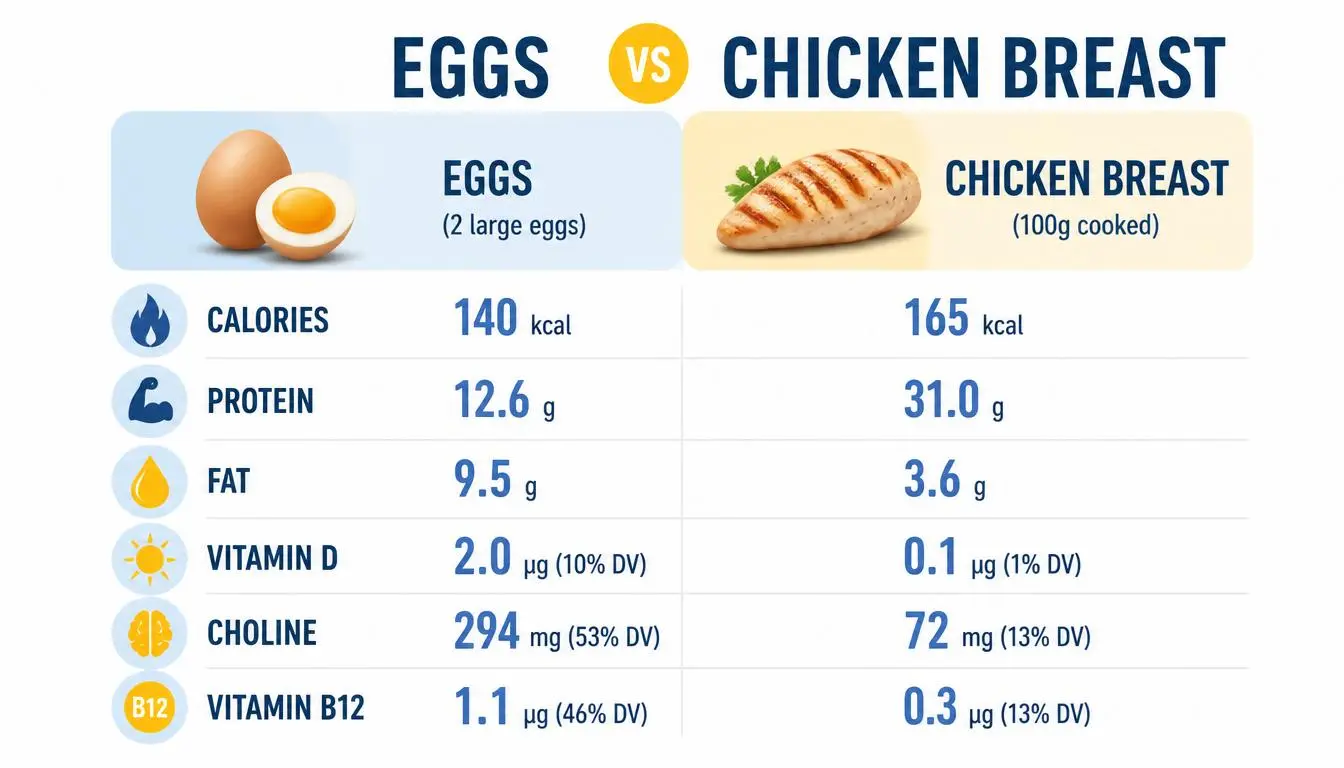
Before deciding which protein source is better, let’s compare the nutrition.
Nutrient (Approx.) | 2 Large Eggs | 100g Skinless Chicken Breast |
Calories | 140–155 kcal | 165 kcal |
Protein | 12–13 g | 31 g |
Fat | 10–11 g | 3–4 g |
Carbohydrates | Less than 1 g | 0 g |
Vitamin D | Good source | Very little |
Choline | Excellent | Moderate |
Vitamin B12 | Good | Excellent |
If you stopped reading at the protein numbers, you’d probably choose chicken immediately. But nutrition isn’t a competition based on a single number. Vitamins, minerals, healthy fats, and how a food fits into your daily routine matter just as much. That’s where eggs stand out. Along with high-quality protein, they naturally provide nutrients like vitamin D and choline that support bone health, brain function, and overall well-being.
The comparison becomes even more interesting when we look at muscle gain, weight loss, protein quality, and overall health benefits.
If you’re also curious about the calorie content of scrambled eggs, read our guide on How Many Calories in 2 Scrambled Eggs? Complete Nutrition Facts Guide.
Egg Protein vs Chicken Protein: Which Is Better for Muscle Gain?
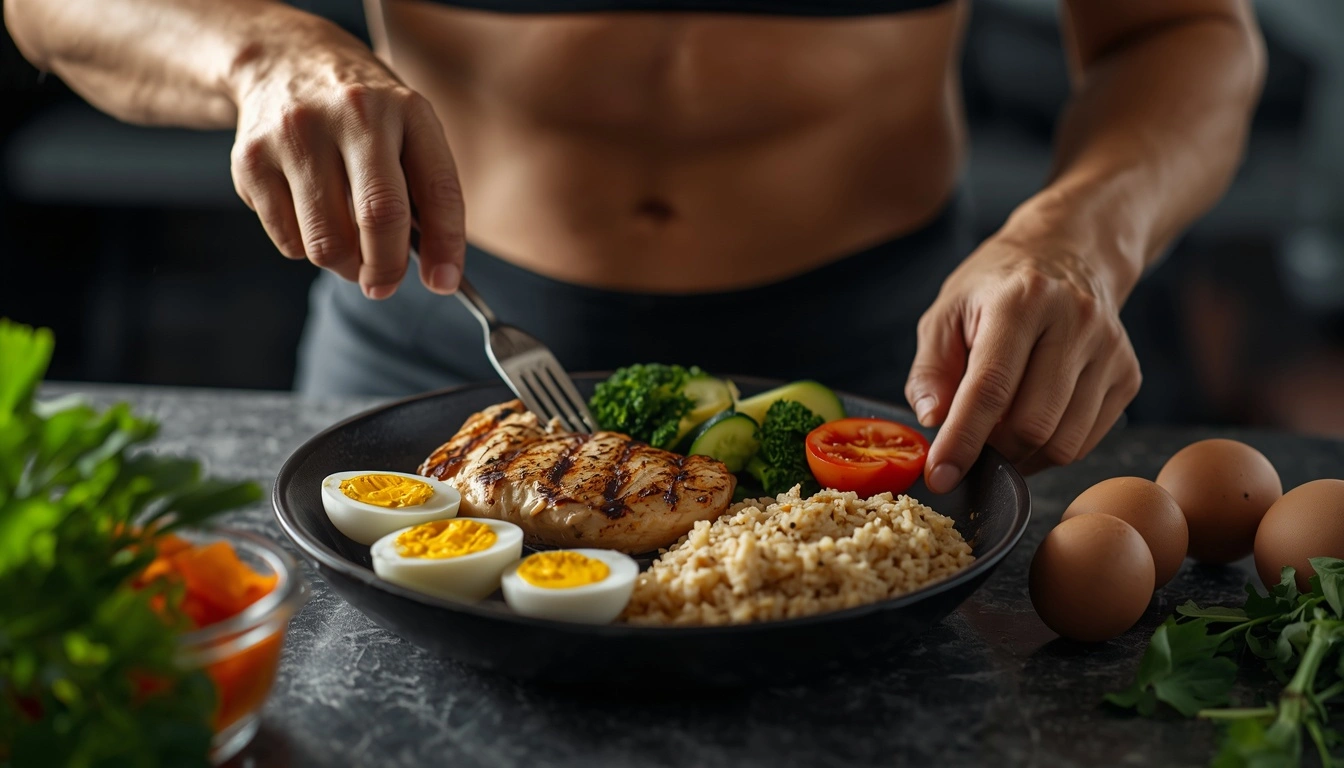
If building muscle is your goal, Egg Protein vs Chicken Protein: Which Is Better? The answer depends on your daily protein needs.
Chicken breast has an advantage because 100 grams provides around 31 grams of protein, making it easier to meet your protein target without adding too many calories.
Eggs, however, are also an excellent choice. They contain complete protein, meaning they provide all nine essential amino acids your muscles need for repair and growth. They’re also naturally rich in leucine, an amino acid that helps trigger muscle recovery after exercise.
Imagine two people starting the gym together. One eats grilled chicken every day, while the other enjoys boiled eggs for breakfast and chicken for dinner. After a few months, both can make great progress because they’re consistently eating enough quality protein.
That’s what many beginners overlook.
Building muscle depends more on consistent protein intake and regular training than choosing one protein source over another.
For muscle gain:
- Choose chicken if you want maximum protein with fewer calories.
- Choose eggs for a quick, nutrient-rich breakfast or post-workout meal.
- Choose both for the best balance of protein and nutrition.
Egg Protein vs Chicken Protein: Which Is Better for Weight Loss?
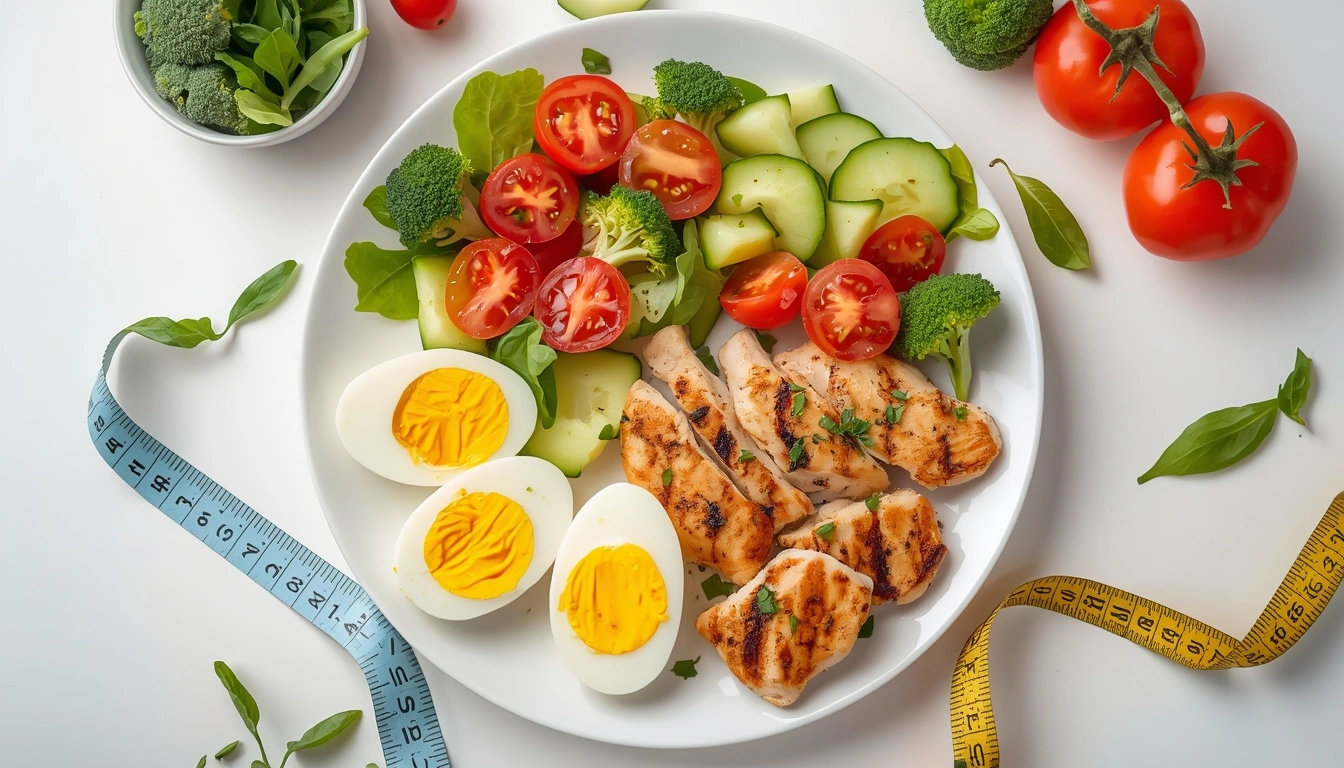
Many people avoid eggs because they contain fat, but that’s a common myth.
Eggs are naturally filling because they combine protein with healthy fats. A breakfast of boiled or poached eggs can help reduce hunger and unnecessary snacking later in the day.
If you’re wondering how much protein four eggs provide, check out our detailed guide on How Much Protein Is in 4 Eggs? Nutrition Facts & Benefits (2026).
Chicken breast is also ideal for weight loss. It’s lean, high in protein, and keeps you full while supporting a calorie-controlled diet.
The good part is that both foods can support weight loss when cooked in healthy ways.
Healthy choices
- Boiled eggs
- Poached eggs
- Grilled chicken breast
- Baked chicken
- Air-fried chicken
Less healthy choices
- Fried chicken
- Chicken burgers
- Chicken nuggets
- Eggs cooked with too much butter
- Creamy chicken dishes
Remember, how you cook your food often matters more than whether you choose eggs or chicken.
Which Protein Is Easier for Your Body to Use?
Both eggs and chicken are considered complete proteins, meaning they provide all the essential amino acids your body needs.
These amino acids help with:
- Muscle recovery
- Tissue repair
- Hormone production
- Immune health
- Overall growth
Eggs have long been regarded as one of the highest-quality protein sources because they are highly digestible and contain an excellent amino acid profile.
Chicken is equally impressive. Its lean protein is easily absorbed, making it a popular choice among athletes and active individuals.
So, if you’re asking “Egg Protein vs Chicken Protein: Which Is Better?” based on protein quality alone, the answer is simple—both are outstanding choices.
Vitamins and Minerals: Looking Beyond Protein
Protein is only one part of good nutrition.
Eggs naturally provide:
- Vitamin D for bone health
- Choline for brain function
- Vitamin A for healthy vision
- Vitamin B12 for nerve health
- Selenium for immune support
Chicken is rich in:
- Vitamin B3 (Niacin)
- Vitamin B6
- Phosphorus
- Zinc
- Selenium
This is why many nutrition experts recommend eating a variety of protein-rich foods instead of relying on only one source.
Which Is Better for Everyday Meals?
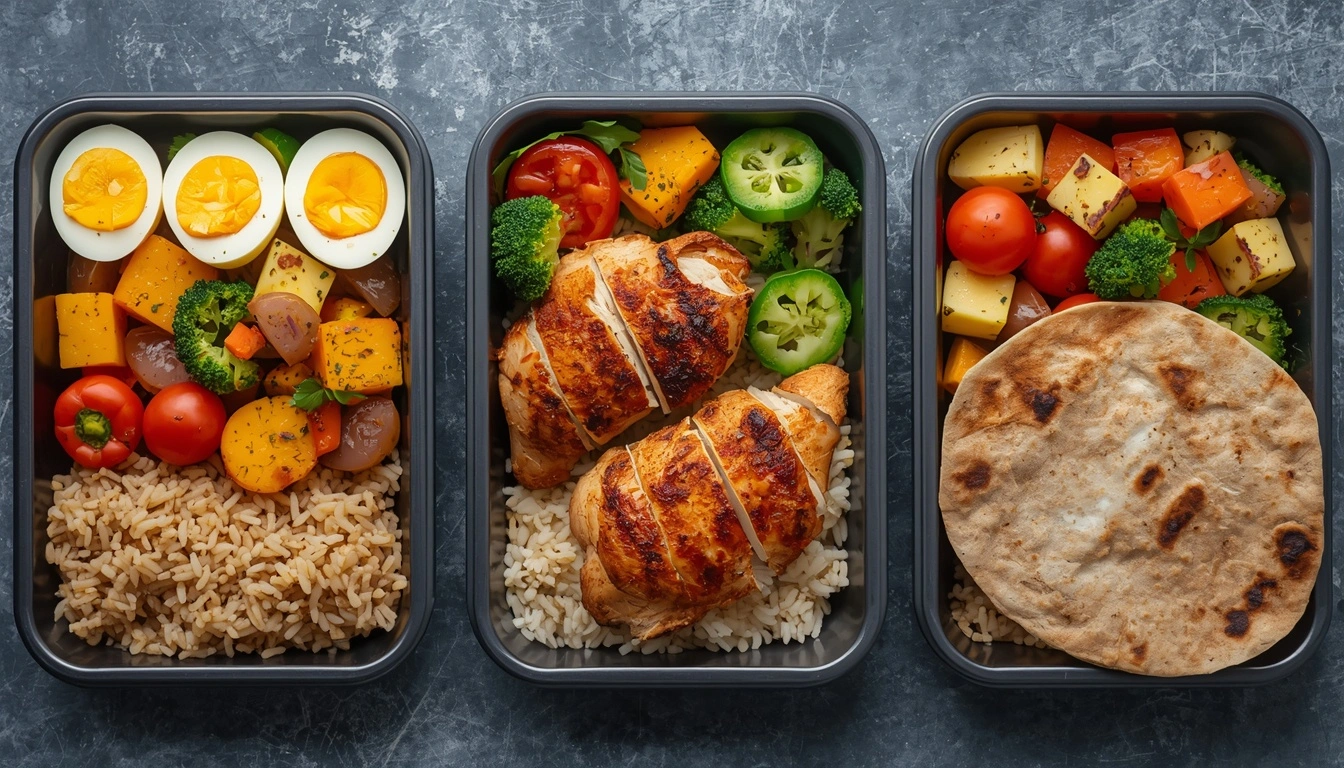
For most people, the best choice depends on lifestyle.
Choose eggs if you:
- Need a quick breakfast
- Want an affordable protein source
- Prefer meals ready in minutes
- Need a healthy snack
Choose chicken if you:
- Want more protein per serving
- Meal prep for the week
- Follow a high-protein diet
- Prefer lean protein
Honestly, you don’t have to choose one forever.
In many Indian homes, eggs are a quick breakfast, while chicken is often enjoyed for lunch or dinner. This combination adds variety, improves nutrition, and makes healthy eating easier to maintain.
A balanced diet isn’t about finding one perfect food—it’s about making consistent, healthy choices.
Benefits of Eggs and Chicken
When comparing Egg Protein vs Chicken Protein: Which Is Better?, it’s important to look beyond protein. Both foods offer unique health benefits.
Benefits of Eggs
- High-quality complete protein
- Rich in choline for brain health
- Natural source of vitamin D
- Quick and easy to prepare
- Budget-friendly
- Filling, which may help reduce snacking
Benefits of Chicken
- High protein for muscle growth and recovery
- Low in fat, especially skinless chicken breast
- Rich in B vitamins for energy production
- Easy to meal prep
- Supports healthy weight management
- Pairs well with vegetables, rice, and whole grains
Including both foods in your diet provides a balanced mix of protein and essential nutrients.
Practical Tips for Getting More Protein
Small daily habits can make a big difference.
- Include a protein source in every main meal.
- Pair eggs or chicken with vegetables and whole grains.
- Grill, bake, steam, or boil instead of deep frying.
- Prepare meals in advance if you’re busy.
- Stay hydrated throughout the day.
- Include fish, beans, lentils, and dairy for variety.
- Focus on consistency rather than perfection.
Common Mistakes to Avoid
1. Eating Too Much Fried Food
Deep-fried chicken and heavily fried eggs add unnecessary calories and unhealthy fats.
2. Ignoring Overall Diet Quality
Protein is important, but fruits, vegetables, whole grains, and healthy fats also matter.
3. Depending on Only One Protein Source
A varied diet provides a wider range of nutrients.
4. Not Eating Enough Protein
Many people debate protein sources instead of meeting their daily protein needs.
5. Forgetting Portion Control
Even healthy foods should be eaten in appropriate portions.
Final Verdict: Egg Protein vs Chicken Protein: Which Is Better?
So, Egg Protein vs Chicken Protein: Which Is Better?
The answer depends on your goal.
If you’re focused on muscle gain, chicken breast has an advantage because it provides more protein per serving.
If you want a nutrient-rich, affordable, and convenient food, eggs are an excellent choice.
For most people, the best approach is to include both as part of a balanced diet. Eggs work well for breakfast, while chicken is ideal for lunch or dinner, helping you enjoy the benefits of both.
Conclusion
When it comes to Egg Protein vs Chicken Protein: Which Is Better?, there isn’t a single winner. Chicken breast offers more protein per serving, while eggs provide complete protein along with nutrients like vitamin D and choline.
Instead of choosing one forever, include both in a balanced diet whenever possible. This gives you more nutritional variety and makes healthy eating easier to maintain.
At the end of the day, you don’t have to choose a single winner. Eggs and chicken can both be part of a healthy diet. The best choice is the one that fits your lifestyle and helps you stay consistent, because small, sustainable habits always deliver better results than short-term diet trends.
Ready to Build a Healthier, High-Protein Diet?
Whether you choose eggs, chicken, or both, consistency is what matters most. Small improvements to your daily meals can lead to lasting health benefits.
If you found this guide helpful, share it with friends or family who are looking for healthier protein choices. Explore our other nutrition guides for more practical, science-backed tips on healthy eating, fitness, and weight management.
Frequently Asked Questions (FAQs)
Item #1
Is egg protein better than chicken protein?
No. Both are complete proteins. Chicken provides more protein per serving, while eggs offer additional nutrients like vitamin D and choline.
Item #2
Which is better for muscle gain: eggs or chicken?
Chicken breast contains more protein per serving, making it ideal for muscle gain. Eggs also support muscle growth and recovery.
Item #3
Can I eat eggs and chicken on the same day?
Yes. Including both in your daily diet is a great way to increase protein intake and enjoy a wider range of nutrients.
Item #4
Which is better for weight loss?
Boiled eggs and grilled chicken are both excellent choices when included in a balanced, calorie-controlled diet.
Item #5
Are eggs healthier than chicken?
Both are healthy foods with different nutritional strengths. The better choice depends on your dietary goals.
Item #6
How much protein do eggs and chicken provide?
Two large eggs provide about 12–13 grams of protein, while 100 grams of skinless chicken breast provides around 31 grams.