

How Many Eggs Should You Eat Per Day? If you’ve ever wondered whether two eggs are enough or if eating three every morning is too much, you’re not alone.
Life is busy. Between office work, household responsibilities, and family commitments, many people need a breakfast that’s quick, affordable, and filling. That’s one reason eggs remain a favorite across India and around the world.
Despite their popularity, eggs are still surrounded by confusion. Some people call them a superfood, while others worry they’ll raise cholesterol. Social media only adds to the mixed opinions.
The answer lies in science—not myths.
Research shows that eggs are packed with high-quality protein, healthy fats, vitamins, and minerals that support muscle recovery, brain function, and overall health. For most healthy adults, eating eggs daily is safe as part of a balanced diet.
The real question isn’t whether eggs are good or bad—it’s how many eggs you should eat per day based on your age, health, activity level, and goals.
Whether you want to lose weight, build muscle, or simply enjoy a healthier breakfast, this guide will help you make an informed decision.
Table of Contents
What Is the Best Daily Egg Limit?
For most healthy adults, eating 1–2 whole eggs per day is considered safe and nutritious. If you’re physically active or have higher protein needs, 2–3 eggs daily can also fit into a balanced diet. People with heart disease, uncontrolled diabetes, or genetic cholesterol disorders should consult their healthcare provider for personalized advice.
Why Eggs Deserve a Place in a Healthy Diet

One Large Egg Provides
Nutrient | Amount |
Protein | 6–7 g |
Calories | 70–78 |
Healthy Fat | 5 g |
Vitamin B12 | Excellent source |
Vitamin D | Natural source |
Choline | Supports brain health |
Selenium | Supports immunity |
Lutein & Zeaxanthin | Support eye health |
Unlike sugary cereals or processed snacks, eggs help keep you full for longer, making it easier to avoid unnecessary snacking between meals. According to the USDA FoodData Central database, eggs provide high-quality protein along with several essential vitamins and minerals.
How Many Eggs Should You Eat Per Day?
There’s no single answer because everyone’s nutritional needs are different.
The right number depends on:
- Age
- Activity level
- Overall diet quality
- Health conditions
- Protein needs
- Fitness goals
For most healthy adults, 1–2 whole eggs daily is a balanced choice.
If you exercise regularly, play sports, or are trying to build muscle, 2–3 eggs a day can fit into a healthy eating plan when combined with vegetables, fruits, whole grains, and other protein sources.
Remember, eggs should always be viewed as part of your overall diet.
For example:
Healthy Breakfast
- Two boiled eggs
- Whole-grain toast
- Fresh fruit
- Unsweetened tea
Less Healthy Breakfast
- Fried eggs
- Processed sausages
- White bread
- Sugary drink
Both meals contain eggs, but their nutritional quality is very different. That’s why experts focus on your complete eating pattern rather than one food alone.
How Many Boiled Eggs Should You Eat Per Day?
Boiling is one of the healthiest ways to prepare eggs because it doesn’t require extra oil or butter.
If you’re wondering how many eggs should you eat per day, boiled eggs are a healthy option to include in a balanced diet.
For most healthy adults:
- 1–2 boiled eggs per day is a healthy amount.
- Active individuals may enjoy 2–3 boiled eggs to meet higher protein needs.
- Children and older adults can also include boiled eggs in portions that match their nutritional needs.
Boiled eggs are also an excellent snack. Preparing them in advance makes it easier to avoid processed foods when you’re hungry.
You may also like our comparison of Boiled Egg vs Scrambled Egg: Which Has More Protein? to learn how different cooking methods affect protein and overall nutrition. (Is sentence mein article ka internal link add karo.)
How Many Eggs Can You Eat a Day?
Years ago, many people believed that eating eggs every day would automatically increase cholesterol. Today, research shows the picture is much more complex.
For most healthy adults:
- 1–2 whole eggs daily is considered safe.
- Active people may safely eat up to 3 eggs daily if their overall diet is balanced.
Eggs work best when paired with vegetables, fruits, whole grains, healthy fats, and other quality protein sources. If the rest of your diet is full of processed foods and sugary drinks, simply reducing eggs won’t improve your health.
Eggs Daily for Weight Loss
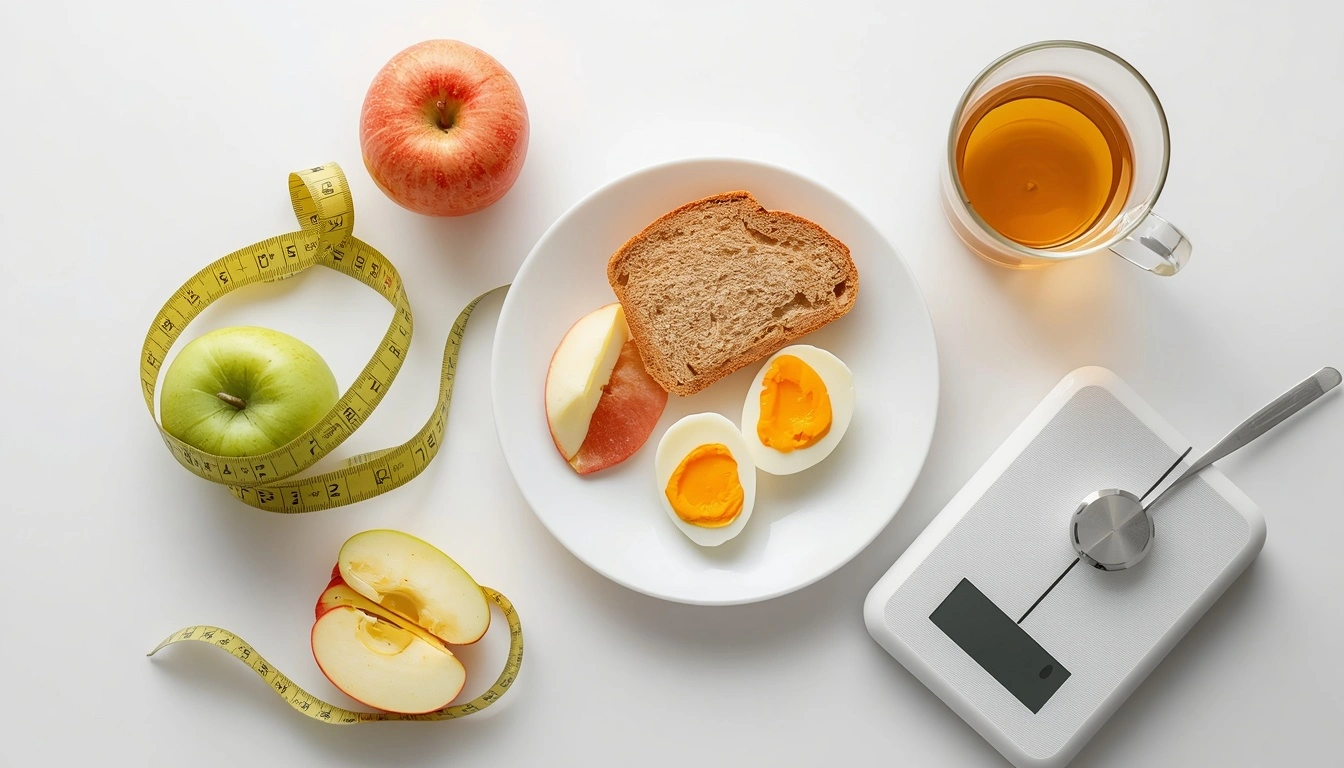
If you’re trying to lose weight, you may wonder how many eggs you should eat per day to support your weight-loss goals. Eggs are one of the best breakfast foods for people trying to lose weight because they’re rich in protein and help you stay full longer.r.
A protein-rich breakfast may help reduce hunger throughout the day, making it easier to control calorie intake.
How Eggs Support Weight Loss
- Keep you full for longer.
- Help preserve muscle while losing fat.
- Reduce unnecessary snacking
- Provide high-quality protein with relatively few calories.
For example:
Better Breakfast
- Two boiled eggs
- One apple
- Whole-grain toast
- Green tea
Less Healthy Breakfast
- Sugary cereal
- Sweetened coffee
- Packaged biscuits
The first meal is more filling, nutritious, and supports long-term weight management.
However, eggs alone don’t cause weight loss. The best results come from combining them with a balanced diet, regular exercise, quality sleep, and consistent healthy habits.
Safe Number of Eggs Per Day for Different People
The ideal number of eggs varies depending on your age, lifestyle, and health goals. Here’s a general guideline:
Person | Recommended Daily Intake |
Healthy adults | 1–2 whole eggs |
Gym-goers & athletes | 2–3 whole eggs |
Weight-loss diet | 2 whole eggs |
Older adults | 1–2 whole eggs |
Children | Usually 1 egg (age-dependent) |
These recommendations apply to most healthy people. If you have heart disease, uncontrolled diabetes, or a cholesterol-related condition, follow your healthcare provider’s advice.
Eggs for Muscle Gain

Eggs are one of the best natural protein sources for building and repairing muscle. They contain all nine essential amino acids your body needs after exercise.
If your goal is muscle gain:
- Eat 2–3 whole eggs daily as part of a high-protein diet.
- Include other protein sources like chicken, fish, paneer, lentils, beans, or tofu.
- Combine adequate protein with regular strength training.
Many people eat only egg whites, but whole eggs provide additional nutrients such as vitamin D, choline, and healthy fats that support overall health. To learn more about their protein content and nutrition, read our guide on How Much Protein Is in 4 Eggs?
Eggs and Cholesterol: What Does Research Say?

For years, people believed eating eggs every day would automatically raise cholesterol. Modern research tells a different story.
For most healthy adults, eating 1–2 eggs per day has little effect on blood cholesterol when the overall diet is balanced. According to the American Heart Association, eggs can be part of a heart-healthy diet for most people.
Heart health is influenced more by habits such as:
- Eating too many processed foods
- Lack of physical activity
- Smoking
- Excess body weight
- High intake of saturated and trans fats
If you have a medical condition that affects cholesterol levels, consult your healthcare provider before making major dietary changes.
Benefits of Eating Eggs Every Day
Adding eggs to your daily diet can offer several health benefits.
High-Quality Protein
Eggs provide complete protein that helps build muscle, repair tissues, and keep you feeling full longer.
Supports Brain Health
Egg yolks contain choline, an essential nutrient that supports memory, learning, and normal brain function.
Good for Eye Health
Eggs contain lutein and zeaxanthin, antioxidants that help support healthy vision.
Budget-Friendly Nutrition
Eggs are affordable, easy to prepare, and available almost everywhere, making them an excellent choice for families and busy professionals.
Whole Eggs vs. Egg Whites
Both whole eggs and egg whites are nutritious, but they serve different purposes.
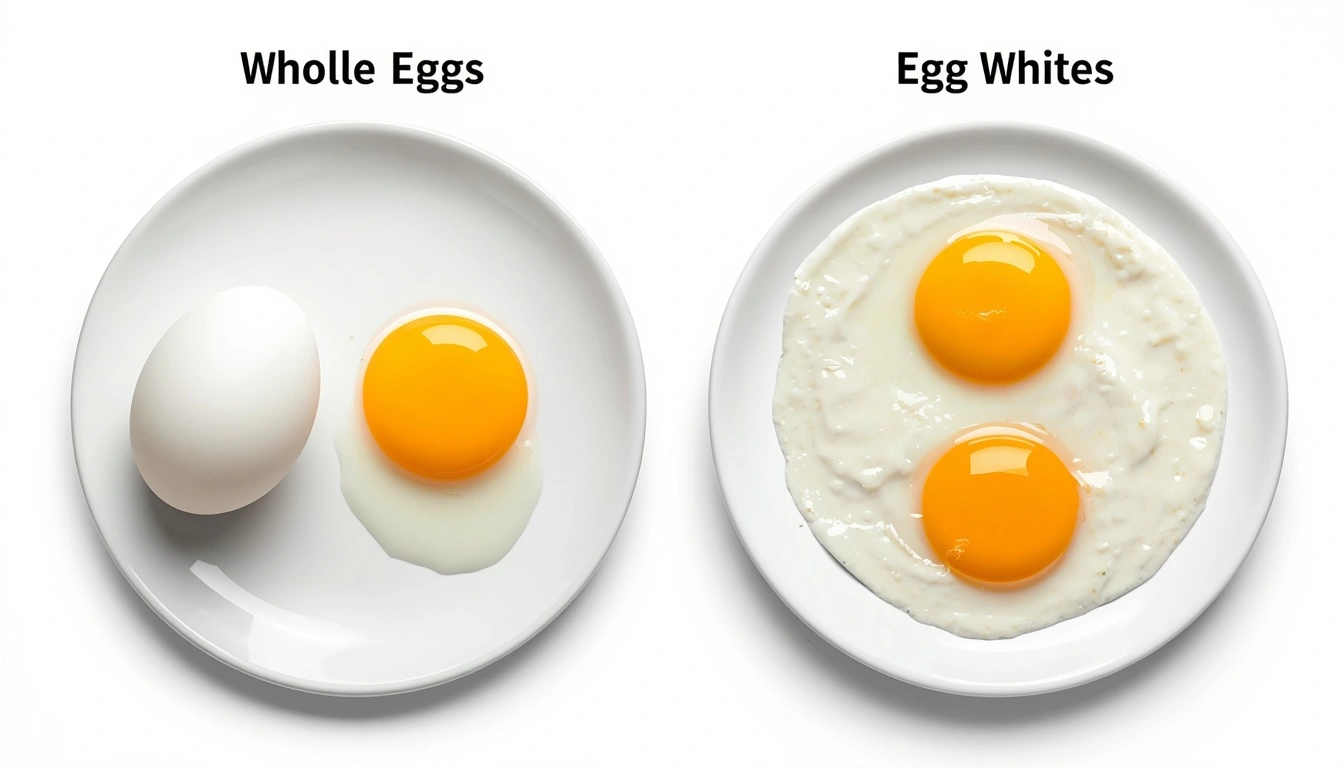
Whole Eggs | Egg Whites |
Complete protein | High protein |
Healthy fats | Almost fat-free |
Rich in vitamins and minerals | Lower in calories |
Contains choline and vitamin D | Mostly protein |
For most healthy people, whole eggs provide more complete nutrition. Egg whites are a good option if you need extra protein while limiting calories.
When deciding how many eggs you should eat per day, remember that both whole eggs and egg whites can fit into a healthy eating plan.
Common Mistakes People Make
Avoid these common mistakes when including eggs in your diet:
- Eating eggs with processed foods every day.
- Depending only on eggs for protein.
- Cooking eggs with excessive oil or butter.
- Ignoring fruits, vegetables, and whole grains.
- Focusing only on eggs instead of maintaining a healthy lifestyle.
Remember, no single food determines your health. Your overall eating pattern matters the most.
Practical Tips for Eating Eggs Daily
Follow these simple habits to get the most from your eggs:
- Start your day with a protein-rich breakfast.
- Pair eggs with vegetables or whole grains.
- Choose boiled, poached, or lightly scrambled eggs.
- Include different protein sources throughout the week.
- Listen to your body’s needs and seek medical advice if you have specific health conditions.
Conclusion
If you’ve been asking How Many Eggs Should You Eat Per Day?, the answer is simple for most healthy adults: 1–2 whole eggs daily can be part of a nutritious, balanced diet. People with higher protein needs, such as athletes or regular gym-goers, may safely include 2–3 eggs per day when combined with healthy eating habits.
Instead of focusing only on the number of eggs you eat, pay attention to your overall diet and lifestyle. Pair eggs with vegetables, fruits, whole grains, and regular physical activity for the best long-term health benefits.
When eaten as part of a balanced diet, eggs remain one of the most affordable, convenient, and nutrient-rich foods you can enjoy every day.
Still wondering how many eggs should you eat per day? For most healthy adults, 1–2 eggs daily is a healthy and balanced choice.
If you’re also tracking calories, don’t miss our guide on How Many Calories in 2 Scrambled Eggs?
Frequently Asked Questions (FAQs)
Item #1
How many eggs should you eat per day for weight loss?
Most healthy adults can eat 1–2 whole eggs daily as part of a calorie-controlled diet. Their high protein content helps keep you full for longer.
Item #2
How many boiled eggs should you eat per day?
For most healthy adults, 1–2 boiled eggs daily is a healthy choice. Active individuals may include up to 3 boiled eggs if needed.
Item #3
Can I eat eggs every day?
Yes. Most healthy adults can safely eat eggs every day when they are part of a balanced diet.
Item #4
Are whole eggs better than egg whites?
Whole eggs provide more complete nutrition because the yolk contains healthy fats, vitamins, minerals, and choline. Egg whites are mainly a lean source of protein.
Item #5
Are eggs good for muscle gain?
Yes. Eggs are a complete protein, containing all essential amino acids, making them an excellent food for muscle repair and growth when combined with strength training.
Item #6
Is it safe to eat 3 eggs every day?
Yes, for most healthy adults, eating up to 3 whole eggs per day is generally considered safe when included as part of a balanced diet. People who exercise regularly or need more protein may benefit from eating 3 eggs daily. However, if you have heart disease, uncontrolled diabetes, or a genetic cholesterol disorder, consult your healthcare provider before increasing your egg intake.
Item #7
How many eggs should you eat per day for a healthy lifestyle?
Most healthy adults can safely eat 1–2 eggs per day as part of a balanced diet. People with higher protein needs may eat more, depending on their overall nutrition and lifestyle.