
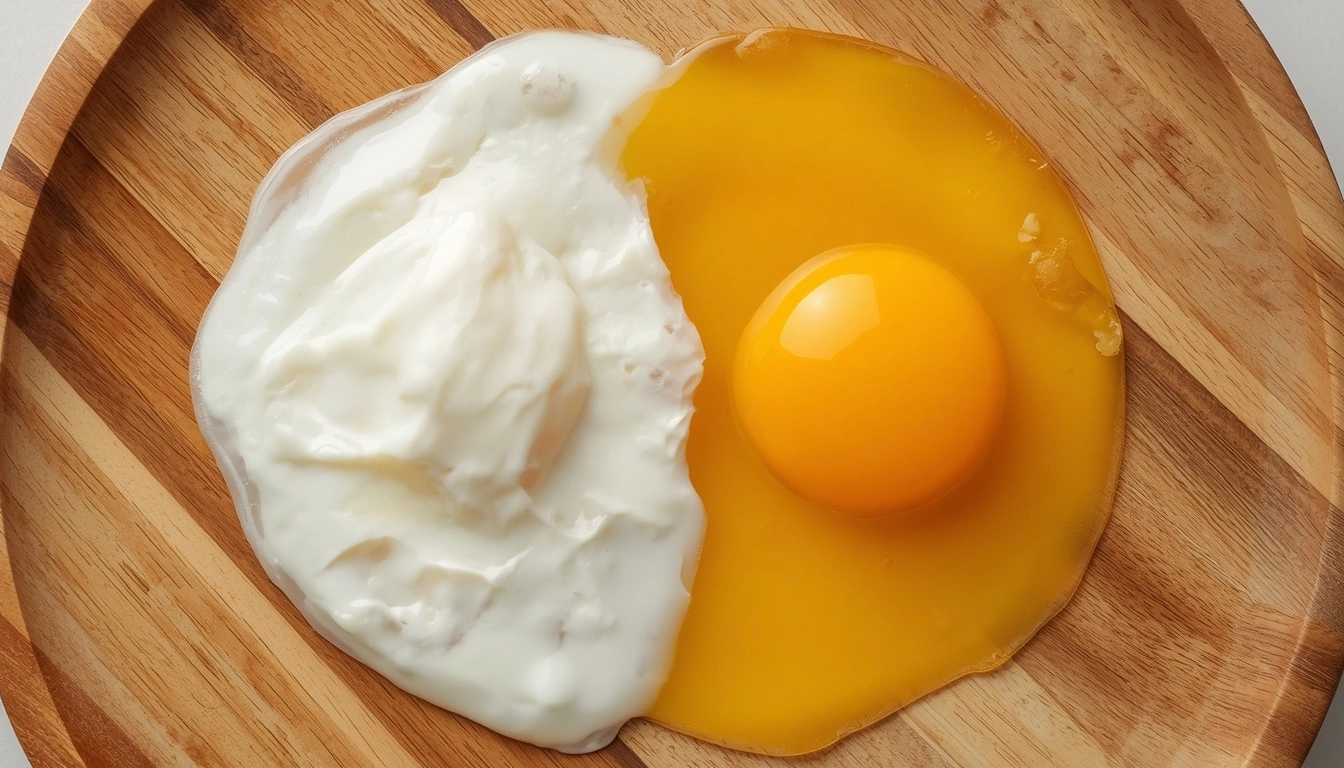
Egg White vs Whole Egg Protein is one of the most searched nutrition topics today, and it’s easy to understand why. Whether you’re rushing to the office, preparing breakfast for your family, hitting the gym before work, or simply trying to eat healthier, eggs are often the first food that comes to mind. They’re affordable, easy to cook, and packed with high-quality protein. But when it comes to choosing between egg whites and whole eggs, many people are still unsure which option is actually better.
A few years ago, it became common to hear people say, “Skip the yolk—it’s healthier.” You may have heard the same advice from a gym friend, a family member, or even on social media. In fact, many people started throwing away perfectly good egg yolks without knowing what they were missing.
The reality is a little more interesting.
Egg whites are an excellent source of lean protein, while whole eggs offer much more than protein alone. The yolk contains healthy fats, essential vitamins, minerals, and nutrients that support everything from brain function to muscle recovery. That doesn’t automatically mean one is always better than the other. The right choice depends on your health goals, daily calorie needs, and overall lifestyle.
If you’re trying to lose weight, build muscle, improve your diet, or simply understand what you’re eating, this guide will help you make an informed decision. We’ll compare Egg White vs Whole Egg Protein in simple, practical language—without confusing scientific jargon or internet myths.
By the end of this article, you’ll know exactly when to choose egg whites, when whole eggs make more sense, and how to include both in a balanced diet.
Table of Contents
What Is Egg White vs Whole Egg Protein?
When comparing Egg White vs Whole egg Protein, egg whites provide almost pure protein with very few calories, fat, or cholesterol. Whole eggs contain slightly more total protein along with healthy fats, vitamins, minerals, antioxidants, and important nutrients like choline.
For most healthy adults, whole eggs offer more complete nutrition, while egg whites are a great option for people who want to increase protein intake while keeping calories and fat lower.
Egg White vs Whole Egg Protein: Nutrition at a Glance

|
Nutrient |
Egg White |
Whole Egg |
|
Calories |
17 |
72 |
|
Protein |
3.6 g |
6.3 g |
|
Fat |
0 g |
4.8–5 g |
|
Carbohydrates |
0.2 g |
0.4 g |
|
Cholesterol |
0 mg |
186 mg |
|
Vitamin D |
No |
Yes |
|
Vitamin B12 |
Very Low |
Good Source |
|
Choline |
Almost None |
Excellent Source |
At first glance, egg whites appear to be the healthier option because they’re lower in calories and contain no fat. However, the whole egg delivers a much broader range of nutrients that your body needs every day.
7 Key Differences Between Egg White vs Whole Egg Protein
1. Protein Content: Which One Gives You More?
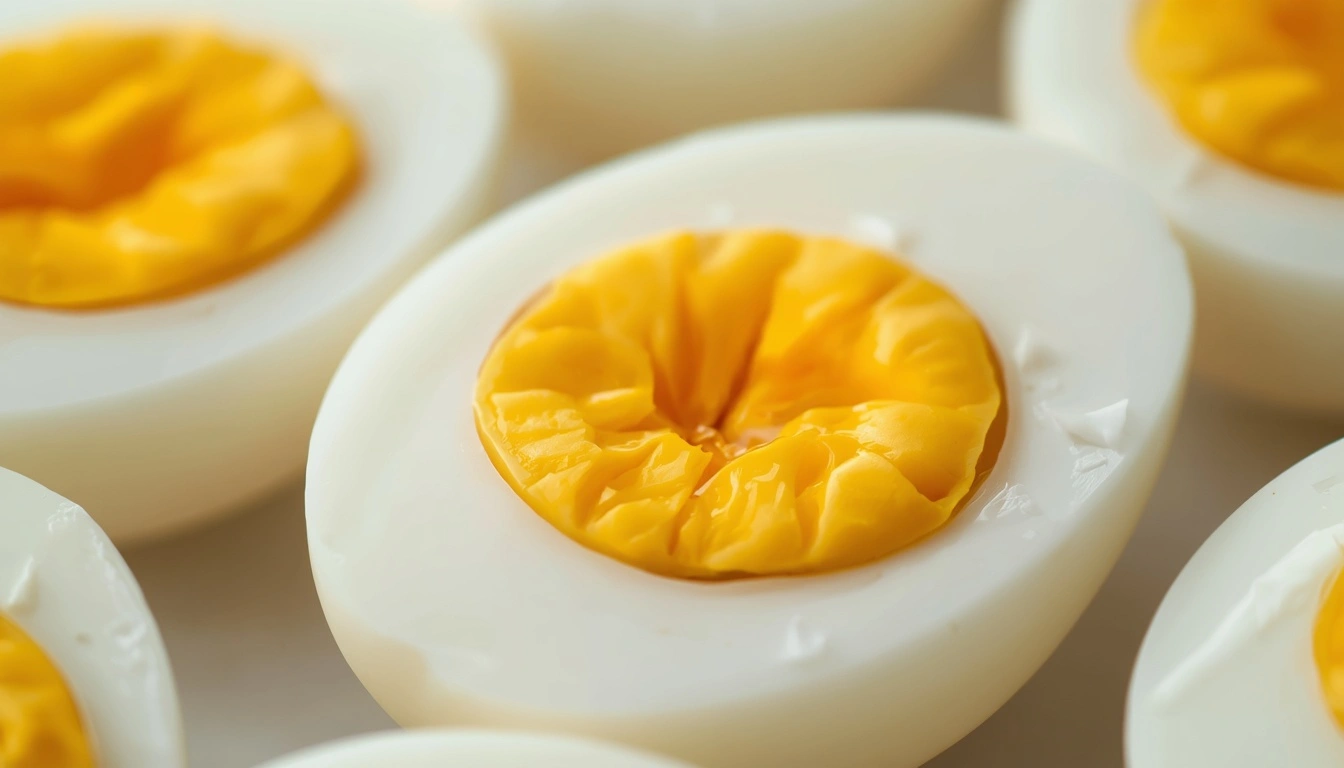
Many assume that all the protein in an egg comes from the white. That’s only partly true.
One large egg white provides around 3.6 grams of protein, while a whole egg provides approximately 6.3 grams of complete protein because it contains protein from both the white and the yolk.
More importantly, eggs contain all nine essential amino acids, making them a complete protein source that supports muscle repair, immunity, and overall health.
Egg whites provide lean protein with almost no extra calories. Whole eggs provide slightly more total protein plus additional nutrients that support how your body uses that protein.
2. Calories and Fat: Lean Protein vs Complete Nutrition
One of the biggest differences in Egg White vs Whole Egg Protein is calorie content.
A single egg white contains only about 17 calories, while a whole egg contains around 72 calories because the yolk naturally includes healthy fats.
These healthy fats help:
- Keep you full longer.
- Support hormone production
- Help absorb vitamins A, D, E, and K.
- Provide steady energy
If you’re trying to reduce calories aggressively, egg whites are helpful. But if you want a satisfying and nutrient-rich breakfast, whole eggs are often the better choice.
3. Vitamins and Minerals: Where the Real Nutrition Lives
This is where whole eggs clearly stand out.
The yolk contains most of the egg’s nutrients, including:
- Vitamin A
- Vitamin D
- Vitamin E
- Vitamin K
- Vitamin B12
- Selenium
- Choline
Egg whites are mainly a source of protein and water.
Think of it this way: egg whites are like a high-quality protein shake, while whole eggs are more like a complete multivitamin combined with high-quality protein—all in one natural food.
4. Muscle Building: Does the Yolk Make a Difference?

When comparing Egg White vs Whole Egg Protein, both options provide high-quality protein, but whole eggs may offer a small advantage for muscle recovery and growth.
The yolk contains healthy fats, choline, vitamin D, and other nutrients that support recovery after exercise. Research also suggests that whole eggs may stimulate muscle protein synthesis more effectively than egg whites alone.
Many fitness enthusiasts choose:
2 whole eggs + 4 egg whites
This combination provides plenty of protein while keeping calories under control.
5. Weight Loss: Which Option Helps You Stay Full Longer?

When people start a weight-loss journey, eggs are usually one of the first foods they add to their meal plan.
At first glance, egg whites seem like the obvious winner because they contain:
- Very few calories
- Almost no fat
- High-quality protein
However, weight loss isn’t only about eating fewer calories.
One of the biggest challenges people face is staying full between meals. This is where Egg White vs. whole egg protein becomes important.
Because whole eggs contain healthy fats along with protein, they generally help you feel satisfied for longer. Better fullness often means fewer unnecessary snacks throughout the day.
For weight loss:
Choose egg whites if you:
- Are following a strict calorie deficit.
- Already get enough healthy fats from other foods.
- Want extra protein without increasing calories.
- Struggle with constant hunger.
- Want a balanced breakfast.
- Prefer whole, minimally processed foods.
For most healthy adults, eating one or two whole eggs each day fits comfortably into a balanced weight-loss diet.
6. Heart Health and Cholesterol: Should You Worry About the Yolk?

This is probably the biggest myth surrounding eggs.
For years, people believed egg yolks were bad for the heart because they contain cholesterol. Today, nutrition experts have a much clearer understanding.
For most healthy individuals, the cholesterol found in eggs has only a small effect on blood cholesterol levels. In many cases, diets high in saturated fat and ultra-processed foods have a much greater impact on heart health than eating eggs in moderation.
If your meals include:
- Fruits
- Vegetables
- Whole grains
- Healthy fats
- Lean proteins
then enjoying whole eggs as part of that pattern is generally considered healthy for most people.
However, people with certain medical conditions should always follow their doctor’s advice regarding egg consumption.
7. Overall Nutrition: Which One Wins?
When comparing Egg White vs Whole Egg Protein, it’s easy to focus only on protein.
Egg Whites Provide:
- High-quality complete protein
- Very low calories
- Zero fat
- Ideal for calorie-controlled diets
Whole Eggs Provide:
- Complete protein
- Healthy fats
- Vitamin A
- Vitamin D
- Vitamin E
- Vitamin K
- Vitamin B12
- Choline
- Selenium
- Antioxidants like lutein and zeaxanthin
If your goal is simply to eat more protein while keeping calories low, egg whites are a smart option.
If you’re looking for a food that delivers protein and a wide range of essential nutrients, whole eggs clearly offer more.
Which Is Better for Weight Loss?
There isn’t one universal winner in Egg White vs Whole Egg Protein because everyone’s body and goals are different.
If you’re carefully tracking calories, egg whites can help you meet your protein target while staying within your daily calorie limit.
If you often feel hungry between meals, whole eggs may make weight loss easier by keeping you satisfied for longer.
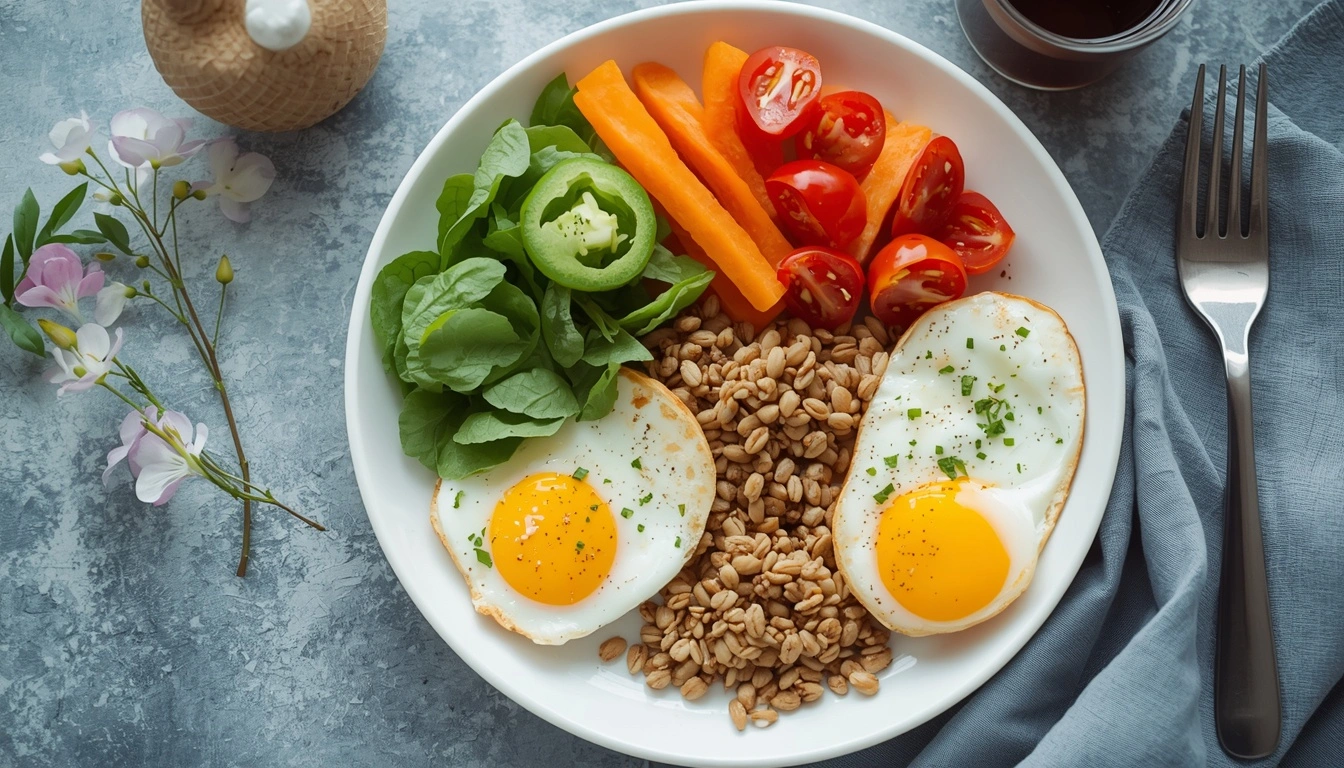
A balanced breakfast such as:
- 2 whole eggs
- Whole-grain toast
- Fresh vegetables
- A bowl of fruit
provides protein, fibre, healthy fats, vitamins, and steady energy throughout the morning
Which Is Better for Muscle Building?
If your goal is muscle growth, both egg whites and whole eggs deserve a place in your diet.
However, in Egg White vs Whole Egg Protein, whole eggs offer a slight nutritional advantage because they provide more than just protein.
Many strength coaches recommend:
This combination provides:
- High-quality complete protein
- Healthy fats
- Vitamins and minerals
- Moderate calories
- Excellent muscle recovery support
Quick Summary
Goal | Better Choice |
Lowest calories | Egg Whites |
Maximum nutrition | Whole Eggs |
Muscle building | Whole Eggs or Combination |
Strict fat reduction | Egg Whites |
Long-lasting fullness | Whole Eggs |
Everyday healthy eating | Whole Eggs |
High-protein meal | Combination of Both |
Conclusion
Choosing between Egg White vs Whole Egg Protein doesn’t have to be confusing. Both have their place in a healthy diet, but the right choice depends on your personal goals.
If you’re aiming to reduce calories while increasing protein, egg whites are a practical option. They’re low in calories, fat-free, and easy to include in meal plans.
If your goal is overall nutrition, long-lasting fullness, or better muscle recovery, whole eggs offer much more than just protein. The yolk contains healthy fats, vitamins, minerals, antioxidants, and choline—nutrients your body needs every day.
For most healthy adults, enjoying one or two whole eggs a day as part of a balanced diet is a nutritious and satisfying choice. If you need extra protein without too many additional calories, combining whole eggs with a few egg whites can be an excellent solution.
Instead of following food myths, focus on building healthy habits that you can maintain over the long term. Understanding Egg White vs Whole Egg Protein will help you choose the option that best fits your body, lifestyle, and health goals.
Frequently Asked Questions (FAQs)
Item #1
Is Egg White vs Whole Egg Protein better for overall health?
For most healthy adults, whole eggs provide more complete nutrition, while egg whites are ideal if you want lean protein with fewer calories.
Item #2
Which has more protein: egg white or whole egg?
One large egg white contains about 3.6 g of protein, while one whole egg provides about 6.3 g of complete protein.
Item #3
Can I eat whole eggs every day?
Yes. Most healthy adults can enjoy one or two whole eggs daily as part of a balanced diet.
Item #4
Are egg whites better for weight loss?
Egg whites are lower in calories, but whole eggs may keep you full longer, which can also support weight management
Item #5
What's the best way to eat eggs for muscle building?
A combination of 2 whole eggs + 2–4 egg whites provides high-quality protein along with the healthy fats and nutrients needed to support muscle recovery.