

Have you ever promised yourself that Monday would be the day you finally start eating healthier, only to end up ordering fast food after a stressful day at work? If you’re juggling office deadlines, household responsibilities, late-night cravings, or simply trying to find time for yourself, you’re not alone. Intermittent Fasting Before and After: 30-Day Results is something many people search for because they want realistic answers—not miracle claims. The good news is that small, consistent changes often lead to noticeable progress within a month.
If that sounds familiar, you’re certainly not alone. Building healthier eating habits takes time, and setbacks are a normal part of the process. Intermittent fasting isn’t about being perfect—it’s about finding a routine that fits your lifestyle and is easy to maintain over the long term.
Many people in India skip breakfast because of busy mornings, while others around the world rely on coffee and quick snacks just to get through the day. Over time, these habits can lead to weight gain, low energy, and constant cravings. That’s where intermittent fasting has become popular. Instead of focusing only on what you eat, it also changes when you eat.
But what actually happens after 30 days? Is the weight loss real? Will you feel healthier, or is it just another internet trend?
This guide explains Intermittent Fasting Before and After: 30-Day Results with realistic expectations, practical advice, and simple language so you know exactly what to expect.
Table of Contents
What Is Intermittent Fasting?
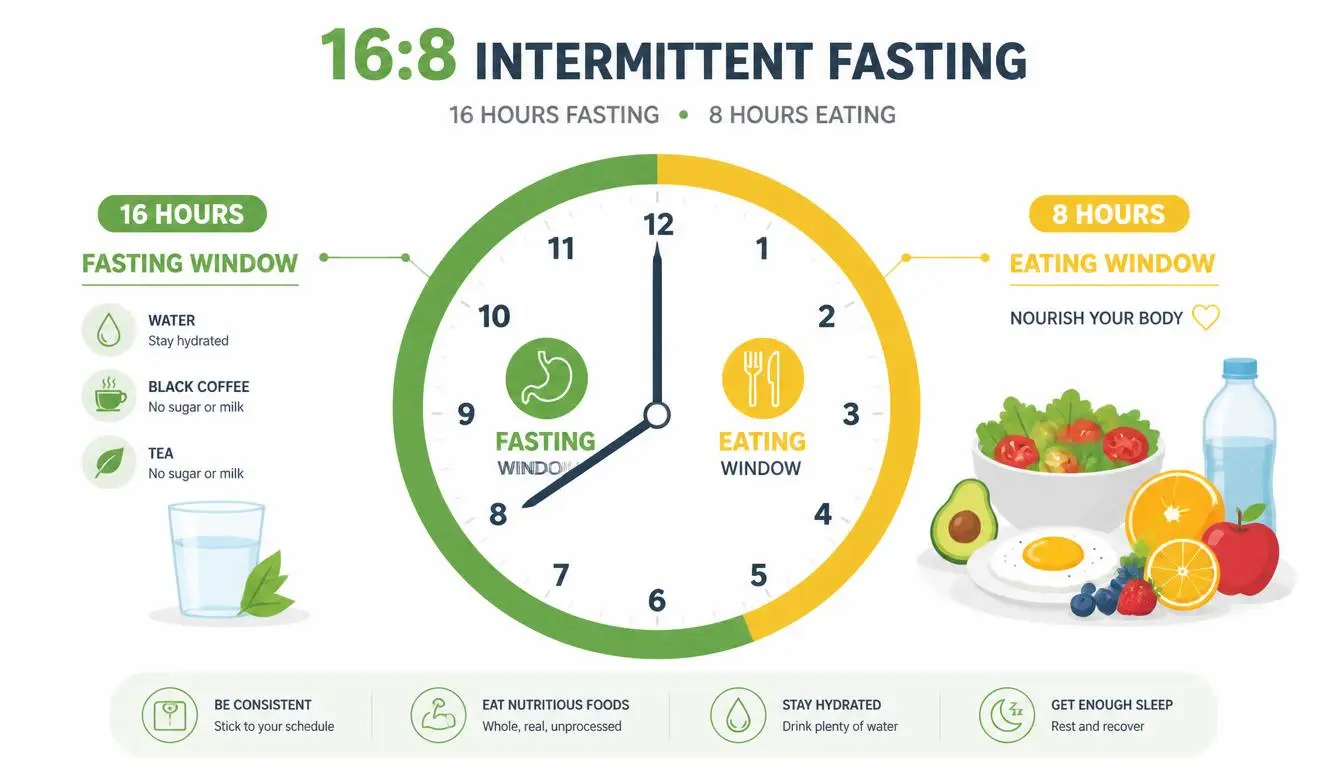
Unlike traditional diets that mainly focus on food choices, intermittent fasting is based on meal timing. Instead of eating throughout the day, you eat within a planned eating window and fast for the remaining hours. The goal isn’t to restrict specific foods but to follow a consistent eating routine that fits your lifestyle.
For more information about intermittent fasting and its health effects, you can refer to research and guidance from trusted health organizations.
Some of the most popular intermittent fasting methods include:
- 16:8 Method – Fast for 16 hours and eat within an 8-hour eating window.
- 14:10 Method – A beginner-friendly option with a shorter fasting period.
- 18:6 Method – A good choice for people who are already comfortable with fasting.
- 5:2 Diet – Follow your usual eating pattern on five days of the week, then limit your calorie intake on two separate, non-consecutive days.
Many beginners choose the 16:8 method because it fits easily into everyday life. For example, you may finish dinner at 8 PM and have your first meal at 12 PM the next day.
What Is the Best Intermittent Fasting Before and After: 30-Day Results?
The best Intermittent Fasting Before and After: 30-Day Results are gradual and realistic. Most people notice better eating habits, fewer cravings, improved energy, and moderate weight loss after following a consistent fasting routine combined with a balanced diet and regular physical activity. Sustainable progress is more important than rapid results.
Why Are So Many People Trying Intermittent Fasting?
A few years ago, intermittent fasting was mainly discussed by fitness enthusiasts. Today, it’s followed by office workers, students, parents, and even busy entrepreneurs.
Why?
Many people like it because it doesn’t rely on expensive products or a rigid meal plan, making it easier to fit into everyday life.
People often like it because:
- It can simplify meal planning.
- It may reduce unnecessary snacking. If your goal is healthy weight management, you may also enjoy our guide on Healthy Snack Bars: 15 Best Options for Energy & Weight Loss.
- Many people report feeling more focused during fasting hours.
- It can fit into different lifestyles and cultures.
For many Indians, avoiding late-night snacks and sugary tea multiple times a day becomes easier with a structured eating window. Globally, people appreciate that intermittent fasting doesn’t force them to eliminate their favorite foods completely—it simply encourages better timing and portion control.
Intermittent Fasting Before and After: 30-Day Results – Week-by-Week
Everyone’s body responds differently, but many beginners experience similar stages during their first month.
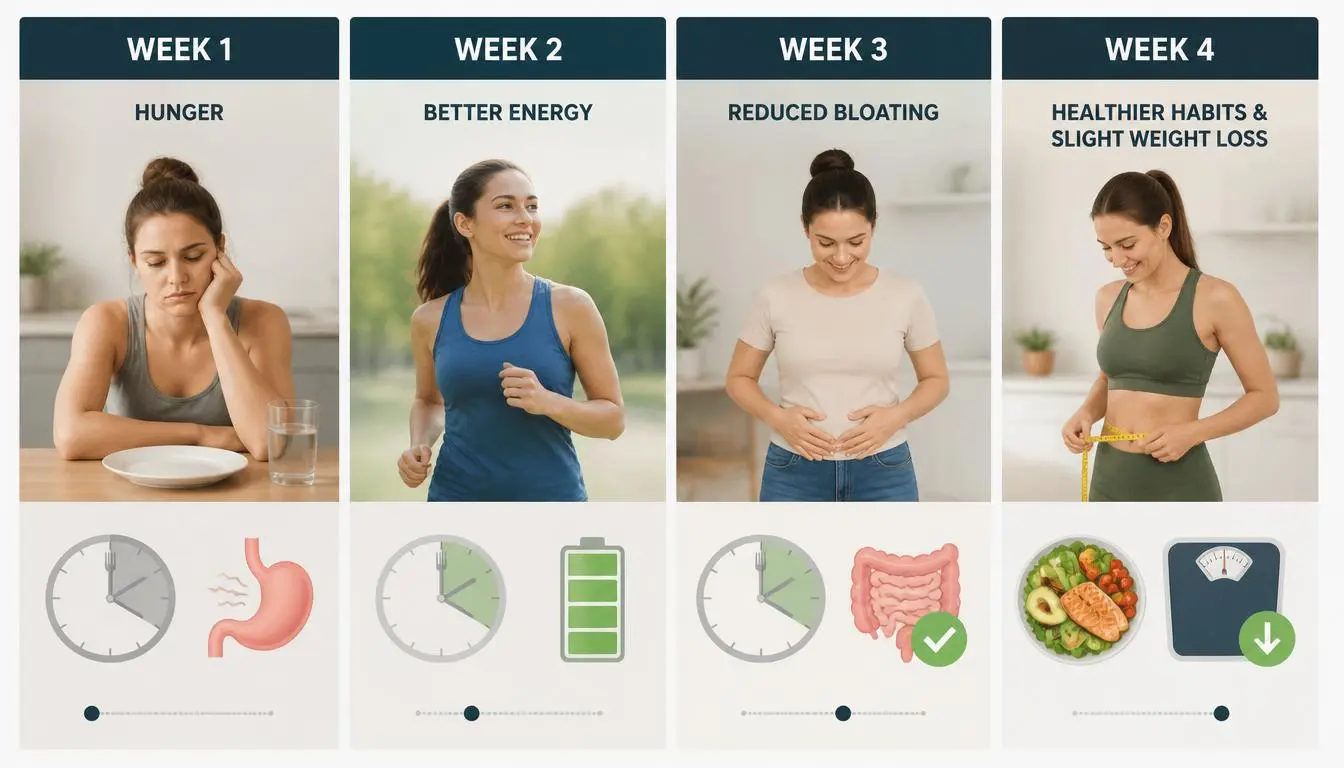
Week 1: The Adjustment Phase
Honestly, this is usually the hardest week.
Many beginners think they’re doing something wrong during the first few days. In reality, mild hunger and temporary discomfort are often part of the adjustment process as your body gets used to a new eating routine.
During this phase, it’s common to experience:
- Hunger during your usual meal times
- Mild headaches
- Temporary tiredness
- Food cravings
If you’ve been eating every few hours, your body simply needs time to adjust.
The good news is that these symptoms often improve after a few days. Drinking enough water, getting enough sleep, and eating protein-rich meals during your eating window can make the transition much easier.
Week 2: Better Control Over Hunger
By the second week, many people notice that hunger becomes much more manageable.
Instead of constantly thinking about food, you may begin to feel:
- Better appetite control
- More stable energy levels
- Less emotional eating
- Improved focus during work
One common observation is that people stop reaching for unnecessary snacks while watching TV or scrolling on their phones.
This alone can reduce daily calorie intake without feeling overly restrictive.
Week 3: Visible Changes Begin
This is often when motivation starts to grow.
While dramatic transformations are uncommon after only three weeks, many people notice small but encouraging improvements such as:
- Clothes fitting a little better
- Reduced bloating
- More confidence
- Better digestion
- Increased consistency with healthy habits
Some people also report sleeping better after avoiding heavy late-night meals.
These improvements may seem small, but together they create long-term success.
Week 4: Intermittent Fasting Before and After: 30-Day Results
By the fourth week, many people begin to notice why Intermittent Fasting Before and After: 30-Day Results has become such a popular search topic. The biggest difference is often not just the number on the scale—it’s how daily habits start to change.
If you’ve stayed consistent, you may notice:
- Better portion control
- Fewer sugar cravings
- Improved energy throughout the day
- Less bloating
- Better digestion
- A healthier relationship with food
Some people lose a few kilograms, while others may see only a small change in weight. Both outcomes can be completely normal because age, activity level, sleep, stress, and food choices all affect your progress.
The most successful people usually focus on building sustainable habits instead of chasing rapid weight loss.
How Much Weight Can You Lose in 30 Days?
One of the biggest questions people ask after searching Intermittent Fasting Before and After: 30-Day Results is how much weight they can realistically lose.
There isn’t a single answer because every body responds differently.
A realistic expectation for many healthy adults is gradual weight loss when intermittent fasting is combined with:
- A balanced diet
- Regular physical activity
- Proper sleep
- Consistent calorie control
Some people may notice changes on the weighing scale, while others first notice improvements in how their clothes fit, energy levels, or eating habits. These are all signs of progress.
Rather than expecting dramatic changes in just one month, think of the first 30 days as the foundation for long-term success.
Remember, healthy weight loss is usually slow and steady—not overnight.
Benefits of Intermittent Fasting After 30 Days
Many beginners continue fasting because they start noticing benefits beyond weight loss.
1. Better Appetite Control
Many people find themselves snacking less frequently. Instead of constantly thinking about food, hunger becomes more predictable.
2. Increased Energy
Once your body adjusts, energy levels often become more stable throughout the day.
Instead of feeling sleepy after every meal, many people report improved productivity.
3. Reduced Late-Night Eating
Late-night snacking is a common habit in many households.
Having a fixed eating window naturally encourages healthier meal timing.
4. Better Digestion
Some people notice less bloating and improved digestion after reducing unnecessary snacking.
Eating fewer but balanced meals may also help the digestive system work more efficiently.
5. Improved Food Choices
What most people don’t realize is that intermittent fasting often changes eating habits naturally.
After fasting for several hours, many people prefer nutritious meals instead of processed junk food because they want to make their eating window count.
Learn how to build balanced meals with our Healthy Protein Snacks guide.
Tips for Better 30-Day Results
If you want the best Intermittent Fasting Before and After: 30-Day Results, consistency matters far more than perfection.
Here are some practical tips that actually help.
Stay Hydrated
Drink enough water throughout the day.
You can also enjoy black coffee or unsweetened tea during fasting hours if they fit your plan.
Eat Enough Protein
Protein helps keep you full and supports muscle maintenance.Including protein-rich foods like eggs, chicken, fish, lentils, and dairy products can help you meet your daily nutrition needs.
Good choices include:
- Eggs
- Chicken
- Fish
- Greek yogurt
- Lentils
- Paneer
- Tofu
Include Fiber-Rich Foods
Fiber supports digestion and helps control hunger.
Add foods like:
- Oats
- Fruits
- Vegetables
- Beans
- Whole grains
Don't Overeat
A common mistake is eating everything in sight when the fasting window ends.
Instead, choose balanced meals with protein, healthy fats, vegetables, and complex carbohydrates.
Sleep Well
Poor sleep can increase hunger hormones, making fasting much harder.
Aim for around 7–9 hours of quality sleep whenever possible.
Common Beginner Mistakes
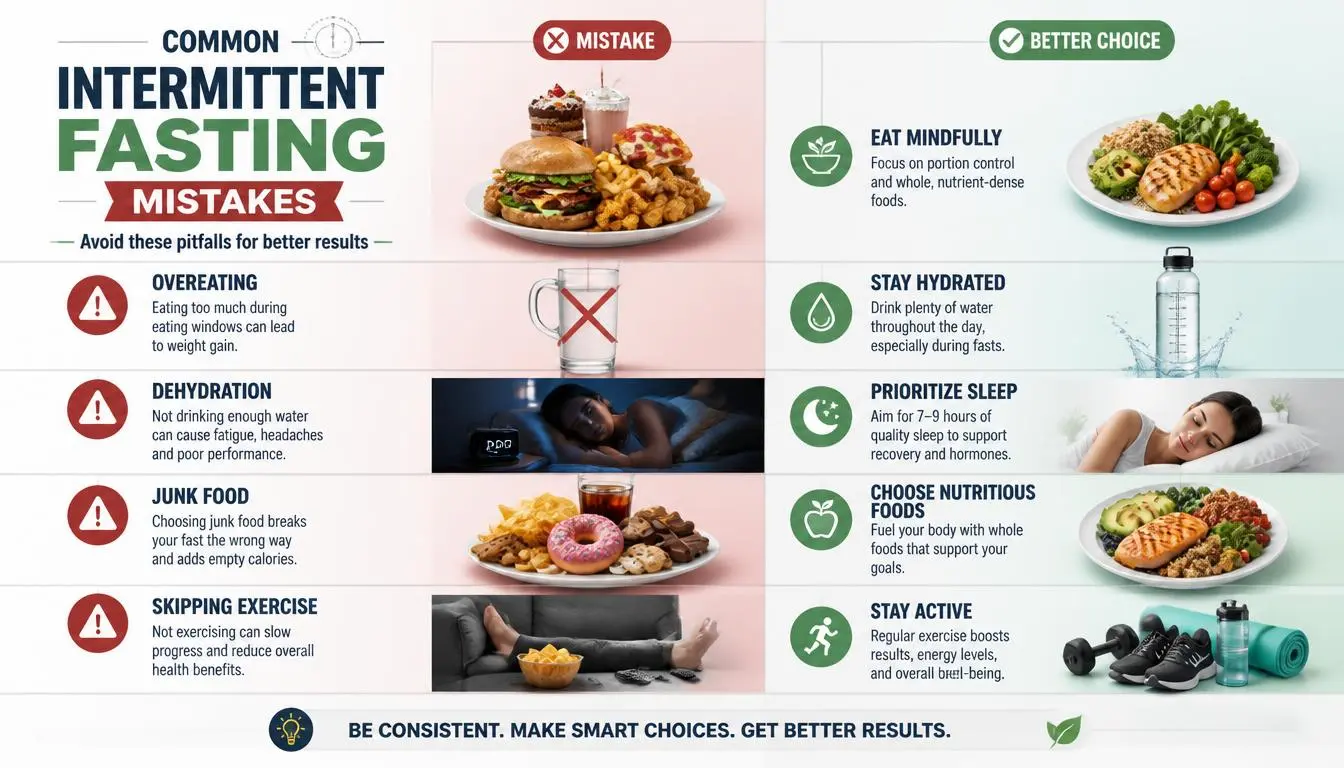
Many disappointing Intermittent Fasting Before and After: 30-Day Results happen because of simple mistakes—not because fasting doesn’t work.
Skipping Water
Dehydration can make you feel hungry even when your body simply needs fluids.
Eating Too Much During Your Eating Window
Intermittent fasting isn’t permission to eat unlimited fast food.
Meal quality still matters.
Expecting Instant Results
Many people quit after one week because they don’t see dramatic changes.
Healthy progress takes time.
Ignoring Exercise
Walking, strength training, cycling, or yoga can complement intermittent fasting and support overall health.
Following Someone Else's Routine
A fasting schedule that works for your friend may not suit your work hours or lifestyle.
Choose a routine you can realistically follow for months—not just a few days.
Is Intermittent Fasting Safe?
For most healthy adults, intermittent fasting can be a safe eating pattern when followed correctly. However, it is not suitable for everyone.
If you have diabetes, take medications that affect blood sugar, are pregnant or breastfeeding, or have a history of eating disorders, talk to a qualified healthcare professional before starting intermittent fasting.
People with diabetes should be especially careful with changes in eating patterns and discuss fasting plans with a healthcare professional to manage blood sugar safely.
The goal is to improve your health—not to push your body beyond its limits.
Who Should Avoid Intermittent Fasting?
Intermittent fasting may not be the right choice for everyone.
You should seek medical advice before trying it if you:
- Are pregnant or breastfeeding
- Have Type 1 diabetes
- Have a history of eating disorders
- Are underweight
- Are recovering from major surgery or illness
- Take medications that require meals at specific times
Even if fasting works well for others, your health needs should always come first.
Final Thoughts on Intermittent Fasting Before and After: 30-Day Results
After reading about Intermittent Fasting Before and After: 30-Day Results, one thing becomes clear—lasting results come from consistency, not perfection.
Your first 30 days may not completely transform your body, but they can completely change your daily habits. You may snack less, feel more in control of your appetite, improve your meal timing, and build a routine that feels sustainable.
Whether you’re a busy office worker in Mumbai, a parent managing household responsibilities, or someone trying to balance work and family anywhere in the world, intermittent fasting can be a practical approach when paired with nutritious food, regular exercise, and enough sleep.
Maintaining a balanced eating pattern with nutritious foods, regular physical activity, and healthy lifestyle habits is an important part of overall well-being.
Instead of comparing your journey with someone else’s before-and-after photos, focus on becoming a little healthier each week. Those small improvements often lead to the biggest long-term changes.
Remember, the goal isn’t to complete a perfect 30 days. The goal is to build healthy habits that you can continue for months or even years. Small, consistent improvements almost always outperform short-term extreme diets.
Health Note: This article is for educational purposes only and is not a substitute for professional medical advice, diagnosis, or treatment. If you have diabetes, take medications that affect blood sugar, are pregnant or breastfeeding, or have any underlying medical condition, consult a qualified healthcare professional before starting intermittent fasting.
Frequently Asked Questions (FAQs)
Item #1
What results can I expect after 30 days of intermittent fasting?
Many people notice reduced bloating, better appetite control, improved energy, healthier eating habits, and gradual weight loss. Results vary depending on diet, activity level, sleep, and consistency.
Item #2
Is 30 days enough to lose weight with intermittent fasting?
Thirty days can be enough to see early progress, but healthy weight loss depends on maintaining a calorie deficit, eating balanced meals, staying active, and following a consistent fasting routine.
Item #3
Which intermittent fasting schedule is best for beginners?
The 16:8 method is one of the most beginner-friendly options because it is easier to follow and fits most daily routines.
Item #4
Can I drink water during intermittent fasting?
Yes. Water is encouraged during fasting hours. Plain water helps maintain hydration and may reduce feelings of hunger.
Item #5
What foods should I eat after breaking a fast?
Choose balanced meals that include lean protein, vegetables, fruits, whole grains, healthy fats, and fiber-rich foods. Avoid overeating or relying on highly processed foods.