
Table of Contents
Healthy Pregnancy Snacks: Easy Choices for Busy Days
Healthy pregnancy snacks can make a surprisingly big difference when your normal eating routine starts changing. One morning you may be rushing to the office after a poor night’s sleep. Another day, household responsibilities, nausea, or food cravings may leave you eating whatever is easiest to find. By afternoon, it can be tempting to reach for biscuits with chai, chips, sweets, or a packaged snack simply because there is no time to prepare anything else.
Sound familiar?
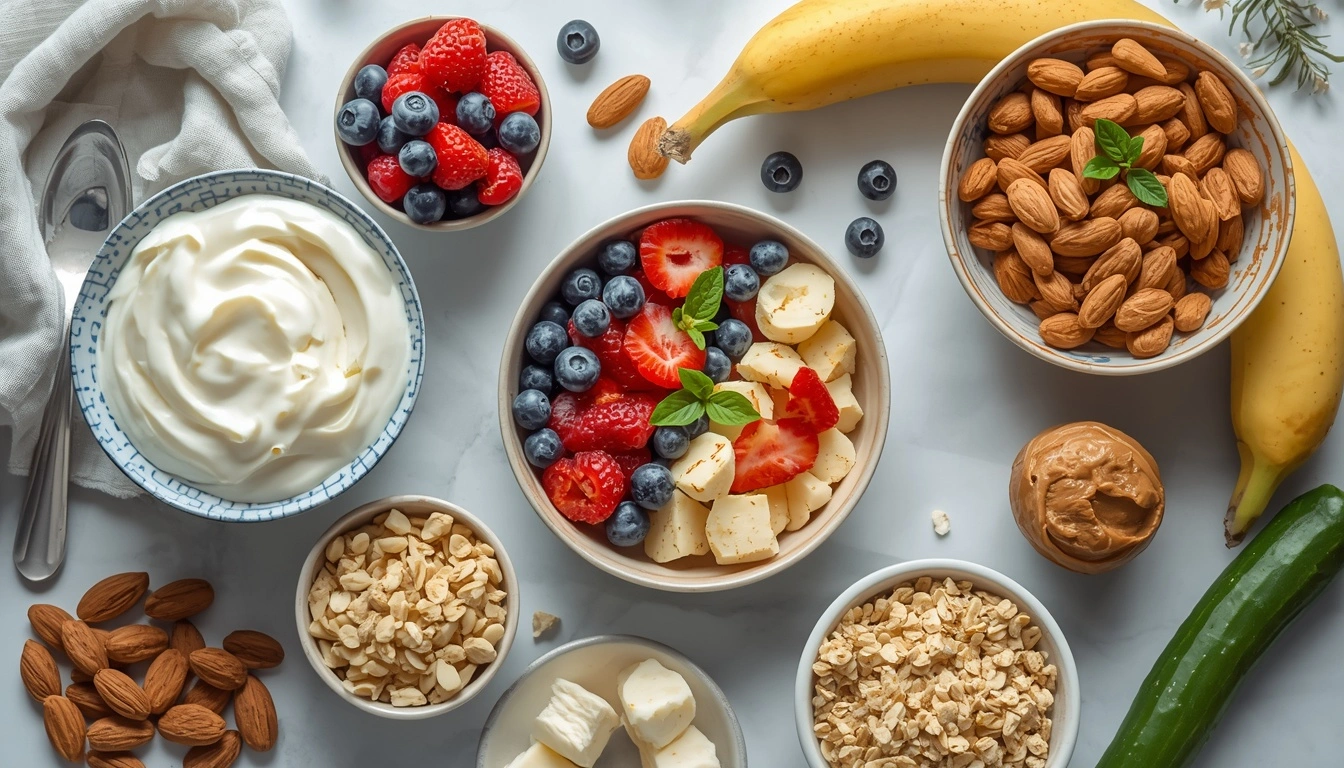
Pregnancy can change appetite, food preferences, and how comfortable large meals feel. The good news is that a nutritious snack does not have to be fancy. A banana with peanut butter, yogurt with fruit, roasted chickpeas, paneer with vegetables, or a thoroughly cooked egg with whole-grain toast can all be practical choices.
A healthy pregnancy diet is about variety and getting important nutrients rather than literally “eating for two.” ACOG recommends a varied diet that includes fruits, vegetables, grains, protein foods, dairy or suitable alternatives, and healthy fats.
Whether you’re in India, the US, the UK, or anywhere else, the basic idea is the same: make nutritious food easy to reach when hunger or cravings appear.
What Makes Healthy Pregnancy Snacks?
The best healthy pregnancy snacks usually combine at least two useful food groups rather than relying entirely on refined carbohydrates or added sugar.
For example:
- Fruit + yogurt
- Banana + peanut butter
- Egg + whole-grain toast
- Paneer + vegetables
- Hummus + vegetables
- Nuts + fruit
- Oatmeal + nuts or seeds
Protein foods such as eggs, beans, lentils, nuts, seeds, and dairy products can contribute to a balanced pregnancy diet. Whole grains, fruits, and vegetables also provide important nutrients and fiber.
Honestly, you don’t need to make every snack perfect. Your overall eating pattern matters much more than whether one afternoon snack was ideal.
25 Healthy Pregnancy Snacks to Try
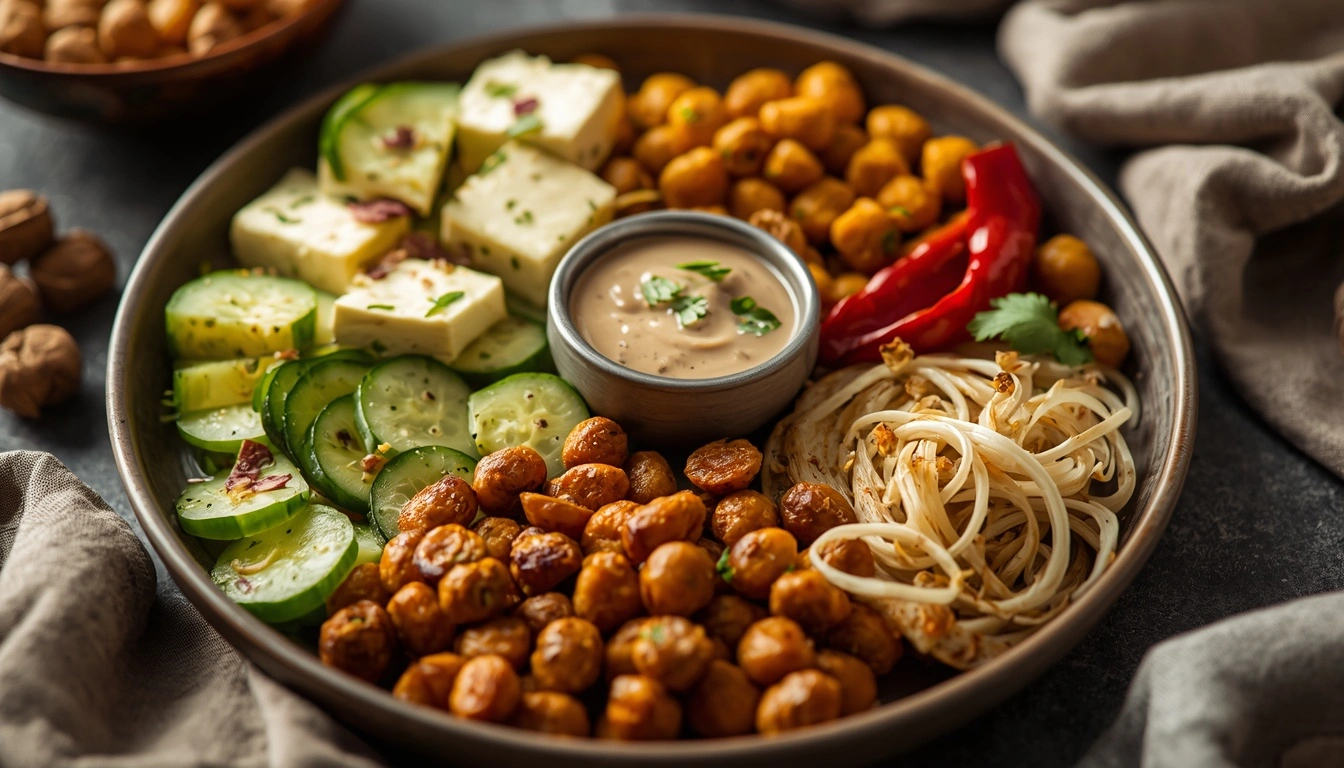
Here are simple healthy pregnancy snacks that can work at home, at work, or when you’re short on preparation time.
1. Greek Yogurt With Berries
Choose pasteurized yogurt and add strawberries, blueberries, or another fruit you enjoy. Add a few nuts or seeds if you want something more filling.
2. Banana With Peanut Butter
A banana is naturally sweet and easy to carry. Pair it with peanut butter for a more satisfying snack.
3. Thoroughly Cooked Egg With Whole-Grain Toast
An egg with whole-grain toast is a simple option when fruit alone isn’t enough to control hunger. Eggs should be cooked thoroughly during pregnancy. If you enjoy egg-based snacks, you can also try our High Protein Egg Bites Recipe.
4. Apple and Almonds
An apple and a small handful of almonds are easy to pack for work or an appointment.
5. Paneer and Cucumber
Paneer with washed cucumber slices makes an easy Indian-style snack. Choose pasteurized dairy products and keep them properly refrigerated.
6. Roasted Chickpeas
Roasted chickpeas offer a crunchy alternative to fried snacks and can be prepared in advance.
7. Makhana
Lightly roasted makhana is another convenient Indian snack. Keep the seasoning moderate if you’re already eating plenty of salty foods.
8. Hummus With Vegetables
Try hummus with washed cucumber, carrots, or other vegetables for a quick combination of plant foods and healthy fats.
9. Oatmeal With Fruit
A small bowl of oatmeal topped with banana, apple, berries, or nuts can be comforting, especially when you want something warm.
10. Cottage Cheese With Fruit
Pasteurized cottage cheese or paneer paired with fruit provides a simple combination of protein and carbohydrates. Keep dairy products refrigerated and follow the storage instructions on the package.
11. Whole-Grain Toast With Avocado
Avocado toast is quick and versatile. Add a thoroughly cooked egg if you want extra protein.
12. Homemade Trail Mix
Mix nuts, seeds, dried fruit, and a little whole-grain cereal. Homemade trail mix also lets you control how much added sugar goes into the snack.
13. Fruit and Yogurt Bowl
Chop your favorite fruit and add plain yogurt. It takes only a few minutes and works well as a mid-morning or afternoon snack.
14. Besan Chilla
Besan chilla is a practical Indian option. Add vegetables such as spinach, carrot, or capsicum for extra variety.
15. Cooked Sprouts Chaat
Sprouts can be nutritious, but raw or lightly cooked sprouts can carry food-safety risks during pregnancy. If you eat sprouts, cook them thoroughly.
16. Whole-Grain Crackers With Pasteurized Cheese
Keep a small portion available for busy workdays when you need something quick.
17. Homemade Smoothie
Blend pasteurized milk or yogurt with banana, berries, oats, or nut butter. A smoothie can be useful when solid foods are difficult to tolerate.
18. Pear With Almond Butter
A pear with almond butter is an easy sweet-and-creamy combination.
19. Roasted Peanuts
A small portion of roasted peanuts can provide protein and healthy fats if you tolerate peanuts and do not have an allergy.
20. Homemade Vegetable Sandwich
Use whole-grain bread with vegetables and a suitable protein such as paneer or a thoroughly cooked egg.
21. Chia Pudding
Mix chia seeds with pasteurized milk or yogurt and leave it in the refrigerator overnight. Add fruit before eating.
22. Cooked Sweet Potato
Sweet potato can be eaten alone or paired with yogurt, paneer, or another suitable protein source.
23. Dal Chaat
A small bowl of cooked dal with vegetables and lemon can be a satisfying Indian snack.
24. Egg Toast
A thoroughly cooked egg on whole-grain toast is particularly useful when you need something quick but filling.
25. Fruit, Yogurt, and Nuts
Combine fruit, pasteurized yogurt, and a few nuts for a simple snack with different textures and nutrients.
Healthy Protein Snacks for Pregnancy
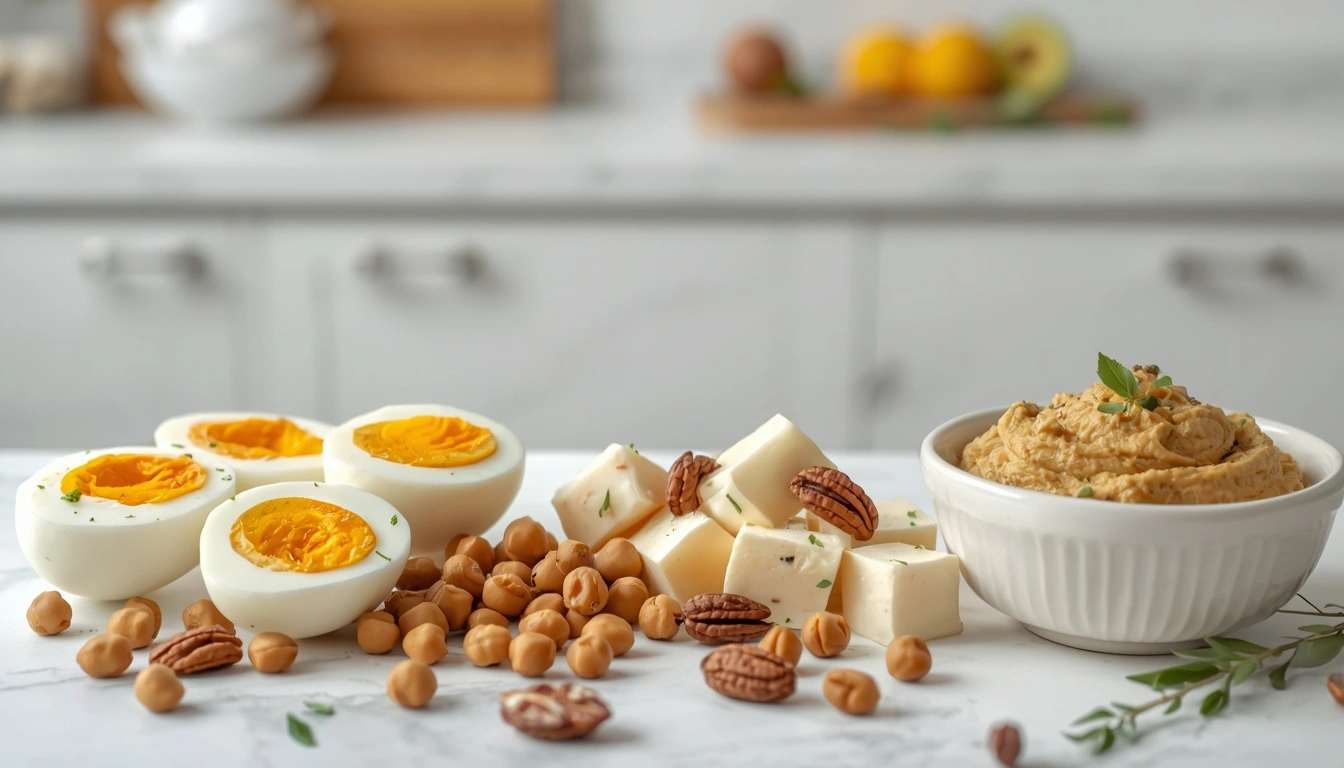
Healthy pregnancy snacks that contain protein can be especially useful when you want something more satisfying between meals. For more protein-rich snack ideas, check out our Healthy Protein Snacks guide.
Some easy choices include:
- Thoroughly cooked eggs
- Pasteurized Greek yogurt
- Paneer
- Cottage cheese
- Chickpeas
- Lentils
- Hummus
- Nuts and nut butters
- Seeds
- Milk or suitable fortified alternatives
ACOG lists eggs, beans, peas, nuts, seeds, meat, poultry, seafood, and processed soy products among protein foods, while dairy products such as milk, cheese, and yogurt can also contribute to a balanced diet.
Rather than eating the same thing every day, rotate your choices. It makes healthy eating much less boring.
Healthy Snacks for Pregnancy Cravings
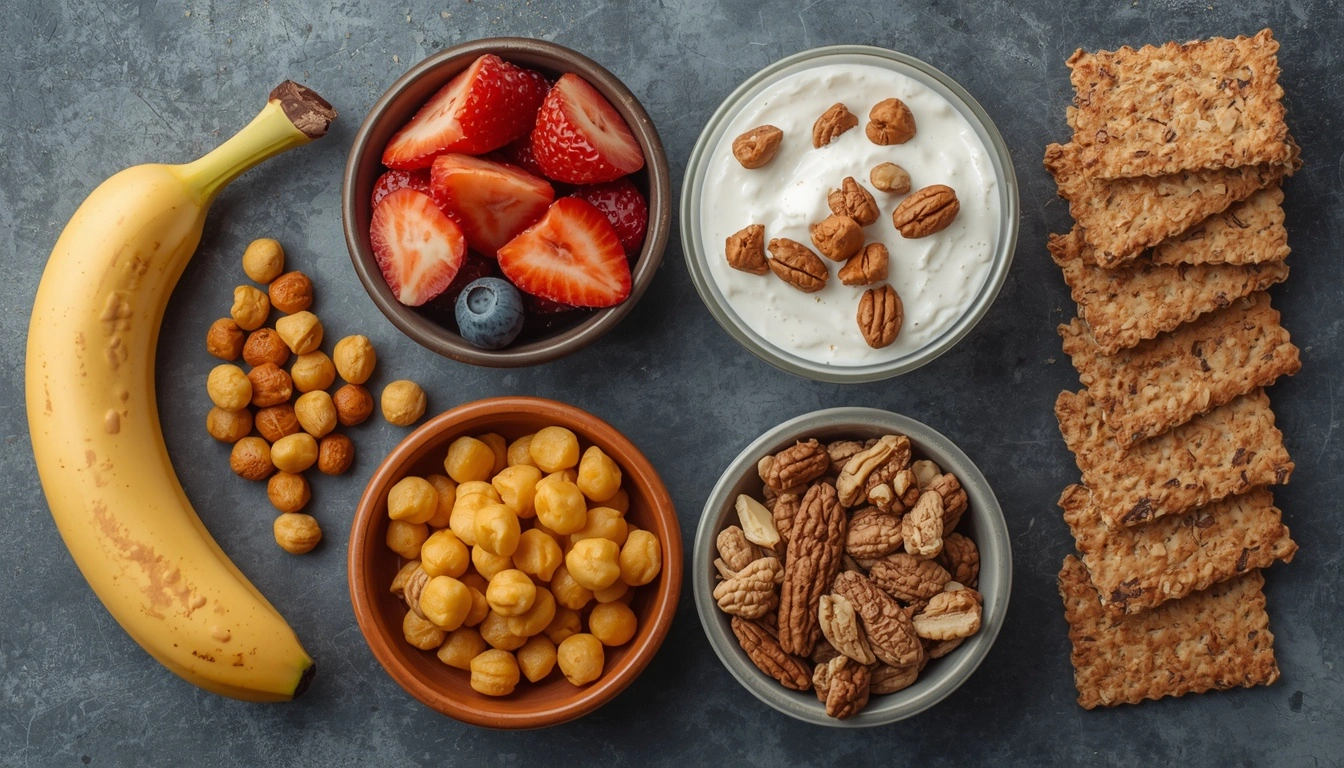
Pregnancy cravings can be intense. One afternoon you might want chocolate; the next day, something salty and crunchy suddenly sounds perfect.
The goal isn’t to feel guilty about cravings. Instead, keep some healthy pregnancy snacks around that can fit the craving.
For sweet cravings:
- Banana with peanut butter
- Fruit with yogurt
- Oatmeal with fruit
- Chia pudding
For crunchy cravings:
- Roasted chickpeas
- Makhana
- Nuts
- Whole-grain crackers
For savory cravings:
- Besan chilla
- Paneer with vegetables
- Dal chaat
- Egg with toast
Foods high in sugar or saturated fat do not have to disappear completely, but pregnancy nutrition guidance recommends having these foods less often and in smaller amounts.
What Is the Best Healthy Pregnancy Snack?
There is no single best snack for every pregnant woman. A good choice is one that you enjoy, tolerate well, provides useful nutrients, and fits your individual dietary needs. Simple combinations such as yogurt with fruit, an egg with whole-grain toast, or fruit with nuts are practical starting points.
Healthy Snacks for Early Pregnancy
Early pregnancy can be difficult when nausea or food aversions make normal meals unappealing.
This is where healthy pregnancy snacks can become especially practical. Instead of forcing yourself to eat a large meal, you may find smaller, more frequent portions easier to manage.
ACOG suggests options such as dry toast or crackers in the morning and smaller, frequent meals when nausea is a problem. It also suggests foods such as nuts and fruit when tolerated.
Try simple options such as:
- Crackers
- Dry toast
- Banana
- Apple
- Yogurt
- Nuts
- Oatmeal
And remember: if a particular healthy food suddenly makes you nauseous, don’t force it. During pregnancy, tolerance matters too.
If vomiting is severe or you’re unable to keep food or fluids down, contact your healthcare professional.
Healthy Snacks During Pregnancy: Don't Forget Food Safety
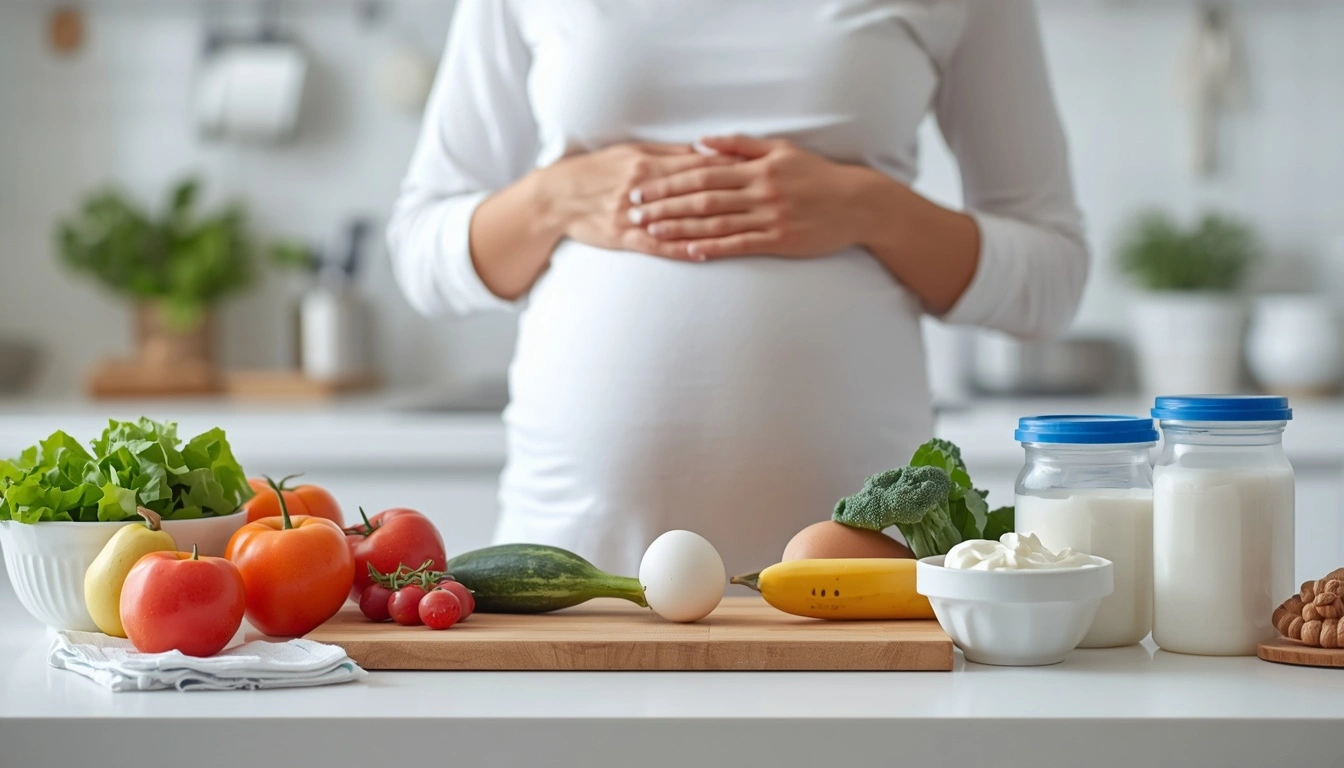
Nutrition is only half the story. Healthy pregnancy snacks also need to be prepared, stored, and handled safely.
During pregnancy, avoid raw or undercooked seafood, eggs, meat, and poultry. Choose pasteurized milk and dairy products, wash fruits and vegetables thoroughly, and avoid raw or lightly cooked sprouts. Certain high-mercury fish, including shark, swordfish, and marlin, should also be avoided during pregnancy.
Keep raw foods separate from ready-to-eat foods, and wash your hands, utensils, and food-preparation surfaces after handling raw meat, seafood, or eggs. For foods that need refrigeration, refrigerate them promptly and follow the storage instructions and use-by dates on the package.
If you’re buying ready-to-eat foods, check storage instructions and expiration or use-by dates. Don’t eat foods that have been stored incorrectly or left at room temperature for an extended period.
This may sound like a small detail, but it matters. A nutritious food is not automatically a safe food if it has been handled or stored incorrectly.
Practical Tips for Better Pregnancy Snacking
Here are a few simple habits that make healthy pregnancy snacks easier to maintain.
1. Prepare Two or Three Options Ahead
Wash fruit, portion nuts, prepare yogurt bowls, or roast chickpeas before the busy part of the day begins.
Planning a few snacks ahead can make busy days easier. Our 15 Simple Meal Prep Ideas for Busy People offer helpful meal-prep inspiration.
2. Keep an Office Snack Box
If you’re working, keep suitable shelf-stable foods such as nuts or whole-grain crackers nearby.
3. Combine Protein With Other Foods
Fruit alone may not feel satisfying for long. Try fruit with yogurt, toast with egg, or vegetables with hummus.
4. Keep Water Nearby
ACOG recommends drinking throughout the day and gives 8–12 cups of water daily as a general pregnancy target, although individual needs can vary.
5. Make Snacks Visible
If nuts are hidden in a cupboard while biscuits are sitting beside your tea, you already know which one is easier to grab.
A little preparation can make the healthier choice the convenient choice.
Common Mistakes to Avoid
Even with good intentions, pregnancy snacking can go off track.
Relying only on packaged snacks: They are convenient, but keeping fruit, nuts, yogurt, or homemade options available gives you more variety.
Forgetting protein: A snack made entirely of refined carbohydrates may not be very satisfying.
Trying to follow a strict diet: Pregnancy is not the time for unnecessary restriction or aggressive weight-loss dieting. Your nutritional needs are individual.
Ignoring food safety: Raw eggs, undercooked meat, unpasteurized dairy, and raw sprouts can present avoidable food-safety risks.
Copying another woman’s diet: Pregnancy experiences differ. A woman with gestational diabetes, food allergies, anemia, severe nausea, or another condition may need different advice. If you are considering prenatal vitamins or other supplements, talk with your healthcare provider about what is appropriate for you.
Benefits of Choosing Nutritious Pregnancy Snacks
Regular nutritious snacks can make daily eating easier. They can help you:
- Manage hunger between meals
- Add more variety to your diet
- Include protein and fiber
- Handle cravings more thoughtfully
- Have convenient food available on busy days
- Avoid becoming extremely hungry before your next meal
The benefit is often very practical. When you already have a good snack prepared, you’re less likely to reach for whatever happens to be sitting on the kitchen counter.
Finding healthy pregnancy snacks does not mean preparing complicated recipes every day or following a perfect meal plan. Real life doesn’t work that way. Some days you may prepare besan chilla or a yogurt bowl; on another day, a banana and a handful of nuts may be all you have time for.
What matters is having a few nutritious choices that you actually enjoy and can easily fit into your routine.
Whether you’re preparing food at home in India, packing snacks for an office in London, or grabbing something between appointments in New York, the principle is the same: keep simple, nutritious options within reach and pay attention to food safety.
If you have gestational diabetes, severe nausea or vomiting, food allergies, anemia, or another medical or dietary concern, speak with your obstetrician, midwife, or registered dietitian for advice tailored to you.
Healthy pregnancy snacks should make pregnancy eating easier—not another source of stress.
FAQs About Healthy Pregnancy Snacks
Item #1
What are the healthiest pregnancy snacks?
Fruit with pasteurized yogurt, thoroughly cooked eggs with whole-grain toast, nuts, roasted chickpeas, paneer with vegetables, oatmeal, and hummus with vegetables are practical choices. Your individual dietary needs should guide your choices.
Item #2
What are good protein snacks during pregnancy?
Eggs, pasteurized yogurt, paneer, cottage cheese, chickpeas, lentils, nuts, seeds, and nut butters are examples of protein-rich foods that can fit into a balanced pregnancy diet.
Item #3
What can I eat for pregnancy cravings?
For sweet cravings, try fruit with yogurt or banana with peanut butter. For crunchy cravings, consider roasted chickpeas, makhana, nuts, or whole-grain crackers.
Item #4
Are snacks useful during early pregnancy?
They can be helpful when nausea makes large meals difficult. ACOG recommends small, frequent meals and suggests simple foods such as crackers, toast, fruit, and nuts when tolerated.
Item #5
Can I eat paneer during pregnancy?
Pasteurized paneer can fit into a balanced pregnancy diet. Check that the product is pasteurized and has been stored safely.
Item #6
What foods should I avoid during pregnancy?
Avoid raw or undercooked seafood, eggs, meat, and poultry, unpasteurized milk and dairy products, and raw or lightly cooked sprouts. Certain high-mercury fish, including shark, swordfish, and marlin, should also be avoided. Wash fruits and vegetables thoroughly, keep raw foods separate from ready-to-eat foods, and follow safe storage and refrigeration practices.