
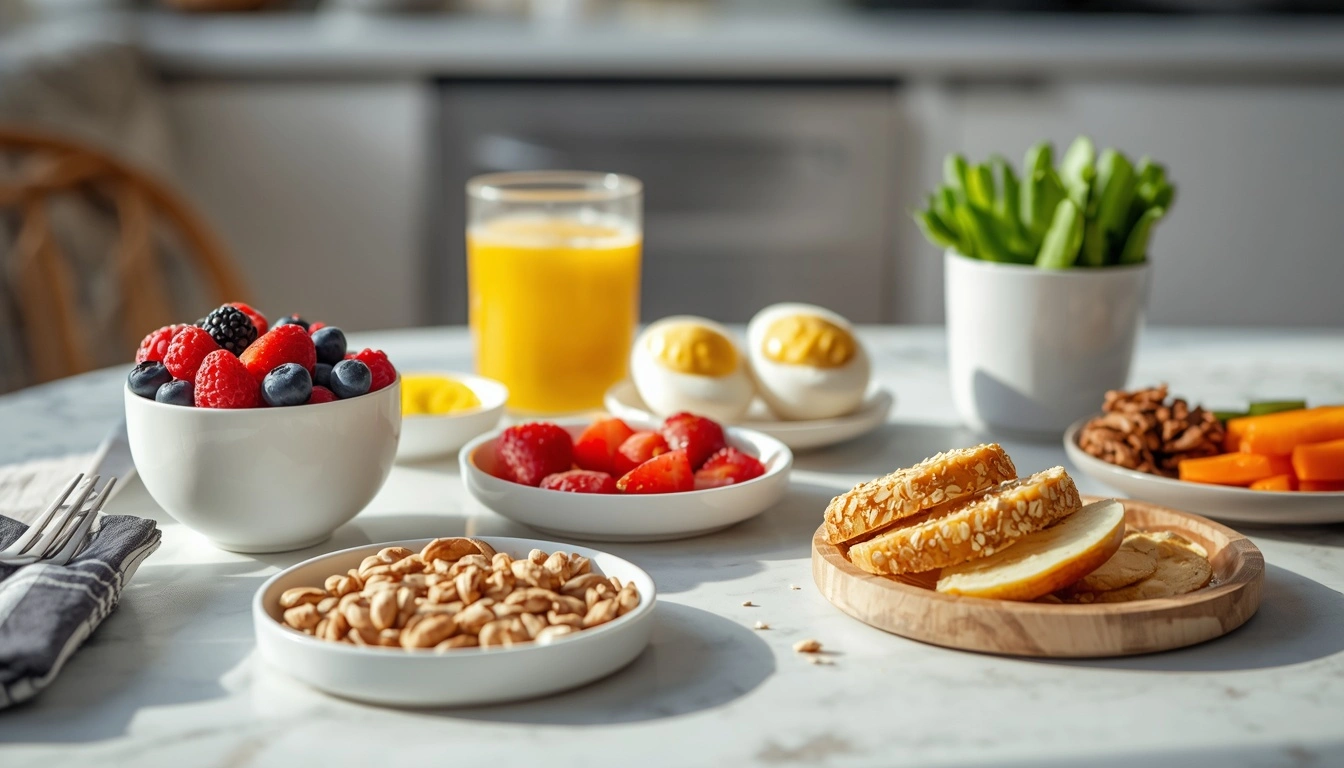
Healthy Snacks can make a big difference in your daily diet, especially when life gets busy. Between office deadlines, household responsibilities, long commutes, and endless to-do lists, it’s easy to reach for chips, cookies, or sugary drinks when hunger strikes. If you’re like most people, you’ve probably promised yourself to eat healthier, only to end up grabbing whatever is quick and convenient.
In India, it’s common to enjoy fried snacks with evening tea, while many people around the world rely on packaged foods during busy workdays. These habits may satisfy hunger for a short time, but they often lead to energy crashes and frequent cravings.
The good part is that healthy eating doesn’t have to be complicated or expensive. Choosing the right Healthy Snacks can help you stay energized, improve concentration, reduce overeating, and support goals like weight loss, muscle gain, or simply maintaining a balanced lifestyle. Even small changes—such as replacing chips with roasted chickpeas or choosing fruit instead of candy—can have a lasting impact on your health.
This complete guide explains how to choose nutritious snacks, what nutrients to look for, healthy snack ideas for different lifestyles, common mistakes to avoid, and practical tips to make healthy snacking part of your everyday routine.
Table of Contents
What Are Healthy Snacks?
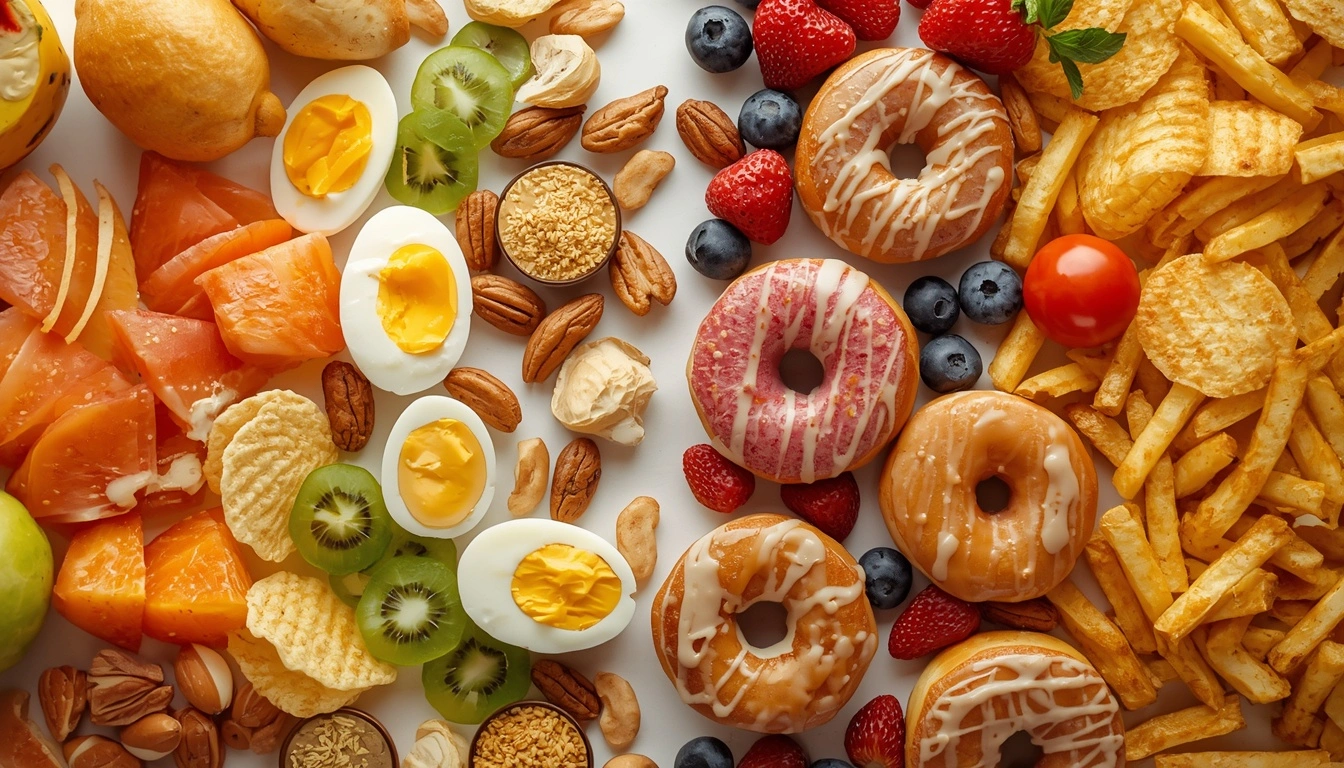
Healthy Snacks are small meals or foods eaten between regular meals that provide important nutrients instead of empty calories. They help control hunger, maintain steady energy, and support overall health without replacing balanced meals.
Unlike processed snacks that are often high in sugar, unhealthy fats, and sodium, healthy snack options are made from nutrient-rich foods. They usually contain a combination of protein, fiber, healthy fats, vitamins, and minerals that keep you satisfied for longer.
Healthy Snacks vs. Unhealthy Snacks
| Healthy Snacks | Unhealthy Snacks |
| Fresh fruits | Candy |
| Greek yogurt | Sugary desserts |
| Boiled eggs | Potato chips |
| Mixed nuts | Fried snacks |
| Roasted chickpeas | Sugary drinks |
| Vegetable sticks | Processed packaged foods |
The biggest difference is nutritional quality. Healthy snacks nourish your body, while unhealthy snacks often provide lots of calories with very little nutrition.
What Are the Best Healthy Snacks?
The best Healthy Snacks combine protein, fiber, and healthy fats to keep you full and energized. Great options include Greek yogurt, boiled eggs, mixed nuts, roasted chickpeas, fruit with peanut butter, cottage cheese, and vegetable sticks with hummus. These foods are nutritious, easy to prepare, and suitable for most healthy eating plans.
Why Healthy Snacks Matter
Many people think snacks are unhealthy, but the truth is that the right snacks can improve your diet. Eating nutritious foods between meals helps prevent extreme hunger and supports healthier food choices throughout the day.
Some of the biggest benefits of healthy snacks include:
- Better energy: Protein and complex carbohydrates provide steady energy instead of sudden sugar crashes.
- Reduced hunger: Balanced snacks help control cravings and may prevent overeating at lunch or dinner.
- Improved nutrition: Snacks are another opportunity to add fruits, vegetables, dairy, nuts, and whole grains to your diet.
- Blood sugar support: Pairing protein with fiber may help maintain more stable energy levels.
- Weight management: Planned snacks can fit into a balanced eating plan and help reduce unhealthy cravings.
What Makes a Snack Healthy?
Not every product labeled “healthy” actually deserves that title. Reading the nutrition label and understanding the ingredients is more important than trusting marketing claims.
A nutritious snack should include most of these qualities:
- High in protein to help keep you full.
- Rich in fiber for better digestion.
- Healthy fats from nuts, seeds, or avocado.
- Whole-food ingredients whenever possible.
- Low added sugar and limited artificial ingredients.
- Reasonable portion size to avoid overeating.
Choosing snacks with these characteristics makes it easier to build healthier eating habits without feeling restricted.
Best Nutrients to Look for in Healthy Snacks
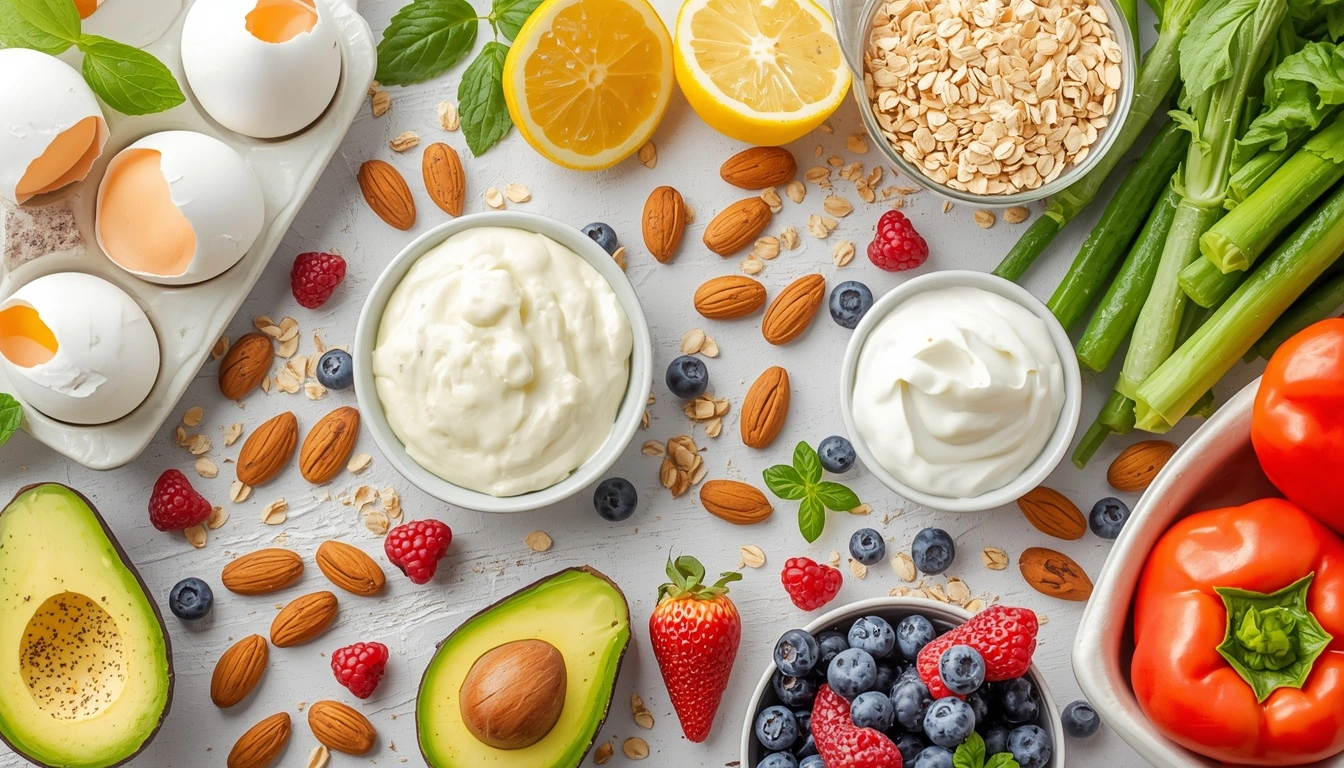
Choosing the right Healthy Snacks becomes much easier when you know what nutrients your body needs. A nutritious snack should do more than satisfy hunger—it should provide lasting energy, support your health goals, and keep you feeling full until your next meal.
Instead of focusing only on calories, look for snacks that contain protein, fiber, healthy fats, vitamins, minerals, and complex carbohydrates.Harvard T.H. Chan School of Public Health – The Nutrition Source
| Nutrient | Why It Matters | Healthy Food Sources |
|---|---|---|
| Protein | Keeps you full and supports muscle health | Boiled eggs, Greek yogurt, paneer, roasted chickpeas |
| Fiber | Improves digestion and helps control hunger | Apples, berries, oats, vegetables, chia seeds |
| Healthy Fats | Provides long-lasting energy | Almonds, walnuts, peanuts, avocado |
| Vitamins & Minerals | Support immunity and overall health | Fruits, vegetables, dairy products |
| Complex Carbohydrates | Provide steady energy | Oats, sweet potatoes, whole-grain bread |
Protein
Protein helps repair muscles and keeps you satisfied for longer. Adding protein-rich snacks between meals can also reduce unnecessary cravings.
Good choices include boiled eggs, Greek yogurt, cottage cheese (paneer), roasted chickpeas, and mixed nuts.
Fiber
Fiber supports healthy digestion and slows digestion, helping you stay full. Fruits, vegetables, oats, sprouts, and chia seeds are excellent sources of fiber.
Healthy Fats
Healthy fats provide long-lasting energy and support heart health. Nuts, seeds, peanut butter, and avocado are nutritious options when eaten in moderate portions.
Vitamins, Minerals & Complex Carbohydrates
Fresh fruits, vegetables, dairy products, and whole grains provide essential vitamins, minerals, and steady energy that help support a balanced diet.
How to Choose Healthy Snacks
Walking through a supermarket can be confusing because many products claim to be “healthy.” Honestly, attractive packaging doesn’t always mean better nutrition.
Here are a few simple tips for choosing better snack options.
- Read nutrition labels to check protein, fiber, sugar, and sodium. Understanding food labels can help you make better choices when selecting packaged snacks. U.S. Food & Drug Administration – Nutrition Facts Label
- Choose whole foods whenever possible instead of heavily processed snacks.
- Limit added sugar, especially in flavored yogurt, cereals, and snack bars.
- Watch portion sizes, even for healthy foods like nuts.
- Keep healthy snacks ready at home, work, or while traveling to avoid unhealthy cravings.
Making small, consistent choices is often more effective than following strict diets.
Healthy Snacks for Different Goals
Different people have different nutrition needs. Choosing the right snack depends on your lifestyle and health goals.
Healthy Snacks for Weight Loss
Protein and fiber-rich snacks can help control hunger and reduce unnecessary cravings.
Good options include:
- Greek yogurt with berries
- Boiled eggs
- Apple with peanut butter
- Cottage cheese
- Roasted chickpeas
Related: 7 Day Protein Diet Plan for Weight Loss: Simple Meal Plan for Beginners
Healthy Snacks for Muscle Gain
People trying to build muscle should choose snacks that provide quality protein along with healthy carbohydrates.
Good options include:
- Paneer
- Greek yogurt
- Boiled eggs
- Peanut butter toast
- Protein smoothies
Related: 20 High Protein Foods List (2026 Guide).
Healthy Snacks for Kids
Children need snacks that provide energy and nutrients for healthy growth.
Healthy choices include:
- Fresh fruit
- Cheese cubes
- Yogurt
- Peanut butter sandwiches
- Homemade vegetable wraps
Healthy Snacks for Office Workers
Busy workdays often lead to unhealthy snacking. Keeping nutritious foods at your desk makes healthier choices easier.
Simple options include:
- Mixed nuts
- Roasted makhana
- Fresh fruit
- Whole-grain crackers
- Unsweetened yogurt
Healthy Snacks for Busy Professionals
If your schedule is always full, choose grab-and-go snacks that require little preparation.
Examples include bananas, boiled eggs, homemade trail mix, roasted chickpeas, and mixed nuts.
Healthy Snacks for People with Diabetes
People managing diabetes should focus on snacks rich in protein and fiber while limiting added sugar.
Examples include:
- Boiled eggs
- Greek yogurt
- Mixed nuts
- Vegetable sticks with hummus
- Roasted chickpeas
Always follow your healthcare provider’s advice for personalized nutrition and diabetes-friendly food choices. American Diabetes Association – Nutrition
Common Healthy Snack Mistakes
Even with good intentions, small mistakes can reduce the benefits of Healthy Snacks.
Eating Large Portions
Healthy foods still contain calories. Eating large amounts of nuts or dried fruit can quickly increase calorie intake.
Trusting “Healthy” Labels
Many packaged foods marketed as healthy may still contain added sugar or excess sodium. Always check the ingredient list.
Skipping Protein
Snacks that contain only refined carbohydrates may leave you hungry again within a short time. Including protein helps keep you satisfied.
Mindless Snacking
Eating while watching TV or working often leads to overeating. Try to enjoy your snacks without distractions.
Drinking Sugary Beverages
Soft drinks, sweetened coffee, and packaged fruit juices can add unnecessary sugar and calories. Water or unsweetened beverages are healthier alternatives.
Healthy Snack Ideas
Choosing Healthy Snacks doesn’t have to be expensive or complicated. In fact, many nutritious snacks are already available in your kitchen. The best snacks are those that combine protein, fiber, and healthy fats to keep you full and energized between meals.
Here are some simple and nutritious snack ideas:
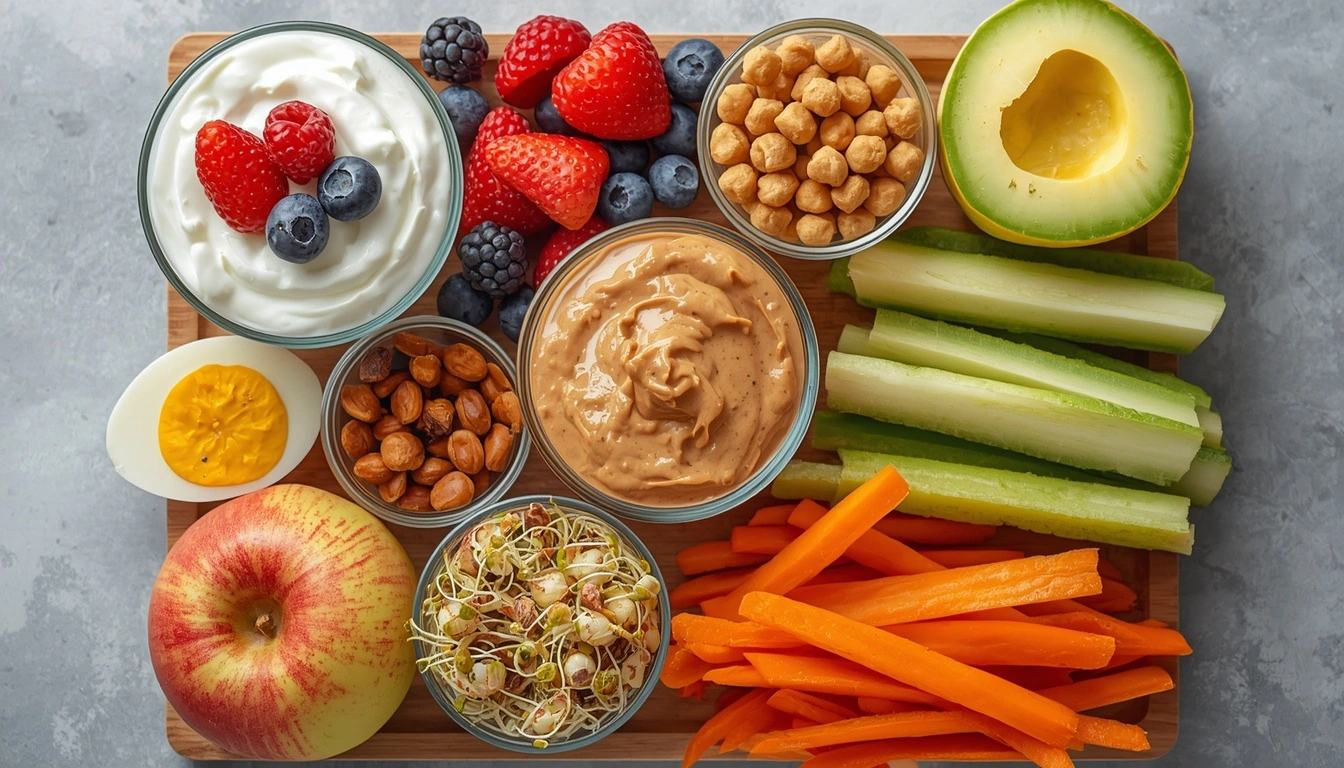
| Healthy Snack | Main Nutrients | Best For |
| Greek yogurt with berries | Protein, calcium, antioxidants | Breakfast or evening snack |
| Mixed nuts | Healthy fats, protein, fiber | Mid-morning energy |
| Boiled eggs | High-quality protein | Muscle gain & weight management |
| Apple with peanut butter | Fiber, healthy fats | Long-lasting fullness |
| Cottage cheese (Paneer) | Protein, calcium | High-protein snack |
| Roasted chickpeas | Plant protein, fiber | Healthy crunchy snack |
| Fruit with mixed nuts | Vitamins, healthy fats | Balanced nutrition |
| Vegetable sticks with hummus | Fiber, protein | Light afternoon snack |
| Homemade trail mix | Healthy fats, minerals | Office or travel snack |
| Sprouts salad | Protein, vitamins, fiber | Healthy evening snack |
The good part is that you don’t need expensive “superfoods” to eat healthy. Simple homemade snacks often provide better nutrition than heavily processed packaged foods.
Looking for more snack ideas? Read our detailed guide: 15 Best Healthy Snacks for Weight Loss (High Protein & Low Calorie).
Foods to Avoid as Snacks
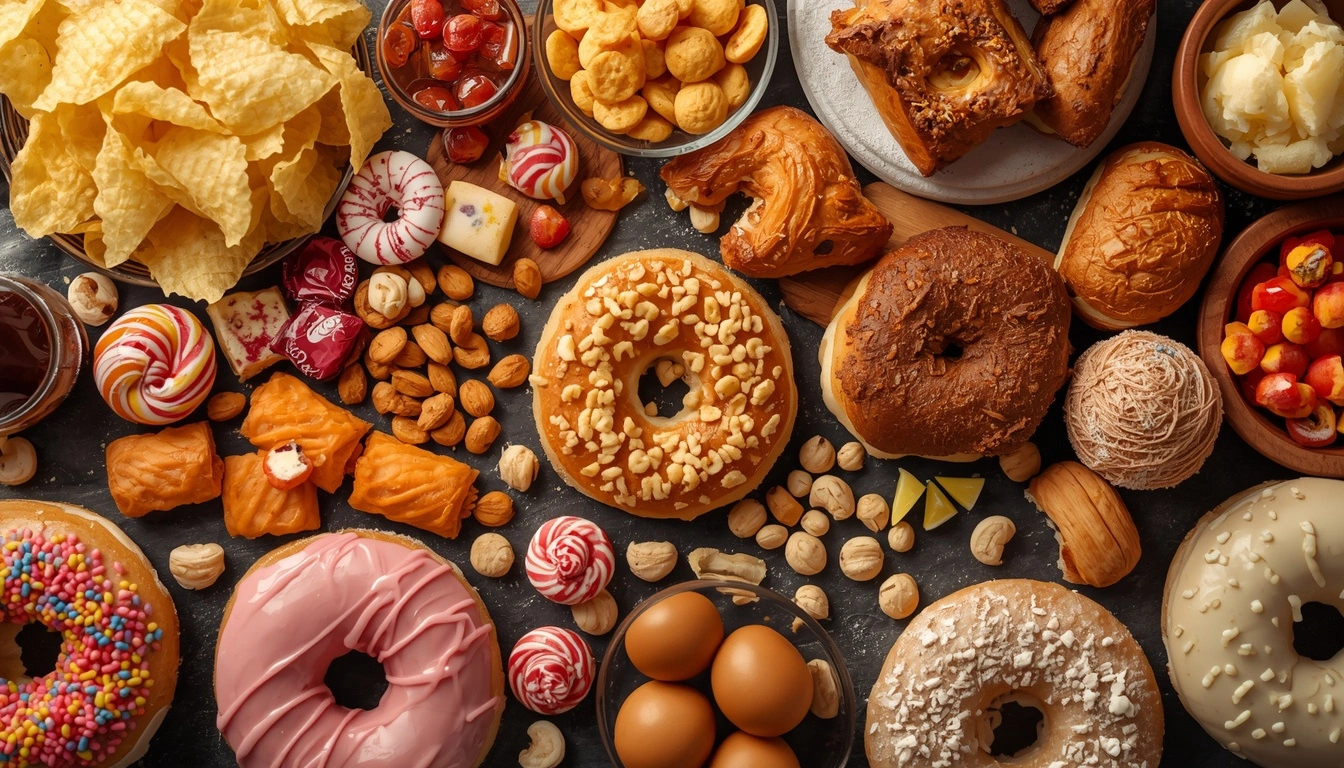
While occasional treats are perfectly fine, relying on highly processed snacks every day may affect your overall diet. Try to limit these foods whenever possible:
- Potato chips – High in unhealthy fats and sodium.
- Candy and chocolates – Loaded with added sugar and low in nutrients.
- Sugary drinks – Provide extra calories without keeping you full.
- Pastries and doughnuts – High in refined flour, sugar, and unhealthy fats.
- Highly processed packaged snacks – Often contain artificial ingredients and excess sodium.
Instead, choose whole-food snacks that provide lasting energy and better nutrition.
Practical Healthy Snacking Tips
Building healthy eating habits doesn’t require major lifestyle changes. Small daily improvements often make the biggest difference.
- Plan your snacks before you feel hungry.
- Keep fresh fruits and nuts within easy reach.
- Prepare boiled eggs or roasted chickpeas in advance.
- Pair protein with fiber for better fullness.
- Drink enough water throughout the day.
- Read nutrition labels before buying packaged snacks.
- Practice portion control, even with healthy foods.
- Carry healthy snacks while traveling or working.
- Avoid eating directly from large packets.
- Focus on consistency rather than perfection.
Conclusion
Healthy Snacks are a simple yet effective way to improve your daily nutrition. By choosing snacks rich in protein, fiber, healthy fats, and whole-food ingredients, you can maintain steady energy, manage hunger, and support your long-term health goals.
Remember, healthy eating isn’t about perfection—it’s about making better choices consistently. Start with one small change, such as replacing chips with roasted chickpeas or choosing fruit instead of sugary desserts. Over time, these simple habits can become part of a healthier lifestyle.
If you’re looking to build a more nutritious diet, don’t miss these related guides:
Every healthy choice matters, and the snack you choose today can help build healthier habits for tomorrow.
Frequently Asked Questions
Item #1
What is the healthiest snack?
The healthiest snacks are nutrient-dense foods that contain protein, fiber, and healthy fats. Examples include Greek yogurt, boiled eggs, fresh fruit, mixed nuts, roasted chickpeas, and vegetable sticks with hummus.
Item #2
Are Healthy Snacks good for weight loss?
Yes. Healthy Snacks can support weight loss by helping control hunger between meals. Choosing high-protein and high-fiber snacks may reduce cravings and prevent overeating.
Item #3
How many healthy snacks should I eat each day?
Most adults can enjoy one or two healthy snacks daily, depending on their calorie needs, activity level, and meal schedule.
Item #4
Can healthy snacks replace meals?
No. Healthy snacks are designed to complement balanced meals, not replace them. A complete meal usually provides a wider variety of nutrients.
Item #5
What snacks are high in protein?
Boiled eggs, Greek yogurt, cottage cheese, roasted chickpeas, mixed nuts, protein smoothies, and paneer are excellent high-protein snack options.