

Table of Contents
Introduction
Top 5 Foods to Avoid for Better Energy and Health can have a significant impact on your daily energy levels, focus, and overall well-being.
Have you ever finished a long workday feeling completely drained, even though you ate enough food throughout the day?
You’re not alone. Between office stress, family responsibilities, household chores, and endless daily distractions, many people rely on convenience foods just to get through the day. Sometimes it’s a packet of chips during a meeting. Other times it’s a sugary drink when energy levels crash in the afternoon.
A few years ago, I noticed something interesting while talking to friends and colleagues. Most of them believed they were eating enough, yet they constantly complained about fatigue, brain fog, and low motivation. The common factor wasn’t a lack of food—it was the type of food they were eating.
In India, this might mean relying on packaged snacks with evening chai. In other countries, it could be grabbing fast food between meetings or eating sugary cereals for breakfast. The habits may look different, but the result is often the same: temporary satisfaction followed by an energy crash.
The good part is that improving your energy and health doesn’t always require adding expensive superfoods to your diet. Sometimes the biggest improvement comes from reducing foods that work against your body’s natural energy levels.
This guide explores the top 5 foods to avoid for better energy and health, why they affect your body, and healthier alternatives that can help you feel more energized throughout the day.
What Is the Best Top 5 Foods to Avoid for Better Energy and Health?
The best foods to avoid for better energy and health are highly processed foods that cause rapid blood sugar spikes and crashes. These commonly include sugary drinks, processed snacks, refined carbohydrates, deep-fried foods, and sugary desserts.
Reducing these foods and replacing them with whole, nutrient-dense options can support stable energy levels, better digestion, and improved overall health.
Why Some Foods Leave You Feeling Tired

What most people don’t realize is that energy crashes often start hours before they happen. A sugary breakfast or a processed afternoon snack can seem harmless at the time, but the effects usually show up later when concentration drops and fatigue sets in.
Another important point is that feeling tired isn’t always caused by a lack of sleep. Food plays a major role in how energetic or sluggish you feel throughout the day. Certain foods provide steady energy, while others create short bursts of energy followed by sudden crashes.
Understanding the Top 5 Foods to Avoid for Better Energy and Health can help prevent these energy crashes and improve daily performance.
Top 5 Foods to Avoid for Better Energy and Health
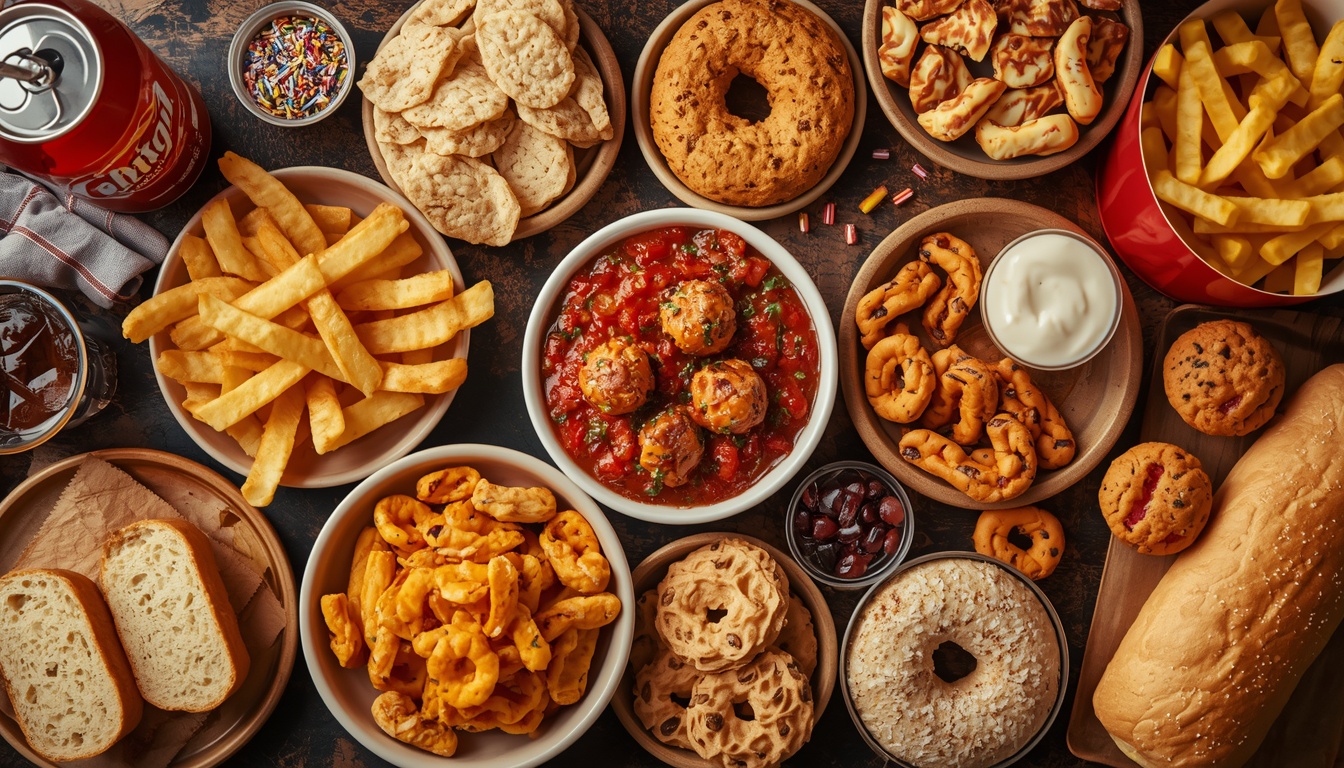
1. Sugary Drinks
Sugary beverages are one of the biggest energy traps.
This includes:
- Soft drinks
- Energy drinks
- Sweetened fruit juices
- Excessively sweet coffee beverages
They may provide a quick boost initially, but that energy spike usually doesn’t last long. Once blood sugar levels drop, fatigue often follows.
What feels like a quick energy boost can sometimes lead to an even bigger energy crash later in the day. Consuming too many added sugars is often one of the reasons behind these ups and downs.
Better Alternatives
- Water with lemon
- Coconut water
- Unsweetened tea
- Black coffee in moderation
- Fresh fruit-infused water
In many Indian households, replacing sugary drinks with plain water or unsweetened nimbu pani can make a noticeable difference.
Replacing unhealthy foods with energy-boosting foods can help maintain steady energy levels throughout the day.
2. Highly Processed Snacks
Packaged snacks are convenient, but convenience often comes at a nutritional cost.
Examples include:
- Chips
- Packaged namkeen
- Crackers
- Instant noodles
- Processed snack bars
These foods are typically high in refined carbohydrates, unhealthy fats, and sodium while offering very little nutritional value.
In my experience, many people reach for these snacks during stressful afternoons because they’re easy to grab. Unfortunately, they rarely keep you full for long.
Better Alternatives
- Roasted chickpeas
- Mixed nuts
- Fresh fruit
- Greek yogurt
- Homemade trail mix
These options provide nutrients that support longer-lasting energy.
3. Refined White Bread and Refined Carbohydrates
White bread, pastries, and many refined grain products digest quickly and can cause rapid increases in blood sugar.
This category includes:
- White bread
- White pasta
- Many packaged baked goods
- Sugary breakfast cereals
The energy boost may feel good initially, but it often fades quickly.
Better Alternatives
Choose:
- Whole grain bread
- Oats
- Brown rice
- Quinoa
- Whole wheat roti
These foods provide fiber and help maintain more stable energy levels.
4. Deep-Fried Foods
Few foods are as tempting as crispy fried snacks.
Whether it’s fries, fried chicken, pakoras, or other deep-fried favorites, these foods are often high in unhealthy fats and calories.
Honestly, most people don’t feel energized after eating a large fried meal. Instead, they often feel heavy, sluggish, and less productive.
Better Alternatives
Try:
- Air-fried foods
- Roasted vegetables
- Grilled proteins
- Baked snacks
You can still enjoy flavor and texture without relying heavily on deep frying.
5. Excessive Sugary Desserts
Desserts can absolutely fit into a balanced lifestyle, but excessive consumption is where problems begin.
Common examples include:
- Cakes
- Donuts
- Cookies
- Candy
- Ice cream consumed frequently in large portions
The problem isn’t necessarily enjoying a treat occasionally. The issue is when sugary desserts become a daily habit.
Better Alternatives
Consider:
- Fresh fruit
- Dark chocolate in moderation
- Greek yogurt with berries
- Homemade fruit-based desserts
These options satisfy cravings while providing more nutritional value.
Benefits of Avoiding These Foods

One of the biggest benefits of following the Top 5 Foods to Avoid for Better Energy and Health is maintaining steady energy throughout the day.
The good part is that you don’t need a perfect diet to notice improvements. Many people start feeling better simply by reducing one or two unhealthy habits and replacing them with more balanced options.
Reducing these foods can lead to several positive changes.
More Stable Energy
You are less likely to experience dramatic energy crashes throughout the day.
You are less likely to experience dramatic energy crashes throughout the day.
Better Focus and Productivity
Steady energy often supports improved concentration and mental performance.
Improved Digestion
Whole foods generally contain more fiber and nutrients that support digestive health.
Easier Weight Management
Many highly processed foods are calorie-dense but not very filling.
Better Long-Term Health
Reducing excess sugar and processed foods may support heart health, metabolic health, and overall well-being.
The surprising thing is that many people notice small improvements within just a few weeks of making better food choices consistently.
Following healthy eating guidelines can help support long-term health, stable energy levels, and better overall nutrition.
Practical Tips for Making Healthier Choices
Start With One Change
If you are trying to follow the Top 5 Foods to Avoid for Better Energy and Health, start with small and sustainable changes.
Don’t try to eliminate everything at once.
Replace one unhealthy habit each week.
Read Food Labels
Many products marketed as healthy still contain large amounts of sugar.
More details about energy-boosting foods are given below.
Keep Healthy Snacks Nearby
When healthier options are available, you’re more likely to choose them.
Stay Hydrated
Sometimes what feels like hunger is actually dehydration.
Plan Your Meals
A little preparation can prevent impulsive food choices during busy days.
Common Mistakes People Make
Trying to Be Perfect
Many people completely eliminate their favorite foods and then struggle to maintain the habit.
Balance works better than perfection.
Replacing One Unhealthy Food With Another
A product labeled “healthy” is not always nutritious.
Always check ingredients.
Ignoring Portion Sizes
Even healthier foods should be eaten in reasonable portions.
Expecting Instant Results
Better energy and health improvements often happen gradually.
Consistency matters more than speed.
How Healthy Eating Fits Into Real Life
In my experience, successful healthy eating isn’t about following a perfect diet.
A busy professional in Mumbai may focus on reducing sugary tea and packaged snacks. A student in Canada might cut back on energy drinks and fast food. A parent in London may choose homemade lunches instead of convenience meals.
The details may vary, but the principle remains the same: making small, sustainable improvements over time.
Some people focus on better energy. Others want improved digestion, weight management, or overall wellness. Whatever the goal, reducing highly processed foods is often a practical place to start.
Conclusion
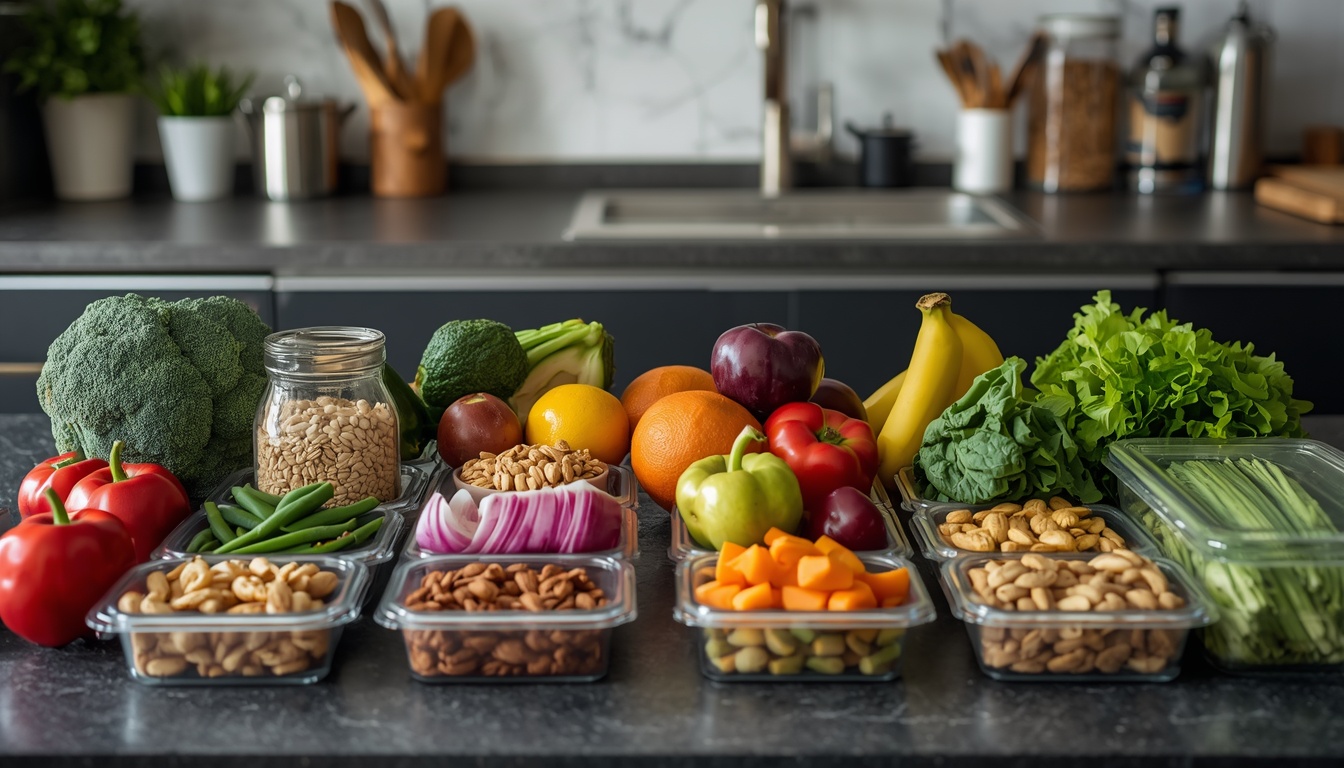
These top 5 foods to avoid for better energy and health can have a major impact on your daily energy levels and long-term wellness.
In my experience, people rarely improve their diet overnight. The most successful changes are usually the smallest ones. Swapping a sugary drink for water or replacing processed snacks with fruit may seem minor, but these small decisions can add up over weeks and months.
The top 5 foods to avoid for better energy and health are not necessarily foods you must eliminate forever. Instead, they are foods that deserve more awareness and moderation.
Small changes can create meaningful results over time. Replacing sugary drinks, processed snacks, refined carbohydrates, deep-fried foods, and excessive sugary desserts with more nutritious alternatives can help support stable energy and better overall health.
Start with one change this week. Pay attention to how you feel. Over time, those small adjustments can become sustainable habits that support your daily energy and long-term well-being.
For more healthy eating tips and practical nutrition advice, explore our related health articles and continue building habits that fit your lifestyle.
Final Thoughts
In my experience, successful healthy eating isn’t about following a perfect diet.
A busy professional in Mumbai may focus on reducing sugary tea and packaged snacks. A student in Canada might cut back on energy drinks and fast food. A parent in London may choose homemade lunches instead of convenience meals.
The details may vary, but the principle remains the same: making small, sustainable improvements over time.
Some people focus on better energy. Others want improved digestion, weight management, or overall wellness. Whatever the goal, reducing highly processed foods is often a practical place to start.
FAQs
Item #1
What foods reduce energy levels the most?
Sugary drinks, processed snacks, and heavily refined carbohydrates are among the most common foods linked to energy crashes.
Item #2
Is it okay to eat these foods occasionally?
Yes. Occasional treats can be part of a balanced lifestyle. The key is moderation and overall dietary patterns.
Item #3
How quickly can I notice better energy after changing my diet?
Some people notice improvements within a few days, while others may take several weeks depending on their lifestyle and eating habits.
Item #4
What should I eat instead of processed snacks?
Fresh fruit, nuts, yogurt, roasted chickpeas, and homemade trail mix are excellent alternatives.
Item #5
Are all carbohydrates bad for energy?
No. Whole grains, oats, quinoa, and brown rice provide carbohydrates along with fiber and nutrients that support steady energy levels.
Item #6
What are the Top 5 Foods to Avoid for Better Energy and Health?
The top 5 foods to avoid for better energy and health are sugary drinks, highly processed snacks, refined carbohydrates, deep-fried foods, and excessive sugary desserts.