
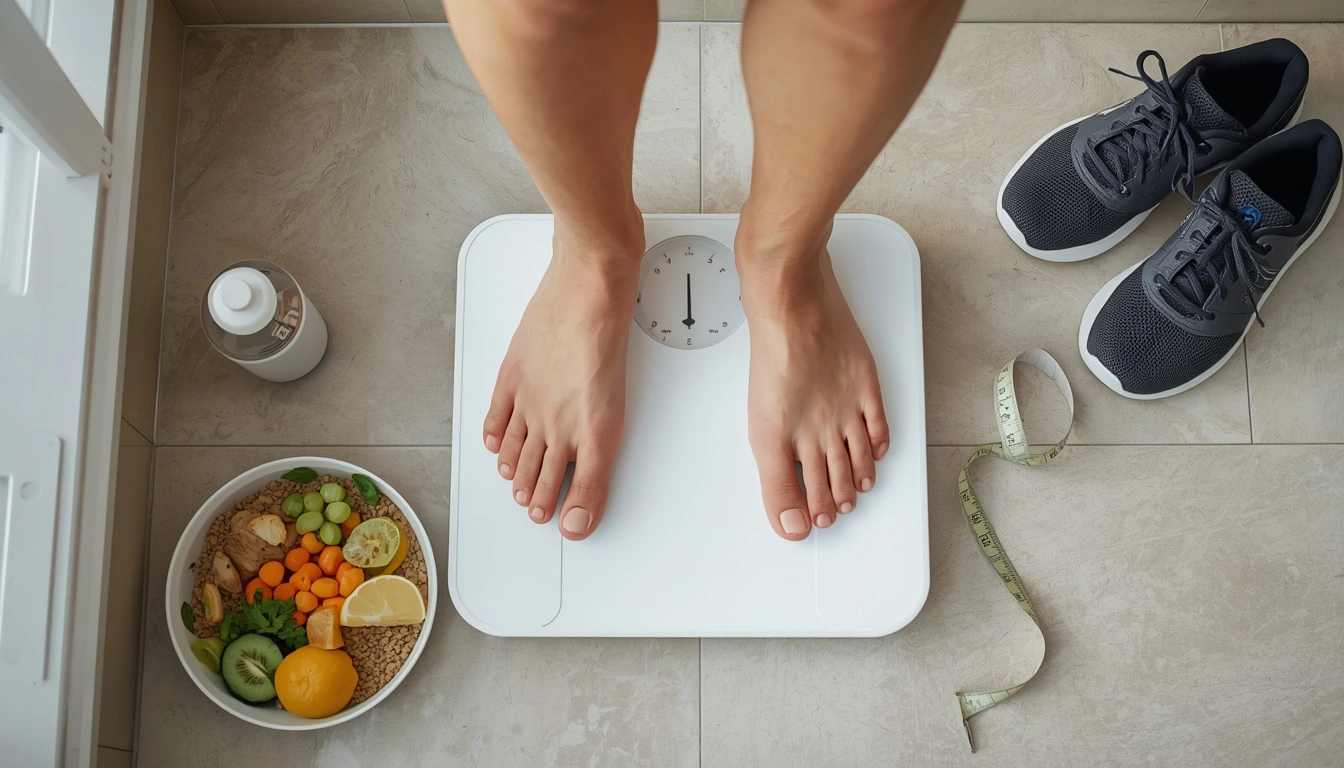
Why am I not losing weight even though you are cutting back on fried food, drinking more water, adding daily walks, and saying no to late-night snacks? Yet, after weeks of effort, you step on the scale—and the number hasn’t budged.
It is one of the most frustrating experiences in any fitness journey.
Before you get discouraged or crash-diet, take a step back. The human body isn’t a simple math equation. Weight loss involves a complex mix of food tracking, fluid balance, sleep quality, stress levels, and daily movement.
Often, your body is changing, but hidden factors can mask your real progress. Here are 9 common reasons why your weight loss may have stalled and practical ways to get back on track.
Table of Contents
1. You Are Eating More Calories Than You Think
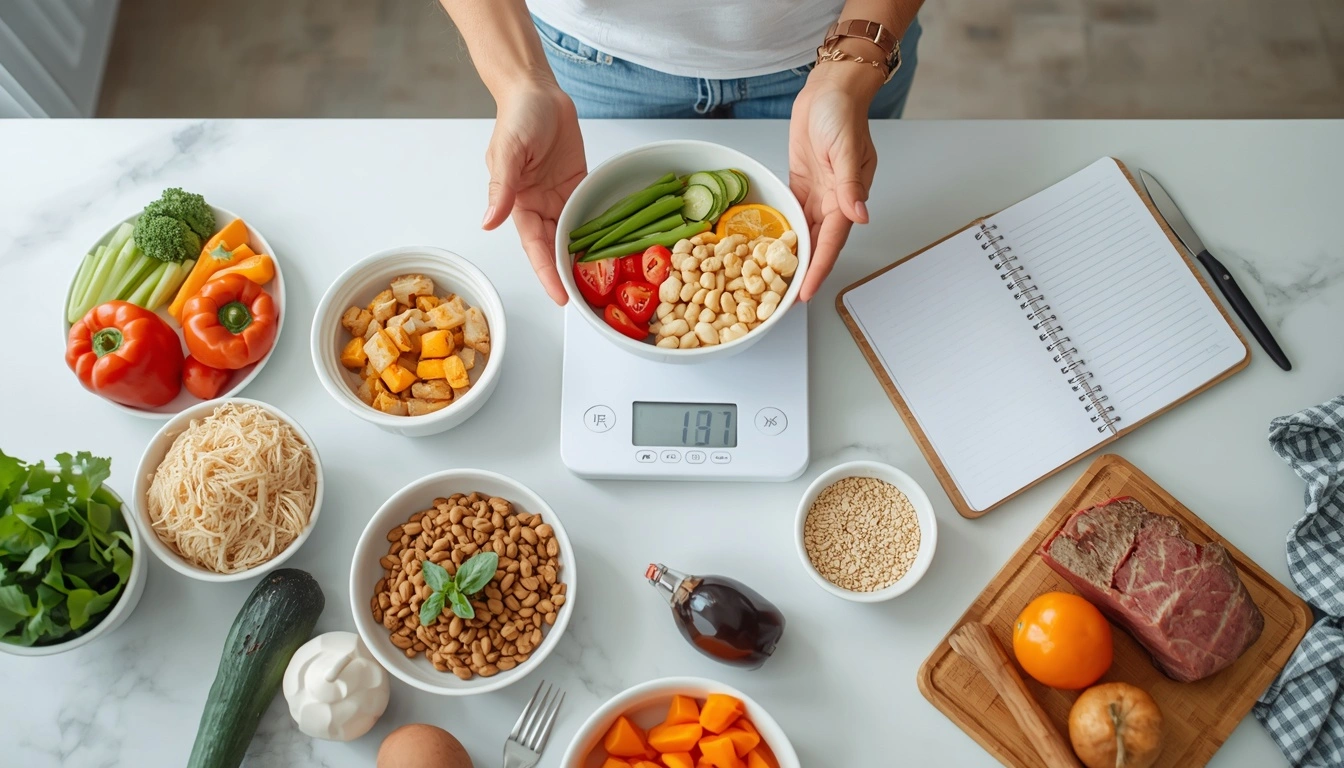
This is the most common culprit behind a weight-loss plateau.
You might feel like you are eating very little, but small untracked extras quietly erase your calorie deficit throughout the day:
- A splash of oil in the pan while cooking
- A quick bite of leftovers while clearing the table
- A handful of nuts or muesli consumed while working
- Dressings, sauces, and dips
These tiny additions may not make you feel full, but together, they can add a significant number of calories to your daily intake.
The Fix: Try tracking everything you eat and drink in a food app for just 3 to 5 days. You don’t need to count calories forever, but a temporary audit helps uncover hidden intake.
If you are wondering why am I not losing weight, checking your daily calorie intake can help you find hidden sources that may be slowing your progress.
2. Your Calorie Deficit Is Smaller Than Calculated
Online TDEE (Total Daily Energy Expenditure) calculators give you an estimated baseline, not an absolute truth.
For a more personalized estimate, you can use the NIH Body Weight Planner, which helps estimate calorie and physical activity plans for reaching a weight goal.
If a calculator estimates your maintenance intake at 2,000 calories and you eat 1,700, you expect a steady drop. However, if your actual metabolism burns 1,800 calories a day, your real deficit is only 100 calories—a difference so small that normal body water changes easily hide it.
The Fix: Treat online estimates as a starting point. If your weight stays flat over 3 to 4 weeks, reduce your daily intake by 100–150 calories or increase your daily steps.
3. Portion Sizes Are Sneaking Up
Nutritious foods like almonds, peanut butter, olive oil, oats, rice, and avocados are healthy, but they are also energy-dense.
When you start a diet, you might measure your portions carefully. Over time, eyeballing servings usually leads to “portion creep.”
The NIDDK recommends paying attention to portion sizes as part of healthy weight management.
- A tablespoon of peanut butter easily turns into a heaping spoon (double the calories).
- A half-cup of rice gradually becomes a full cup.
The Fix: Use a basic kitchen scale or measuring cups once a week to recalibrate your portion sizes.
4. Liquid Calories Are Undermining Your Effort
Solid foods trigger satiety signals in your brain; liquids rarely do.
It is easy to consume hundreds of calories through beverages without feeling full:
- Sweetened tea or chai (especially multiple cups a day)
- Lattes, flavored cold coffees, and smoothies
- Packaged fruit juices and sodas
- Alcohol
The Fix: Switch your default drink to water, black coffee, or unsweetened herbal teas. Save calorie-containing drinks for intentional treats rather than daily hydration.
5. Weekend Relaxations Cancel Out Weekday Progress
Many people stick strictly to their diet from Monday through Friday afternoon. But once Friday evening arrives, the routine falls apart:
- Friday night pizza or drinks
- Saturday restaurant meals and desserts
- Sunday family brunches or takeout.
If you create a 300-calorie deficit per day from Monday to Friday, you save 1,500 calories. But an extra burger, a couple of drinks, and dessert over the weekend can add 2,000 calories—wiping out your entire week’s hard work in 48 hours.
The Fix: Aim for consistency rather than weekday perfection. Include small, enjoyable treats during the week so you don’t feel the urge to overindulge on weekends.
6. Your Meals Lack Sufficient Protein and Fiber
If your diet consists mostly of simple carbohydrates (white bread, sugary snacks, light pastries), your blood sugar spikes and drops quickly, leaving you hungry an hour later.
Protein and fiber take longer to digest, keep your hunger hormones in check, and protect your lean muscle mass during fat loss. For more ideas, try adding simple high-protein breakfast foods to your daily routine.
The Fix: Build every meal around a solid protein source (eggs, chicken, fish, tofu, paneer, lentils, Greek yogurt) paired with high-fiber foods (vegetables, berries, whole grains).
7. You Sit Too Much Outside of Workouts

Doing a 45-minute workout in the morning is great, but if you spend the remaining 15 hours sitting at a desk, driving, or relaxing on the couch, your overall daily energy burn (NEAT – Non-Exercise Activity Thermogenesis) remains low.
Unconscious movement—walking, standing, taking the stairs, pacing while on calls—burns far more calories over the course of a day than a single quick workout session.
You can also explore these effective workouts for burning calories to add more movement to your routine.
The Fix: Keep your non-exercise activity high. Aim for 7,000 to 10,000 steps daily by taking short walk breaks every hour.
8. Water Retention Is Hiding Fat Loss
Sometimes the scale refuses to move even when you are losing body fat. Why? Water weight.
Your body holds onto extra fluid due to several temporary factors:
- High-sodium meals: Salty dinners cause temporary fluid retention.
- New or intense workouts: Sore muscles store water while repairing micro-tears.
- Hormonal fluctuations: Menstrual cycles cause notable water shifts.
- Stress and elevated cortisol: High stress triggers fluid retention.
You could lose a pound of pure fat this week, but if your body holds onto a pound of fluid, the scale shows zero change.
The Fix: Look at the long-term trend (3 to 4 weeks) rather than daily fluctuations. Focus on how your clothes fit.
9. You Expect Unrealistic Progress Speed
Rapid weight loss shown on social media can set unrealistic expectations. Healthy weight loss is generally gradual and varies from person to person.
The CDC notes that people who lose weight gradually, at about 1 to 2 pounds (0.45 to 0.9 kg) per week, are more likely to maintain their weight loss.
Additionally, fat loss is rarely linear. You might lose two pounds one week, see little or no change for two weeks, and then see the scale drop again as normal fluctuations settle.
The Fix: Give your routine at least 4 consistent weeks before making changes. Track non-scale victories like increased energy, better sleep, and looser clothes.
If you are wondering why am I not losing weight, give your body enough time to show a consistent trend before changing your routine.
Weight Loss Plateau vs. Normal Weight Fluctuation
Before deciding that your weight loss has completely stalled, look at your weight trend rather than a single number on the scale.
Your body weight can change from day to day because of water retention, sodium intake, digestion, carbohydrate intake, and hormonal changes. This means a small increase or no change for a few days does not necessarily mean you have stopped losing body fat.
Your eating habits can also affect digestion and overall gut health, so learning about foods to avoid for gut health may be helpful.
A true weight loss plateau is more likely when your average weight stays about the same for several weeks despite following your usual eating and activity routine.
For a clearer picture, weigh yourself under similar conditions, such as in the morning after using the bathroom and before eating breakfast. Record your results and compare your weekly averages instead of reacting to individual weigh-ins.
This approach can help you avoid unnecessary changes to your diet when your body is actually making progress. If you are wondering why am I not losing weight, looking at your weekly weight trend can help you tell the difference between a true plateau and normal fluctuations.
How to Track Your Weight Loss Progress Correctly
If you only use the scale to measure success, you may miss important changes in your body.
Try using several simple measurements to understand your progress:
- Weigh yourself consistently and focus on the weekly average.
- Measure your waist every 1–2 weeks.
- Take progress photos every few weeks using similar lighting and clothing.
- Notice changes in how your clothes fit.
- Track improvements in strength, stamina, and daily energy.
You do not need to measure everything every day. The goal is to identify a long-term trend rather than stress over normal daily fluctuations.
When you ask Why am I not losing weight, these measurements can provide a clearer picture of your progress than the scale alone.
If your waist measurement is decreasing, your clothes fit better, or your fitness is improving, these can all be signs that your efforts are working even when the scale moves slowly.
Sleep Can Affect Your Weight Loss Efforts

People often overlook sleep when trying to lose weight. Poor or inconsistent sleep can make it harder to manage hunger, cravings, energy levels, and daily activity.
You can also learn more about how sleep affects weight loss and why good sleep matters during your fitness journey.
When you are tired, you may be more likely to reach for convenient, high-calorie foods or skip planned exercise. Lack of sleep can also make it harder to stay consistent with healthy habits.
Aim for a regular sleep schedule and give yourself enough time to get adequate rest each night. Keep your bedroom comfortable, limit unnecessary screen time before bed, and try to maintain similar sleeping and waking times throughout the week.
Better sleep will not cause weight loss by itself, but it can make healthy eating and regular activity easier to maintain. Poor sleep may be one factor to consider when asking why I am not losing weight, especially if tiredness is affecting your food choices or daily activity.
How to Tell If You Are Making Progress (Without the Scale)
The bathroom scale only measures total weight—not fat loss, muscle retention, or hydration. Use these alternative indicators to track your results:
If you are still asking why am I not losing weight, these signs can help you recognize progress that the scale may not show.
- Body Measurements: Take weekly waist, hip, and chest measurements with a tape measure.
- Clothing Fit: Pay attention to how your jeans, shirts, and belts feel around your waist.
- Progress Photos: Take photos every 2–4 weeks under the same lighting conditions.
- Fitness Benchmarks: Are you lifting heavier weights, running longer, or catching your breath less often?
When to Consult a Medical Professional
If you have carefully tracked your food intake, maintained a daily calorie deficit, remained physically active, and seen no change for 6 to 8 weeks, it may be time to consult a doctor or registered dietitian.
Underlying medical conditions—such as hypothyroidism, polycystic ovary syndrome (PCOS), insulin resistance, or certain prescription medications—can impact metabolic rate and fat loss. A healthcare provider can run targeted blood tests to rule out hormonal barriers.
If you have been wondering why am I not losing weight despite consistent efforts, a healthcare professional can help identify possible underlying factors.
Summary Checklist: What to Do Next
If your progress has stalled, run through this simple checklist:
If you are still asking Why am I not losing weight, review your eating habits, activity level, sleep, and weight trend before making major changes. Small adjustments may be enough to restart your progress.
- Audit your food: Weigh your portions and log everything you eat and drink for 3 days.
- Check your drinks: Replace high-calorie beverages with water, black coffee, or unsweetened tea.
- Step up your movement: Increase your daily step count and take short walking breaks throughout the day.
- Prioritize protein: Include a clear protein source in each meal to help support fullness and muscle maintenance.
- Get enough sleep: Maintain a consistent sleep schedule and give your body enough time to recover.
- Watch your portions: Pay extra attention to calorie-dense foods such as oils, nuts, sauces, peanut butter, and dressings.
- Track the trend: Compare your weekly weight averages rather than reacting to daily fluctuations.
- Be patient: Give your routine at least 3–4 consistent weeks before making major changes.
- Focus on sustainable habits: Build habits you can maintain for years instead of chasing quick fixes. Consistency over time is more valuable than short-term perfection.
Conclusion
Hitting a weight loss plateau can feel frustrating, but it is rarely a sign that your body is “broken.” More often than not, it simply means small, unnoticed habits—like untracked liquid calories, weekend extra portions, or fluid retention—have temporarily slowed your progress.
Understanding why am I not losing weight can help you identify these factors and make practical changes without resorting to extreme diets.
Instead of jumping into an extreme, restrictive diet, focus on making small, strategic adjustments. Audit your meals for a few days, keep your daily step count high, prioritize protein and sleep, and give your body enough time to adapt.
Remember, real health transformation is a long-term game. Focus on consistent, sustainable habits rather than day-to-day scale numbers, and the results will naturally follow.
Frequently Asked Questions
Item #1
Why am I not losing weight even though I am eating less?
You may not be in as large a calorie deficit as you think. Untracked oils, sauces, snacks, drinks, and larger portions can add extra calories. Water retention can also temporarily hide fat loss on the scale.
Item #2
How long does it take to see weight loss results?
Weight loss is not always linear. Daily weight can change because of water, food intake, digestion, and hormonal fluctuations. Focus on your weight trend over several weeks rather than expecting changes every day.
Item #3
Can drinking calories stop me from losing weight?
Yes. Sweetened tea, coffee drinks, smoothies, fruit juices, sodas, and alcohol can add significant calories without making you feel as full as solid food. Choosing water or unsweetened drinks can help reduce unnecessary calorie intake.
Item #4
Can lack of sleep affect weight loss?
Poor or inconsistent sleep can make it harder to manage hunger, cravings, energy levels, and daily activity. Maintaining a regular sleep schedule and getting enough rest can make healthy eating and exercise easier to maintain.
Item #5
How can I tell if I am losing fat without using a scale?
You can track your waist measurements, clothing fit, progress photos, strength, stamina, and daily energy. These measurements can show changes even when your scale weight stays similar.
Item #6
When should I see a doctor about difficulty losing weight?
If you have consistently followed your eating and activity routine but have seen no change for several weeks, consider speaking with a doctor or registered dietitian. Certain medical conditions and medications can affect weight and metabolism.