
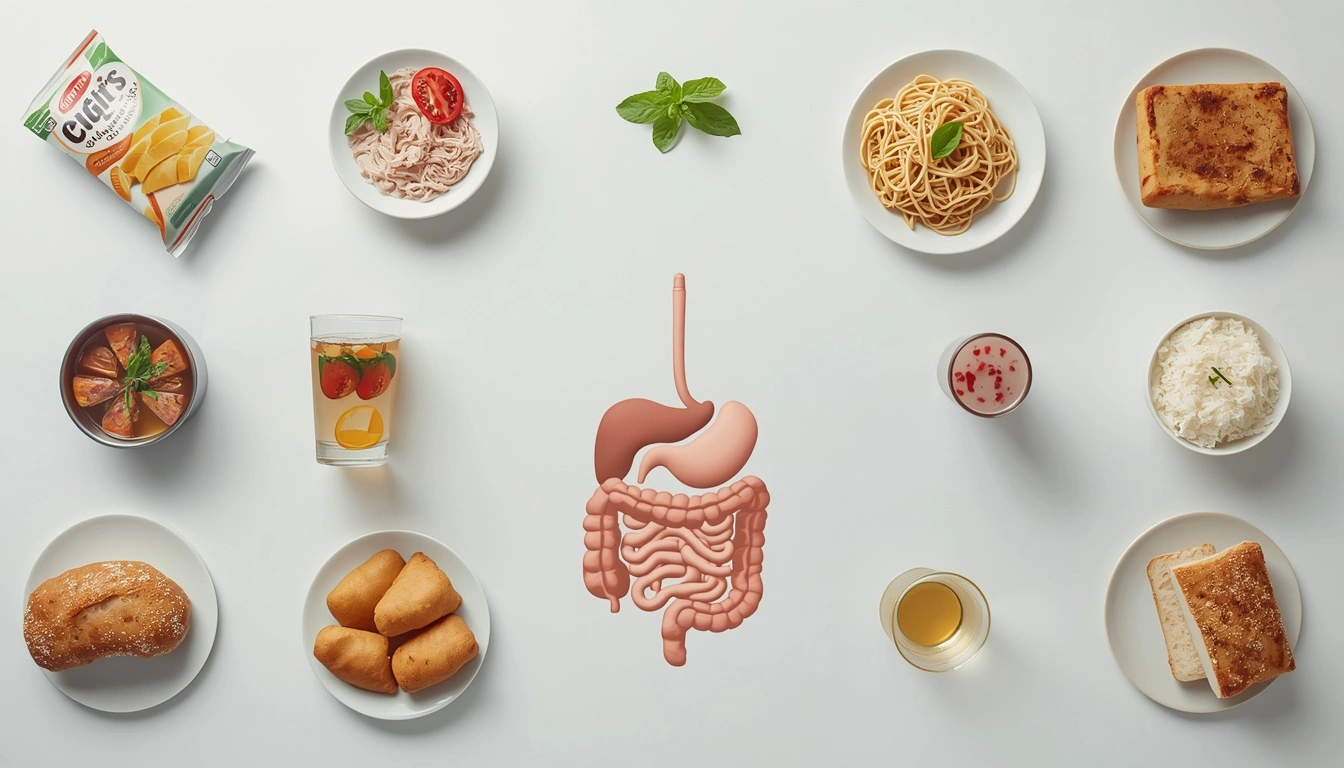
Understanding the 7 worst foods for gut health starts with recognizing how modern daily routines quietly sabotage your digestive system from the inside out.
It is 3:00 PM on a standard Tuesday. You are staring at a computer screen with three different deadlines looming over your head. Your stomach is making that quiet, hollow rumbling noise—not necessarily because you are starving, but because you are stressed, drained, and looking for a quick break. So, what do you do? You reach for a packaged cookie, order a sugar-laden cold coffee, or grab a quick deep-fried samosa from the office canteen down the street.
We have all been there. Between balancing demanding work schedules, household responsibilities, long commutes, and late-night scrolling, modern life leaves very little room for thoughtful eating. Food becomes a quick reward, a coping mechanism for daily fatigue, or simply whatever is fastest and most convenient.
However, a few hours later, the consequences hit: heavy bloating, uncomfortable gas, brain fog, or that sluggish energy crash that ruins the rest of your evening. Most people brush these symptoms off as basic acidity or getting older. But in reality, your digestive system is sending you a clear distress signal. Your gut microbiome—the complex ecosystem of trillions of bacteria living inside your digestive tract—is taking a heavy beating.
By identifying the 7 worst foods for gut health, you can completely change how you approach your daily meals without forcing yourself into an extreme, unsustainable diet.
Table of Contents
What are the 7 Worst Foods for Gut Health?
The 7 worst foods for gut health include ultra-processed items, refined sugars, deep-fried foods, artificial additives, alcohol, processed meats, and refined grains that destroy beneficial bacteria and trigger gut inflammation. Replacing these choices with fiber-rich whole foods and natural fermented items helps restore your digestive balance and overall immunity.
The 7 Worst Foods for Gut Health Exposed

1. Ultra-Processed Foods and Packaged Snacks
In my experience, ultra-processed products top the list of the 7 worst foods for gut health in modern households. Whether it is ready-to-eat instant noodles, store-bought chips, frozen meals, or packaged breakfast biscuits, these products are built for long shelf life, not human biology.
For healthier alternatives, explore our guide to healthy snacks that are simple, nutritious, and easy to include in your daily routine.
What most people don’t realize is that these convenience foods are loaded with emulsifiers, artificial preservatives, and synthetic stabilizers like carboxymethylcellulose and polysorbate 80. These ingredients keep food from separating on supermarket shelves, but inside your body, they strip away the protective mucus layer lining your intestines. When this barrier thins, harmful bacteria multiply, leading to chronic low-grade inflammation and increased gut permeability (often referred to as leaky gut).
- The Global Reality: Globally, packaged convenience items make up over 50% of the daily calorie intake in many urban households.
- The Indian Reality: In Indian urban homes, quick packaged snacks, commercial namkeens, and instant noodles have largely replaced traditional freshly cooked mid-day snacks like roasted makhana, chana, or homemade poha.
2. Refined Sugars and Artificial Sweeteners
Refined white sugar easily ranks among the 7 worst foods for gut health due to its destructive impact on your microbiome. Pathogenic bacteria and yeast strains like Candida thrive on simple sugars. When you consume high-sugar foods regularly, you essentially feed the bad microbes while starving the good ones.
The good part is that many people try to fix this by switching to zero-calorie diet drinks or sugar-free packaged snacks. The bad news? Artificial sweeteners like sucralose, aspartame, and saccharin can be just as problematic for your digestive system. Research indicates that synthetic sweeteners alter the metabolic activity of gut bacteria, which can impair glucose tolerance and trigger unexpected bloating.
- Where sugar hides: Commercial fruit juices, flavored yogurt, salad dressings, ketchup, packaged breakfast cereals, and everyday bakery items.
3. Deep-Fried Foods and Trans Fats

Deep-fried foods are notoriously difficult for your digestive system to break down, making them a core entry in the 7 worst foods for gut health. Heavy frying requires high temperatures that transform standard cooking oils into dangerous trans fats and oxidized lipids.
When you eat heavy, oil-soaked foods, your stomach has to work overtime, producing excessive acid and delaying gastric emptying. This is why you feel heavy, drowsy, and uncomfortably full for hours after a fried meal. Over time, high intake of unhealthy fried fats damages the delicate intestinal wall and drastically reduces the diversity of your gut flora.
- Everyday Examples: Deep-fried chicken, French fries, and donuts globally; pakoras, samosas, bhature, and commercial bhujia across South Asia.
4. Artificial Preservatives, Emulsifiers, and Food Colors
Have you ever looked at the ingredient list on a bottle of commercial sauce, salad dressing, or store-bought cake and seen a dozen chemical names you cannot pronounce? Synthetic additives are without a doubt among the 7 worst foods for gut health because they disrupt the delicate bacterial ecosystem in your stomach.
Synthetic food dyes, artificial flavors, and sodium benzoate alter the microbial balance in your gut. They act almost like mild anti-nutrients, interfering with the digestive enzymes your body uses to absorb essential vitamins and minerals. Honestly, if an ingredient list looks more like a high school chemistry experiment than actual food, your gut bacteria are going to struggle to process it.
5. Excessive Alcohol Consumption
While an occasional glass of wine or a casual drink with friends during the weekend might seem harmless, regular or heavy alcohol consumption is widely recognized as one of the 7 worst foods for gut health and overall organ wellness.
Alcohol irritates the stomach lining on contact, stimulating excess gastric acid production and leading to gastritis, acid reflux, and heartburn. Furthermore, alcohol alters the intestinal tight junctions—the tiny gaps between the cells lining your gut. When these junctions loosen, toxins and undigested food particles leak directly into your bloodstream, triggering systemic inflammation and persistent fatigue.
6. Processed Meats and Factory-Farmed Dairy
Processed meats such as sausages, bacon, hot dogs, and deli meats contain high levels of sodium, nitrates, and nitrites. These preservatives react with stomach acid to form N-nitroso compounds, securing their place among the 7 worst foods for gut health.
Similarly, high-fat, commercial dairy products from factory-farmed sources can be tough on many stomachs. A massive portion of the global adult population naturally loses the enzyme lactase as they age, making lactose digestion difficult. Combined with added hormones and antibiotics often found in commercial dairy farming, excessive consumption can manifest as chronic gas, painful stomach cramps, and severe bloating.
7. Refined Grains and White Flour
Refined grains like white bread, commercial bakery items, pasta, and refined wheat flour (maida) have been stripped of their outer bran and germ layers. Removing these vital components turns simple starches into one of the 7 worst foods for gut health.
Dietary fiber is the primary source of food (prebiotics) for your beneficial gut bacteria. When you eat refined grains, you digest them almost instantly into simple sugars high up in your digestive tract, leaving zero nourishment for the trillions of microbes residing further down in your large intestine. A low-fiber diet leads to sluggish digestion, chronic constipation, and a starving, depleted microbiome.
- Common Culprits: White bread loaves, commercial pizza crusts, store-bought biscuits, naan, and refined flour breakfast pastries.
Comparison Table: Gut-Damaging Foods vs. Nourishing Alternatives
Damaging Food Category | Why It Harms Your Gut | Gut-Friendly Replacement |
Packaged Processed Snacks | Contains emulsifiers that strip the protective stomach lining | Homemade air-popped popcorn, roasted chickpeas, or Makhana |
Refined Sugars & Sweeteners | Feeds pathogenic bacteria; artificial options alter gut flora | Raw local honey, fresh whole fruits, or medjool dates |
Deep-Fried Foods | Slows down digestion, causes acid reflux and inflammation | Air-fried or baked alternatives using cold-pressed oils |
Refined Grains (Maida/White Flour) | Lacks dietary fiber, starves good bacteria, causes constipation | Whole grains like oats, quinoa, brown rice, or whole wheat |
Commercial Processed Dairy | Triggers gas, cramps, and bloating due to lactose sensitivity | Homemade curd, kefir, buttermilk (chaas), or almond milk |
Simple Tips for Building a Healthier Gut
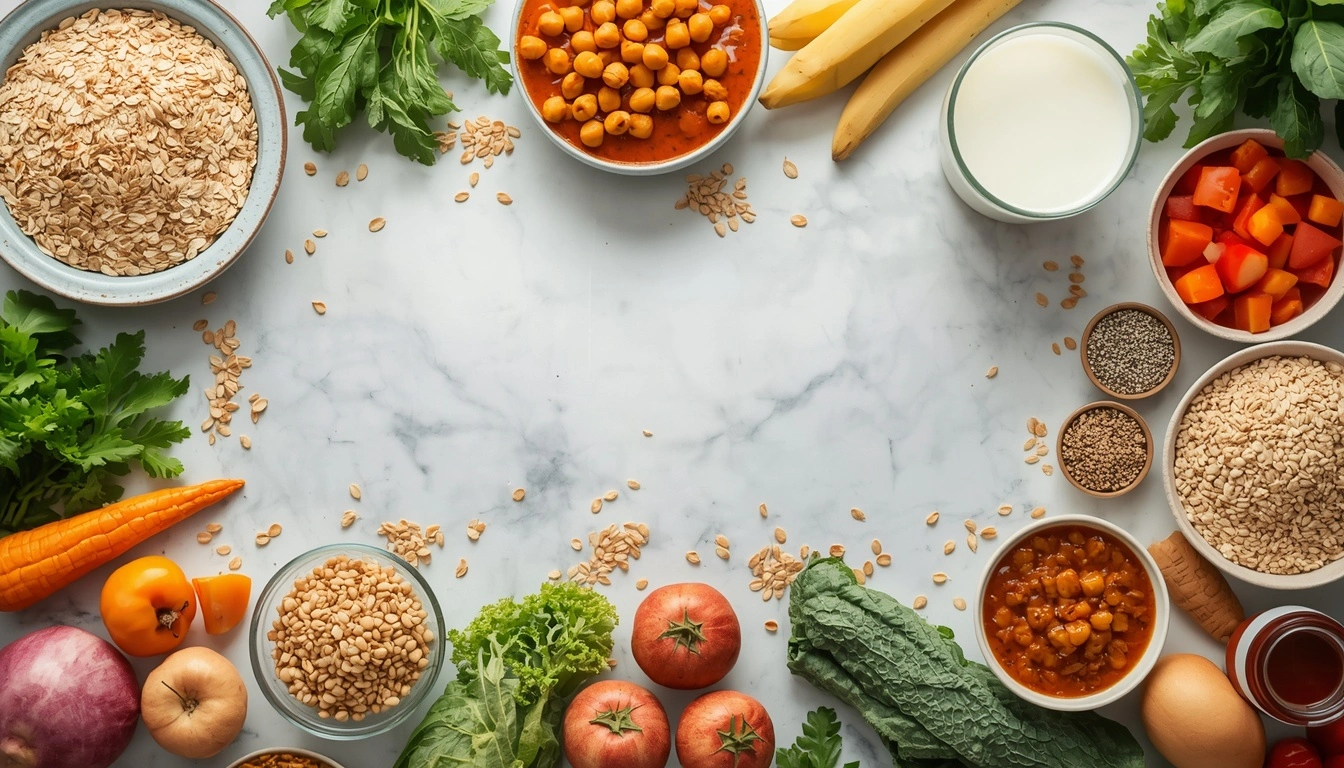
Now that you know how to avoid the 7 worst foods for gut health, improving your digestion does not require overnight perfection or expensive supplements. Small, consistent daily shifts yield massive long-term benefits for your overall well-being.
[ Eliminate Gut Disruptors ]
│
▼
[ Add Prebiotics & Probiotics ]
│
▼
[ Hydrate & Practice Mindful Eating ]
│
▼
[ Restore & Balance Microbiome ]
1. Embrace Whole, Fiber-Rich Foods
Your beneficial gut microbes run on fiber. Aim to include a wide variety of plant foods in your weekly diet, including vegetables, whole fruits, legumes, nuts, and seeds. Diversifying your plant intake feeds different strains of bacteria, creating a resilient microbial ecosystem.
- Global Options: Chia seeds, oats, berries, lentils, broccoli, and avocados.
- Indian Options: Dal, rajma, chole, bajra, jowar, sabudana, and seasonal leafy greens like palak or sarson.
2. Integrate Natural Probiotics and Prebiotics
Instead of rushing to buy synthetic probiotic capsules, look toward traditional, real-food sources:
- Probiotic-Rich Foods: Plain homemade yogurt, fresh buttermilk (chaas made with cumin and mint), fermented pickles, kimchi, sauerkraut, and kombucha.
- Prebiotic Foods: Garlic, onions, raw bananas, asparagus, and flaxseeds feed the healthy bacteria already living inside you.
3. Practice Hydration and Mindful Eating
Simple eating habits can dramatically reduce digestive strain:
- Drink Adequate Water: Water supports the mucosal lining of your intestines and helps fiber move smoothly through your digestive tract, preventing constipation.
- Chew Thoroughly: Digestion begins in the mouth. Chewing your food 20 to 30 times breaks down complex structures mechanically and mixes them with digestive enzymes, taking the load off your stomach.
- Manage Mealtime Stress: Avoid eating while typing emails or scrolling through intense news feeds. When your body is in “fight or flight” mode, digestive blood flow decreases, leading to poor breakdown of food.
Common Gut Health Mistakes to Avoid
Even with the best intentions, many people accidentally stall their digestive progress by falling into common dietary traps:
- Overloading on Fiber Too Quickly: Increasing your fiber intake from 10 grams to 40 grams overnight will cause severe gas, abdominal pain, and extreme bloating. Increase fiber gradually over 3 to 4 weeks while drinking plenty of water.
- Relying Exclusively on Probiotic Supplements: Probiotic pills are useful in specific clinical scenarios, but they cannot undo the damage caused by the 7 worst foods for gut health if consumed daily. Real whole food remains the foundation.
- Fearing All Fats: Healthy fats found in extra virgin olive oil, nuts, seeds, avocados, and homemade pure ghee actually support gut mucosal lining health and reduce inflammation.
- Ignoring Sleep and Stress Levels: You can eat a clean diet, but if you sleep only 5 hours a night and live with chronic stress, your gut will stay inflamed due to elevated cortisol levels via the gut-brain axis.
Physical and Mental Benefits of a Balanced Gut
When you cut back on digestive triggers and nourish your microbiome, the positive changes ripple across your entire body:
- Sustained Daily Energy: No more mid-afternoon energy slumps or feeling heavy and sluggish after lunch.
- Clearer Skin: The gut-skin connection is real. Reducing internal gut inflammation often clears up chronic acne, eczema, and skin dullness.
- Enhanced Mental Clarity: Around 90% of your body’s serotonin (the feel-good neurotransmitter) is produced in your gut. A healthy microbiome means improved mood, reduced anxiety, and sharper focus.
- Stronger Immune Defense: Over 70% of your immune system resides in your gut tissue. Proper gut balance helps your body fight off common seasonal infections easily.
- Comfortable Digestion: Experience smooth, regular bowel movements without painful gas, heartburn, or embarrassing bloating.
Conclusion
Taking care of your digestive system is not about adhering to restrictive rules or feeling guilty whenever you enjoy a meal out with friends. Life is meant to be enjoyed, and food is a big part of that experience.
Instead, it is about developing an awareness of how different foods make you feel. When you replace the 7 worst foods for gut health with whole, fresh, fiber-rich alternatives, your body responds quickly. You will sleep better, think more clearly, and feel significantly more energized every day.
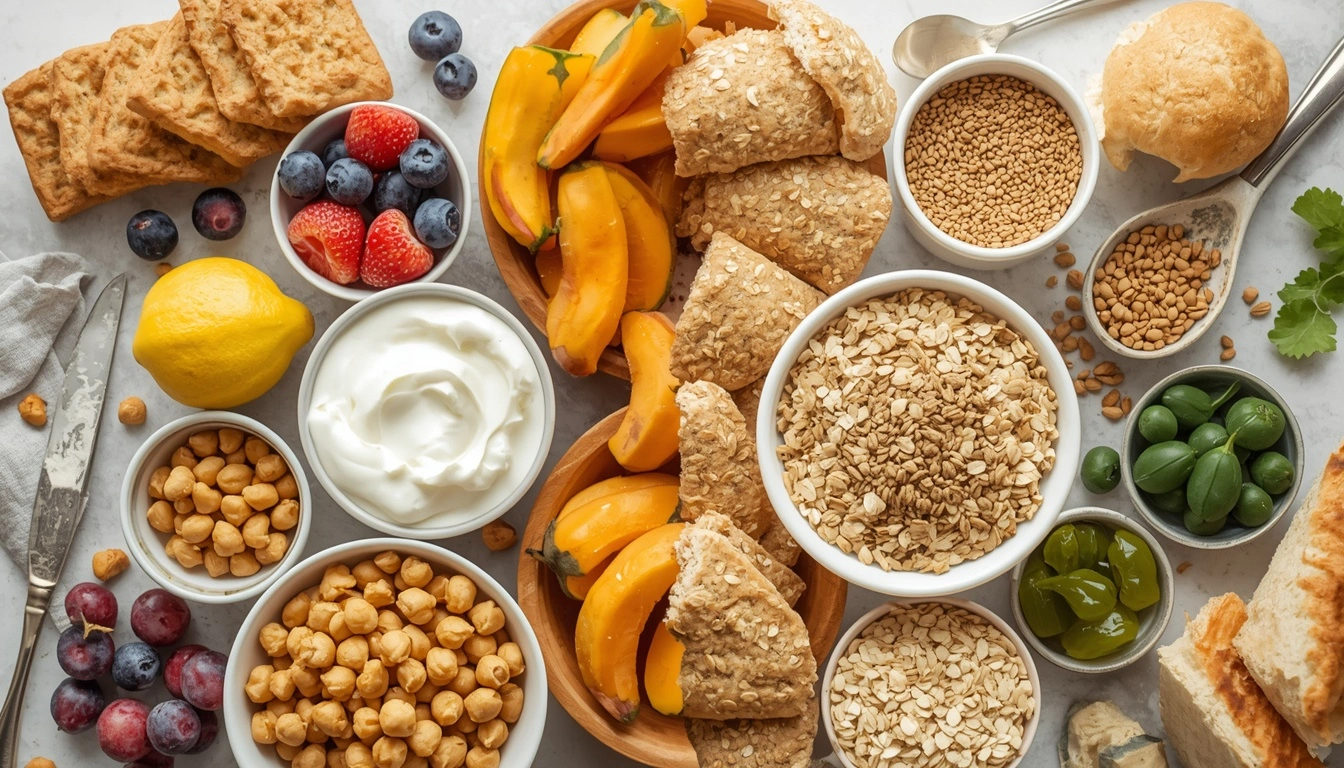
Start small today. Pick just one simple change—like swapping your afternoon packaged biscuit for a bowl of fruit with plain yogurt, or drinking an extra glass of water instead of a sugary soda. Consistent, small actions always beat short-lived, extreme diets.
Frequently Asked Questions (FAQs)
Item #1
How long does it take to repair damaged gut health?
With consistent dietary improvements—such as eliminating processed foods, eating high-fiber meals, and staying hydrated—you can notice improvements in bloating and energy within 7 to 14 days. Full microbiome restructuring typically takes anywhere from 1 to 3 months.
Item #2
Are all dairy products bad for your gut?
No. While processed commercial milk can trigger inflammation in people with lactose sensitivity, fermented dairy products like homemade curd, plain yogurt, and buttermilk (chaas) contain beneficial live probiotics that actively support gut health.
Item #3
Can stress affect gut health even if I eat a clean diet?
Yes. The brain and digestive system communicate constantly through the vagus nerve (the gut-brain axis). High stress levels alter gut motility, increase stomach acidity, and negatively shift microbial balance regardless of your diet.
Item #4
What are the earliest warning signs of an unhealthy gut?
The most common early signals include chronic bloating after meals, persistent acid reflux, irregular bowel movements (constipation or diarrhea), unexpected skin breakouts, unexplained fatigue, and intense cravings for refined sugar.
Item #5
Can exercise and physical activity improve gut health?
Yes, regular moderate exercise like walking, swimming, or yoga stimulates intestinal motility and enhances gut microbiome diversity. Physical activity increases blood flow to the digestive organs, helping reduce constipation, bloating, and sluggish digestion over time.
Item #6
Are all fermented foods good for gut health?
Most traditional fermented foods like homemade curd, kimchi, sauerkraut, and buttermilk (chaas) are excellent for gut health. However, commercially available fermented products like store-bought kombucha or pickles often contain added sugars, excess sodium, or pasteurization that can kill beneficial live bacteria. Always opt for low-sugar, naturally fermented options.