
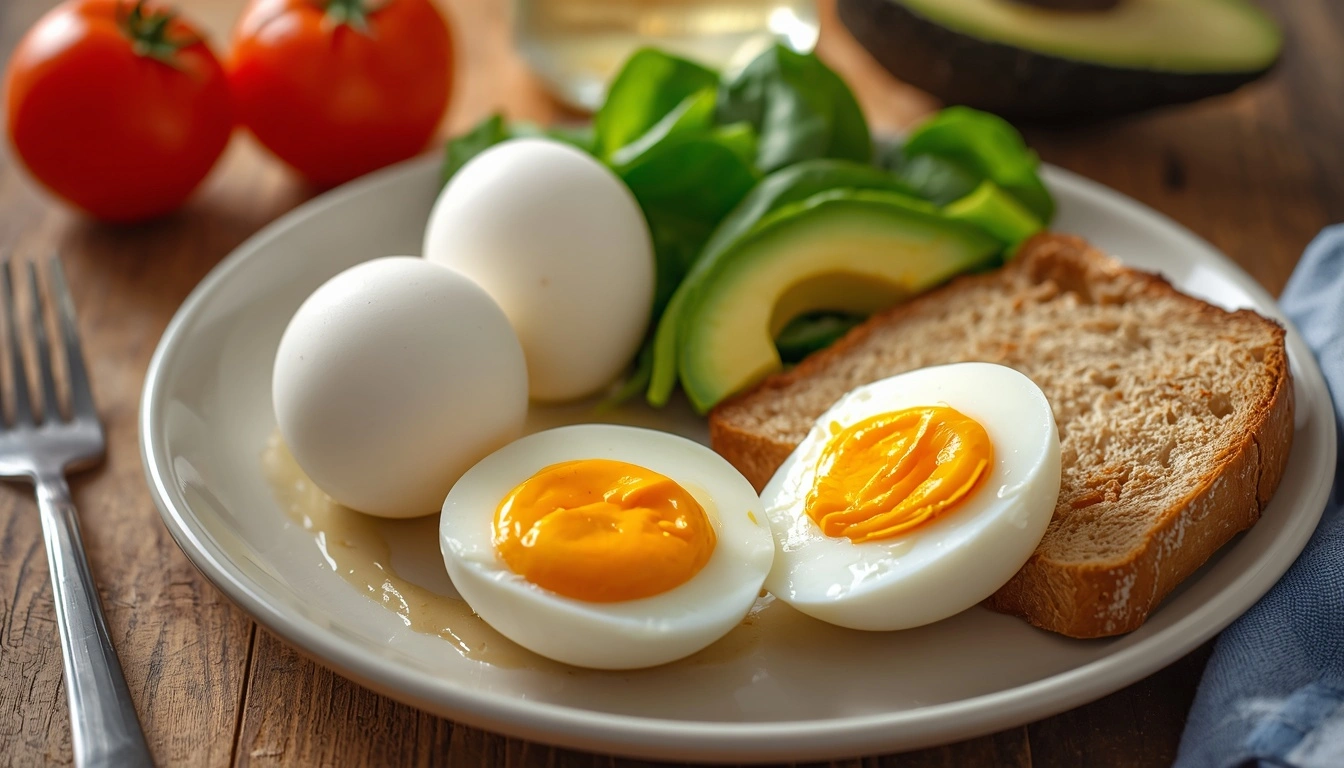
Are Eggs High in Protein? If you’ve ever tried to eat healthier, build muscle, or lose weight, you’ve probably asked this question. Eggs are one of the most popular breakfast foods because they’re affordable, easy to cook, and packed with essential nutrients. But are they really a high-protein food?
The simple answer is yes. Eggs provide high-quality complete protein along with important vitamins and minerals, making them a smart choice for people of all ages.
In this guide, you’ll learn are eggs high in protein, how much protein they contain, why they’re considered a high-protein food, and whether they deserve a place in your daily diet.
Table of Contents
Are Eggs High in Protein?
Yes, eggs are high in protein. One large egg contains about 6–6.5 grams of complete protein and all nine essential amino acids your body needs. Along with protein, eggs provide healthy fats, vitamin D, vitamin B12, choline, and other essential nutrients, making them one of the best natural protein sources.
Why Are Eggs Considered a High-Protein Food?
When choosing protein-rich foods, quality matters as much as quantity. Eggs are naturally rich in all nine essential amino acids, making them a complete protein that supports muscle repair, healthy growth, and overall wellness.
These essential amino acids help your body:
- Build and repair muscles.
- Support healthy bones.
- Produce enzymes and hormones.
- Keep you feeling full for longer.
Unlike many processed protein foods, eggs deliver high-quality nutrition in a natural, affordable package.
Nutrition Facts of One Large Egg
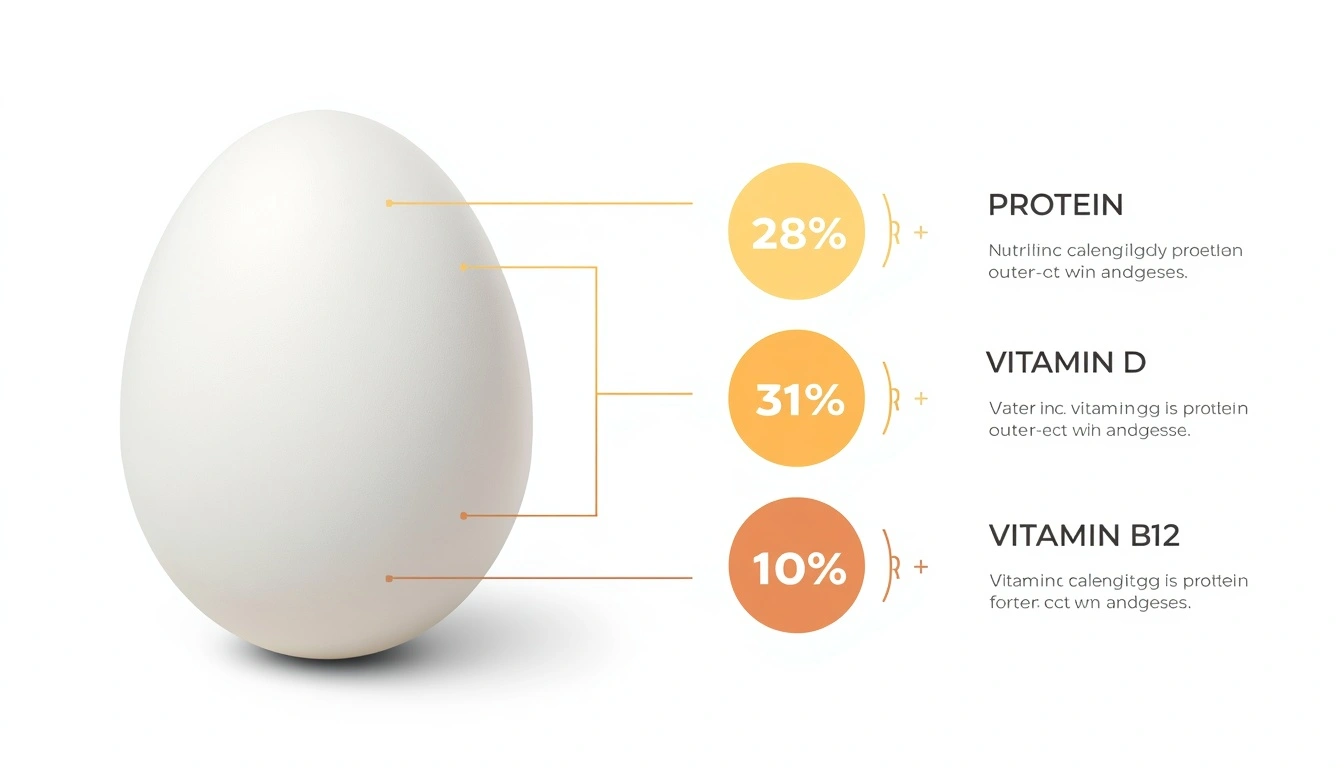
Here’s what one large egg typically provides:
Nutrient | Amount |
Calories | 72 |
Protein | 6.3 g |
Fat | 5 g |
Carbohydrates | 0.4 g |
Vitamin B12 | Good Source |
Vitamin D | Good Source |
Choline | Excellent Source |
While protein is the main highlight, eggs also provide several nutrients that support brain health, energy production, and overall wellness.
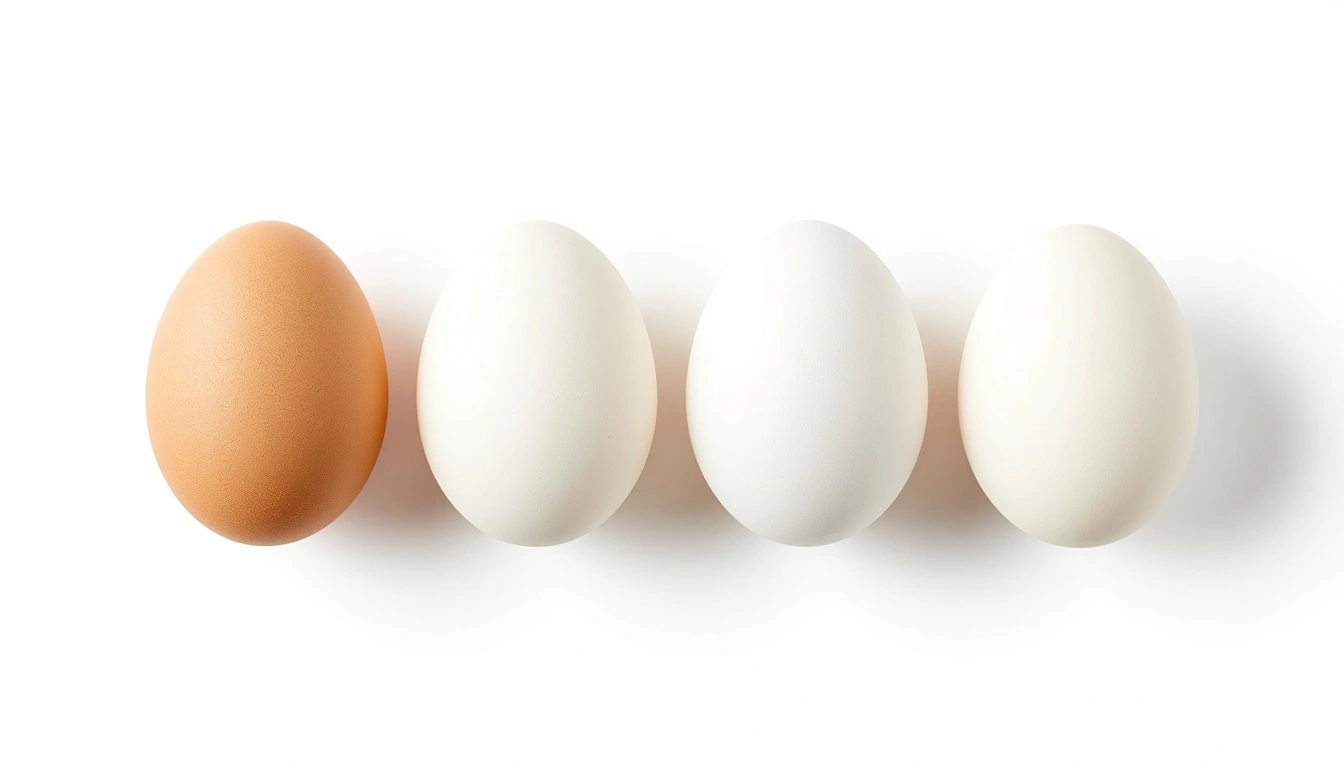
How Much Protein Is in Different Numbers of Eggs?
|
Number of Eggs |
Protein |
|
1 Egg |
~6.3 g |
|
~12.6 g |
|
|
3 Eggs |
~19 g |
|
4 Eggs |
~25.2 g |
As you can see, adding just a few eggs to your meal is an easy way to increase your daily protein intake.
Benefits of High-Protein Eggs
eggs are more than just a source of protein. They provide several health benefits when included in a balanced diet. Are eggs high in protein? Absolutely. That’s one of the biggest reasons they’re popular among athletes, fitness enthusiasts, and families.
1. Supports Muscle Growth

With about 6.3 grams of complete protein per egg, eggs help repair and build muscles after exercise.
2. Keeps You Full Longer
The combination of protein and healthy fats helps reduce hunger, making it easier to avoid unnecessary snacking.
3. Supports Weight Management
High-protein foods like eggs can help you stay satisfied while maintaining a healthy calorie intake.
4. Rich in Essential Nutrients
Eggs provide vitamin D, vitamin B12, choline, selenium, and other nutrients that support brain, bone, and immune health.
Egg White vs Whole Egg Protein
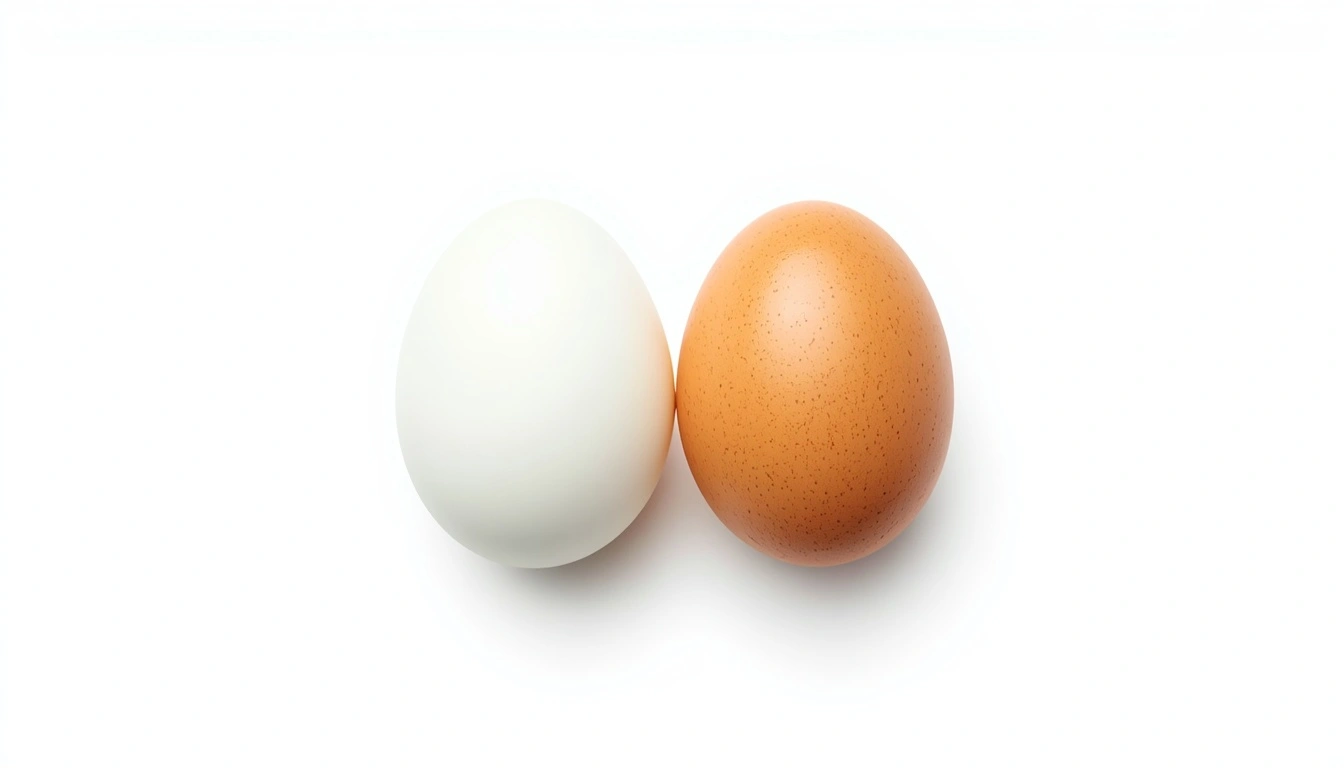
Many people think only egg whites are healthy, but that’s not entirely true.
- Egg White: Around 3.6 g protein, very low in calories and fat.
- Whole Egg: Around 6.3 g protein plus healthy fats, vitamins, and minerals.
For most healthy adults, whole eggs are the better choice because they offer complete nutrition.
Are Eggs Good for Muscle Building?
Yes. Eggs contain all nine essential amino acids, making them one of the best natural foods for muscle recovery and growth.
For even better results, combine eggs with strength training and a balanced diet.
Are Eggs Good for Weight Loss?

Yes. Eggs are high in protein and help keep you full for longer, which may reduce unnecessary snacking.
For a healthy meal, pair boiled eggs with vegetables and whole-grain toast instead of processed foods.
Best Ways to Eat Eggs

To get the most nutrition, choose healthier cooking methods such as:
 Boiled eggs
 Poached eggs
 Vegetable omelette
 Whole-wheat egg sandwich
Try to limit deep-fried eggs or recipes with too much butter and oil.
Practical Tips
Follow these simple tips to make eggs part of a healthy diet:
- Pair eggs with whole grains and vegetables for a balanced meal.
- Include eggs in breakfast or as a post-workout meal.
- Eat a variety of protein sources like lentils, fish, paneer, or chicken along with eggs.
- Cook eggs with minimal oil to keep calories in check.
Common Mistakes to Avoid
Avoid these common mistakes:
- Removing the yolk without a medical reason.
- Eating eggs without fruits or vegetables.
- Using too much oil or butter while cooking.
- Depending only on eggs for your daily protein intake.
A balanced diet always works better than relying on a single food.
Who Should Eat More Eggs?
Eggs are a great choice for:
- 💪 Gym-goers and athletes
- 👨💼 Busy professionals
- 🎓 Students
- 👨👩👧👦 Families looking for affordable nutrition
- 🧓 Older adults who need quality protein
If you have an egg allergy or a medical condition that requires dietary restrictions, consult your healthcare provider before increasing your egg intake.
Conclusion
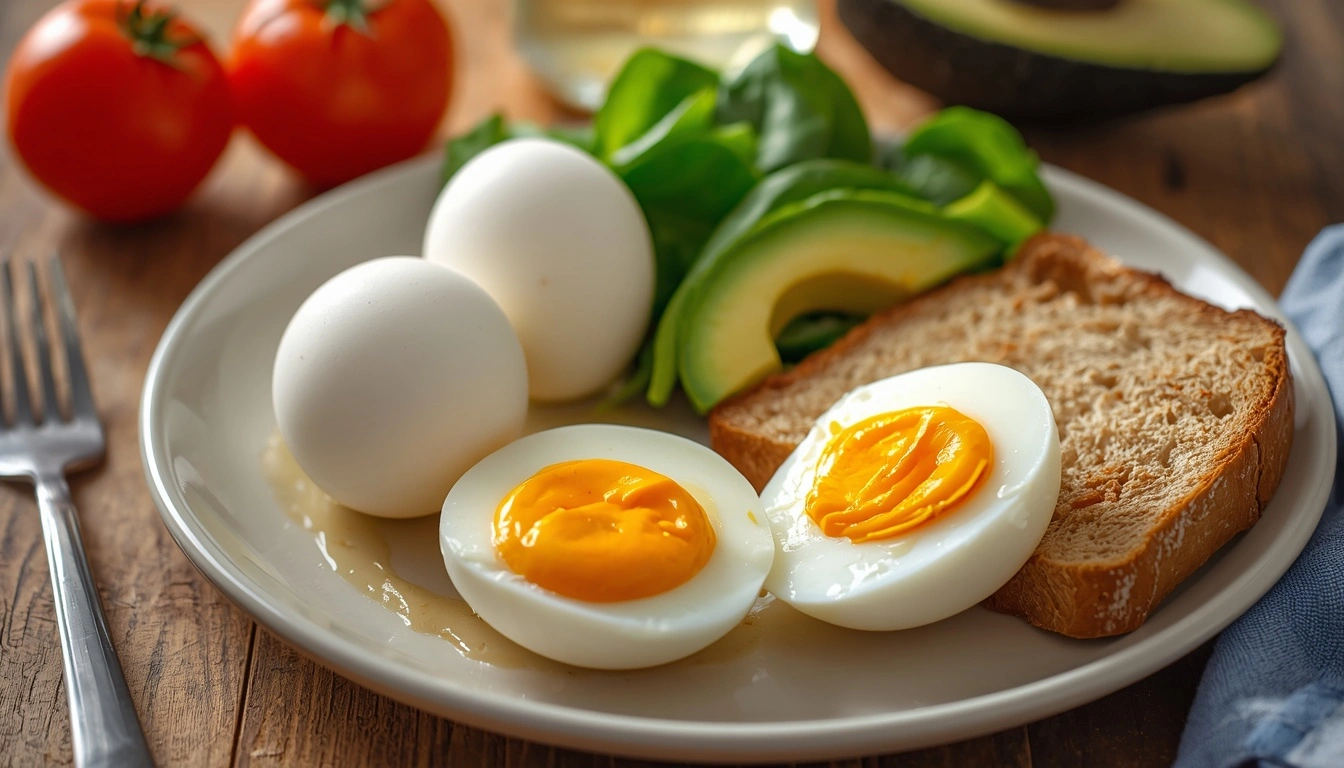
So, are eggs high in protein? The answer is yes. One large egg provides about 6.3 grams of complete protein, along with essential nutrients like vitamin D, vitamin B12, choline, and selenium.
Whether your goal is building muscle, managing weight, or simply eating a healthier diet, eggs are an affordable and nutrient-rich choice. For the best results, enjoy them as part of a balanced diet that includes vegetables, whole grains, fruits, and other healthy protein sources.
Instead of worrying about food myths, focus on consistency and healthy eating habits. Small choices—like adding eggs to a balanced breakfast—can make a big difference over time.
Are Eggs High in Protein? Start Today!
You’ve learned why eggs are high in protein, how much protein they contain, and how they support muscle growth, weight management, and overall health. Now it’s time to make healthier food choices.
👉 Continue exploring our expert egg nutrition guides to learn more about egg protein, calories, daily egg intake, and the healthiest ways to enjoy eggs.
Frequently Asked Questions (FAQs)
Item #1
Are eggs high in protein?
Yes. One large egg contains about 6.3 grams of complete protein, making eggs one of the best natural protein sources.
Item #2
How much protein is in 2 eggs?
Two large eggs provide approximately 12–13 grams of protein.
Item #3
Are boiled eggs higher in protein than fried eggs?
No. The protein content is nearly the same. Frying mainly adds extra calories from oil or butter.
Item #4
Are eggs good for muscle building?
Yes. Eggs contain all nine essential amino acids, which help support muscle growth and recovery.
Item #5
Can eggs help with weight loss?
Yes. Their high protein content helps keep you full longer, which may reduce unnecessary snacking.
Item #6
How many eggs can I eat in a day?
For most healthy adults, 1–4 eggs per day can fit into a balanced diet. If you have a medical condition, follow your healthcare provider’s advice.