

Intermittent Fasting and PCOS have become a popular topic among women who are looking for practical ways to manage their weight, improve eating habits, and support better hormonal health. But living with PCOS is not always simple. Between office stress, household responsibilities, lack of time, and a busy modern lifestyle, taking care of personal health often gets pushed to the side.
Many women start their day early, rush to work, skip proper meals, and spend hours dealing with responsibilities. By evening, tiredness and stress can lead to emotional eating — grabbing biscuits with tea, ordering fast food, craving sweets, or eating late at night. Over time, these habits may contribute to weight gain, increased cravings, and low energy levels.
PCOS (Polycystic Ovary Syndrome) is becoming a common concern among women worldwide. In India, many college students, working professionals, and homemakers are dealing with symptoms like irregular periods, weight changes, acne, and hormonal imbalance. Globally, millions of women are also exploring lifestyle changes to better manage PCOS symptoms.
This is where intermittent fasting comes into the discussion. Many women search for Intermittent Fasting Before and After results and wonder whether changing their eating schedule can actually help with PCOS. Can fasting improve weight management? Can it support better insulin control? Is it safe for everyone?
The truth is that Intermittent Fasting and PCOS are not a one-size-fits-all solution. Some women may find it helpful for controlling cravings, creating a structured eating routine, and supporting healthy weight management. However, others may need to be more careful, especially if they have specific health concerns.
In this guide, we will explore how intermittent fasting works for PCOS, the 7 potential benefits, possible risks, and practical tips to follow it in a balanced way.
Table of Contents
What Is the Best Intermittent Fasting Schedule for PCOS?
The best intermittent fasting approach for PCOS is usually a gentle and sustainable method, such as a 12:12 or 14:10 fasting schedule. This allows enough time to consume balanced meals while avoiding extreme restriction. Combining fasting with protein-rich foods, fiber, exercise, and good sleep may support better PCOS management.
Understanding PCOS: Why Does It Affect Weight and Hormones?
PCOS (Polycystic Ovary Syndrome) is a hormonal condition that can affect reproductive hormones, insulin levels, and metabolism.
For medically reviewed information about PCOS, readers can visit trusted health resources such as the National Institutes of Health (NIH).
Women with PCOS may experience:
- Irregular menstrual cycles
- Difficulty losing weight
- Weight gain around the belly area
- Increased cravings
- Acne problems
- Excess facial hair growth
- Mood changes
- Insulin resistance
However, PCOS is not only a weight-related issue. It is a complex condition influenced by hormones, genetics, stress, sleep quality, and lifestyle habits.
What most people don’t realize is that managing PCOS is not just about eating less. The quality of food, regular movement, stress control, and a consistent routine also play important roles.
For example, a woman working a 9-to-6 office job may spend most of her day sitting, depend on quick meals, and have little time for exercise. Small lifestyle adjustments can sometimes make a meaningful difference over time.
How Does Intermittent Fasting Work for PCOS?
Intermittent fasting is not a traditional diet where you completely remove certain foods. Instead, it focuses on when you eat rather than only what you eat.
The main idea is to create a fasting period and an eating window.
For women exploring Intermittent Fasting and PCOS, the goal should be to create a consistent eating pattern without compromising proper nutrition.
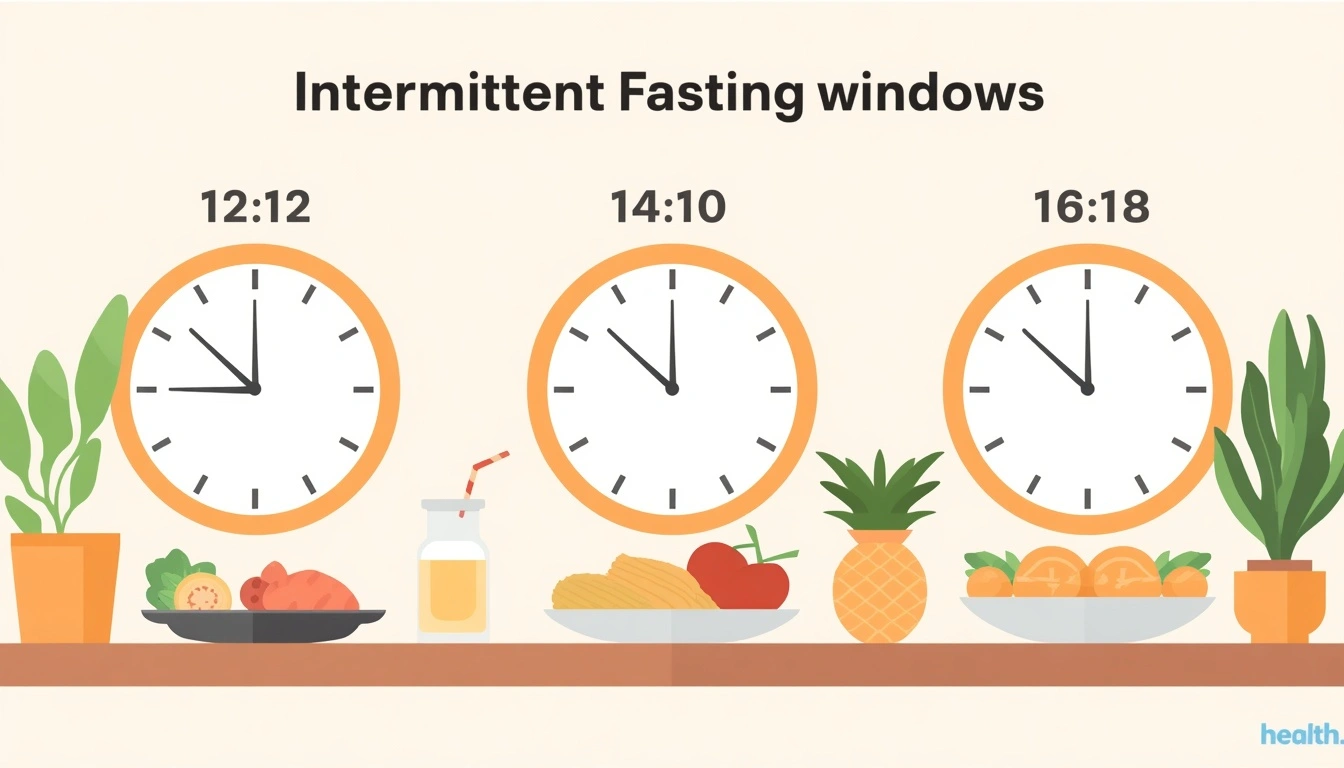
Common intermittent fasting methods include:
1. 12:12 Method
This method includes 12 hours of fasting and a 12-hour eating window.
It is often considered a beginner-friendly option because it feels more natural and easier to maintain.
2. 14:10 Method
This includes 14 hours of fasting and a 10-hour eating window.
Many people find this method easier to fit into their daily routine without feeling overly restrictive.
3. 16:8 Method
This is one of the most popular fasting methods, where people fast for 16 hours and eat within an 8-hour window.
However, women with PCOS should listen to their body and avoid extreme restriction, especially when starting.
Imagine someone who works in an office, skips breakfast, drinks multiple cups of tea during the day, and eats a large meal late at night. This pattern may increase hunger and cravings.
By creating a structured eating schedule with enough protein, vegetables, healthy fats, and balanced carbohydrates, some people may find it easier to maintain healthier habits.
The good part is that intermittent fasting can help people become more aware of their eating patterns. It is not only about counting fasting hours; it is about building a routine that feels manageable.
A balanced diet is important for long-term health. Explore our guide on Healthy Protein Snacks: 25 Best High-Protein Snacks for Energy for easy protein-rich options.
Intermittent Fasting Before and After: Realistic Results You Can Expect
When people search for Intermittent Fasting Before and After transformations, they often expect dramatic changes within a few weeks. But PCOS results are different for every person.
Factors like hormones, lifestyle, calorie intake, activity level, sleep, and consistency all influence progress.
Some possible improvements people may notice include:
- Better control over cravings
- Less unnecessary snacking
- Improved meal timing
- More awareness of food choices
- Support for healthy weight management
However, PCOS-related weight loss can sometimes be slower because hormonal changes may affect metabolism and insulin sensitivity.
Honestly, small improvements matter. If someone who used to eat sugary snacks every evening starts choosing a protein-rich snack or balanced meal instead, that is already a positive step toward better health.
If you’re interested in what changes may occur during the first month, see our guide to Intermittent Fasting Before and After: 30-Day Results.
7 Benefits of Intermittent Fasting and PCOS
Intermittent Fasting and PCOS may offer several potential benefits when combined with a balanced diet and healthy lifestyle. However, it is important to remember that fasting is not a magic solution. The results depend on your overall eating habits, activity level, sleep, stress management, and individual health condition.
Let’s look at the possible benefits in a practical way.
1. May Support Better Insulin Sensitivity
One of the common challenges many women with PCOS experience is insulin resistance. This means the body may have difficulty using insulin effectively, which can affect blood sugar levels and increase hunger or cravings.
Intermittent fasting may help some people create a better eating pattern by reducing frequent snacking and giving the body more time between meals.
For example, instead of eating small amounts of processed food throughout the day, a person may focus on balanced meals containing protein, vegetables, healthy fats, and complex carbohydrates during their eating window.
In my experience, many people struggle less with random cravings when they follow a more structured meal routine.
2. Helps With Weight Management
Weight management is one of the biggest concerns for many women with PCOS. Hormonal changes can make losing weight more challenging, especially around the belly area.
Choosing the right foods can support your weight management journey. You can also read our guide on 32 Foods That Burn Belly Fat Fast for more healthy food choices.
Intermittent Fasting and PCOS may support weight management by helping some people control their overall calorie intake and reduce unnecessary eating.
However, the goal should not be extreme weight loss. A healthy approach focuses on gradual progress.
A woman in India who manages household work, office duties, and family responsibilities may not have hours for complicated meal preparation. A simple fasting schedule combined with homemade balanced meals can sometimes be easier to maintain.
3. May Reduce Unhealthy Snacking and Cravings
Many people do not realize how often they eat because of boredom, stress, or emotions rather than actual hunger.
Morning tea with biscuits, evening snacks after work, and late-night eating are common habits in many households.
Intermittent fasting can create awareness around eating patterns. When you have a specific eating window, you may become more mindful about what foods are worth including.
Instead of eating random snacks, you may choose options like:
- Greek yogurt
- Eggs
- Nuts
- Fruits
- Paneer
- Protein-rich meals
This does not mean cravings disappear completely, but it can help develop better control.
For convenient snack options, you can also explore our guide to Healthy Snack Bars: 15 Best Options for Energy.
4. Supports a More Organized Eating Routine
One underrated benefit of intermittent fasting is creating structure.
Many women with busy schedules often say:
“I don’t have time to plan meals.”
The issue is not always a lack of knowledge. Sometimes it is simply a lack of routine.
By deciding meal timings in advance, it becomes easier to prepare food and avoid last-minute unhealthy choices.
For example:
- First meal after morning work
- Balanced lunch
- Healthy evening snack
- Early dinner
A consistent routine can make healthy eating feel less stressful.
5. May Support Hormonal Health Through Lifestyle Improvement
PCOS involves multiple factors, including hormones, insulin, stress, and lifestyle habits.
While intermittent fasting itself does not directly “fix” PCOS, the healthy habits that often come with it — such as better food choices, improved meal timing, and reduced processed food intake — may support overall wellness.
What most people don’t realize is that PCOS management is usually about combining small positive habits rather than depending on one single method.
6. Can Improve Awareness About Food Choices
Before starting intermittent fasting, many people eat without thinking about nutrition.
After following a structured approach, they often start asking:
- Am I getting enough protein?
- Are my meals balanced?
- Am I eating enough vegetables?
- Am I drinking enough water?
This awareness can become one of the biggest long-term benefits.
When looking at Intermittent Fasting Before and After experiences, the biggest change is often not only physical. Many people notice they have better control over their daily habits.
Protein plays an important role in maintaining muscle and supporting healthy weight management. You can learn more about protein intake from everyday foods in our guide on How Much Protein Is in 2 Eggs Scrambled?
7. May Encourage a Healthier Lifestyle
A successful PCOS journey is not only about diet. Sleep, movement, stress management, and consistency are equally important.
Many people who start intermittent fasting also begin making other healthy changes:
- Walking regularly
- Exercising
- Sleeping on time
- Drinking more water
- Cooking healthier meals
These lifestyle improvements together may create better results over time.
Possible Risks of Intermittent Fasting and PCOS
Although intermittent fasting may work well for some people, it is not suitable for everyone.
Here are some possible concerns:

1. Extreme Hunger and Overeating
A common beginner mistake is fasting for too long and then overeating during the eating window.
For example, skipping food all day and then eating a large amount of fried foods or sweets at night may reduce the benefits.
The goal is not to punish your body. The goal is to create a balanced routine.
2. Low Energy Levels
Some people may experience:
- Tiredness
- Headaches
- Difficulty concentrating
- Irritability
Especially when they start fasting suddenly.
A gradual approach is usually easier for beginners.
3. Not Getting Enough Nutrients
Women with PCOS need proper nutrition. A very restrictive fasting routine may lead to insufficient intake of:
- Protein
- Iron
- Calcium
- Vitamins
- Essential nutrients
Your eating window should include nutrient-dense foods, not just fewer meals.
4. May Not Be Suitable During Certain Situations
Some women may need professional guidance before trying intermittent fasting, especially during pregnancy, breastfeeding, or if they have specific medical conditions.
Practical Tips to Follow Intermittent Fasting and PCOS Safely
Start Slowly
Do not jump directly into long fasting periods.
Start with:
- 12:12 fasting
- Then try 14:10 if comfortable.
Give your body time to adjust.
Prioritize Protein
Protein is important for fullness and muscle maintenance.
Include foods like:
- Eggs
- Chicken
- Fish
- Paneer
- Lentils
- Greek yogurt
- Tofu
A protein-rich meal can help reduce unnecessary hunger.
If you want to know how much protein eggs provide, check out our guide on How Much Protein Is in 4 Eggs? Nutrition Facts & Benefits (2026).
Do Not Ignore Healthy Carbohydrates
Many people think they must remove carbohydrates completely.
This is not necessary.
Healthy carbohydrate sources include:
- Oats
- Brown rice
- Whole wheat roti
- Fruits
- Sweet potatoes
Balance is more important than extreme restriction.
Stay Hydrated
During fasting hours, drink enough water.
You can also include:
- Plain water
- Herbal tea
- Black coffee (without added sugar)
if it suits your body.
Common Mistakes to Avoid While Following Intermittent Fasting and PCOS
Starting a new eating routine can feel exciting, but many beginners make mistakes that can slow down their progress. Intermittent Fasting and PCOS should be approached with patience and balance, not with extreme rules.
Here are some common mistakes to avoid:
1. Fasting for Too Long Too Quickly
One of the biggest mistakes beginners make is starting with a very long fasting window because they see fast transformation stories online.
For example, someone may immediately try a 16:8 or 18:6 fasting schedule without preparing their body.
A better approach is to start slowly and understand how your body responds.
Remember, consistency matters more than intensity.
2. Eating Too Little During the Eating Window
Some people believe that eating less will give faster results. However, under-eating can lead to:
- Low energy
- Strong cravings
- Mood changes
- Poor workout performance
Your body still needs enough calories, protein, and nutrients to function properly.
A healthy eating window should include balanced meals rather than simply fewer meals.
3. Ignoring Protein Intake
Protein plays an important role in maintaining muscle, improving fullness, and supporting healthy body composition.
A common mistake is focusing only on fasting hours while ignoring meal quality.
Try adding protein sources such as:
- Eggs
- Paneer
- Lentils
- Chicken
- Fish
- Tofu
- Yogurt
A balanced plate is more important than just completing your fasting hours.
4. Expecting Instant Results
When people search for Intermittent Fasting Before and After transformations, they often see dramatic online results and expect the same timeline.
But PCOS is different for every person.
Some women may notice changes within weeks, while others may need months of consistent habits.
The goal should be improving health, building better routines, and creating sustainable progress.
Intermittent Fasting Before and After: What a Realistic Journey Looks Like
A realistic Intermittent Fasting Before and After journey is not only about the number on the weighing scale.
Before starting, many women may experience:
- Uncontrolled cravings
- Frequent snacking
- Irregular eating patterns
- Low energy
- Difficulty maintaining a routine
After following a balanced approach consistently, some people may notice:
- Better meal control
- Reduced unnecessary snacking
- More awareness about food choices
- Improved daily routine
- Better confidence
However, results depend on many factors, including genetics, hormones, lifestyle, sleep, exercise, and nutrition.
For example, a working woman in Mumbai, Delhi, or any busy city may not have time for complicated diets. A simple fasting schedule with homemade meals, regular walking, and proper sleep may be easier to maintain than a strict plan.
Honestly, the best approach is the one you can follow for months, not just for a few days.
Final Thoughts on Intermittent Fasting and PCOS: 7 Benefits, Risks & Tips
Intermittent Fasting and PCOS can be a useful lifestyle strategy for some women when followed correctly. It may help improve eating patterns, reduce unnecessary snacking, support weight management, and encourage healthier daily habits.
But fasting is not a replacement for medical treatment or a balanced lifestyle. PCOS management requires a combination of nutritious food, physical activity, stress control, quality sleep, and regular health checkups.
For evidence-based guidance on PCOS management and lifestyle, you can also refer to the International Evidence-Based PCOS Guideline.
The biggest lesson from Intermittent Fasting Before and After experiences is that sustainable progress comes from small, consistent actions.
You do not need to make extreme changes overnight. Start with realistic steps — create a better meal routine, add more protein, move your body regularly, and listen to your health needs.
If you are considering intermittent fasting with PCOS, choose a method that feels comfortable and sustainable for your lifestyle. Small improvements repeated consistently can create meaningful long-term results.
Frequently Asked Questions (FAQs)
Item #1
Is intermittent fasting good for PCOS?
Intermittent fasting may help some women with PCOS by supporting better eating habits, reducing unnecessary snacking, and helping with weight management. However, results vary from person to person, and it should be combined with a balanced diet and healthy lifestyle.
Item #2
What is the best fasting schedule for PCOS?
Many beginners start with a gentle approach like the 12:12 or 14:10 fasting method. Some people may try 16:8, but it is important to choose a schedule that suits your body and lifestyle.
Item #3
Can intermittent fasting help with PCOS weight loss?
Intermittent fasting may support weight loss by helping some people control calorie intake and improve eating patterns. However, weight loss with PCOS also depends on nutrition quality, exercise, sleep, hormones, and consistency.
Item #4
Can I do intermittent fasting if I have irregular periods due to PCOS?
Some women with PCOS may follow intermittent fasting, but if you have severe symptoms, hormonal concerns, or other health conditions, it is better to discuss your plan with a healthcare professional.
Item #5
What foods should I eat during intermittent fasting for PCOS?
During your eating window, focus on nutrient-rich foods such as:
- Protein sources
- Vegetables
- Fruits
- Whole grains
- Healthy fats
A balanced meal is more important than simply eating within a specific time frame.
Item #6
How long does it take to see Intermittent Fasting Before and After results with PCOS?
Results vary depending on individual factors. Some people may notice improvements in habits and energy within a few weeks, while body composition changes may take longer. Consistency is the key factor.