
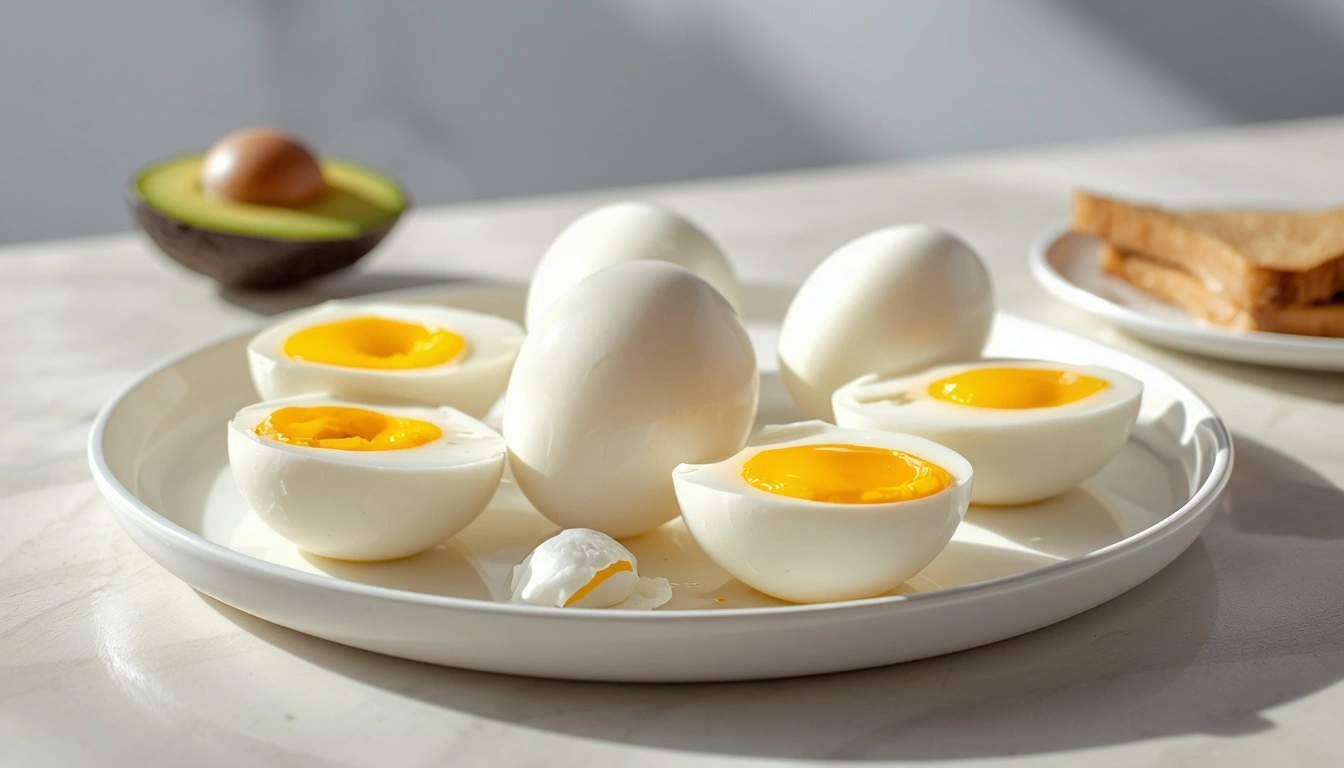
How Much Protein Is in 5 Eggs? Amazing Nutrition Facts—the short answer is that 5 large whole eggs give you roughly 30 to 31.5 grams of complete, high-quality protein along with around 360 calories.
This is the exact metric running through your mind when you stand in front of your kitchen counter at 7:00 AM, exhausted, staring at a carton of eggs while trying to pack a quick meal before the morning commute.
Between juggling work deadlines, managing home chores, dealing with evening traffic, and trying to stay remotely healthy, finding time for an elaborate meal feels almost impossible. Most of us default to quick snacks—a hasty slice of toast, a sweet biscuit with hot chai, or a sugary cereal bowl. Two hours later, the energy crash hits hard. Your stomach growls during an important call, and you find yourself reaching for another cup of coffee or a bag of chips.
Honestly, we have all been there. Emotional eating and time crunch are real struggles whether you are working in Mumbai, London, Toronto, or Bengaluru. But keeping your diet on track does not mean spending two hours meal-prepping complex dishes. Sometimes, the simplest solution in your fridge is the most effective.
Let us break down everything about egg protein, nutrition numbers, cooking methods, and how this simple habit can simplify your daily routine.
Table of Contents
How Much Protein Is in 5 Eggs? Amazing Nutrition Facts Explained
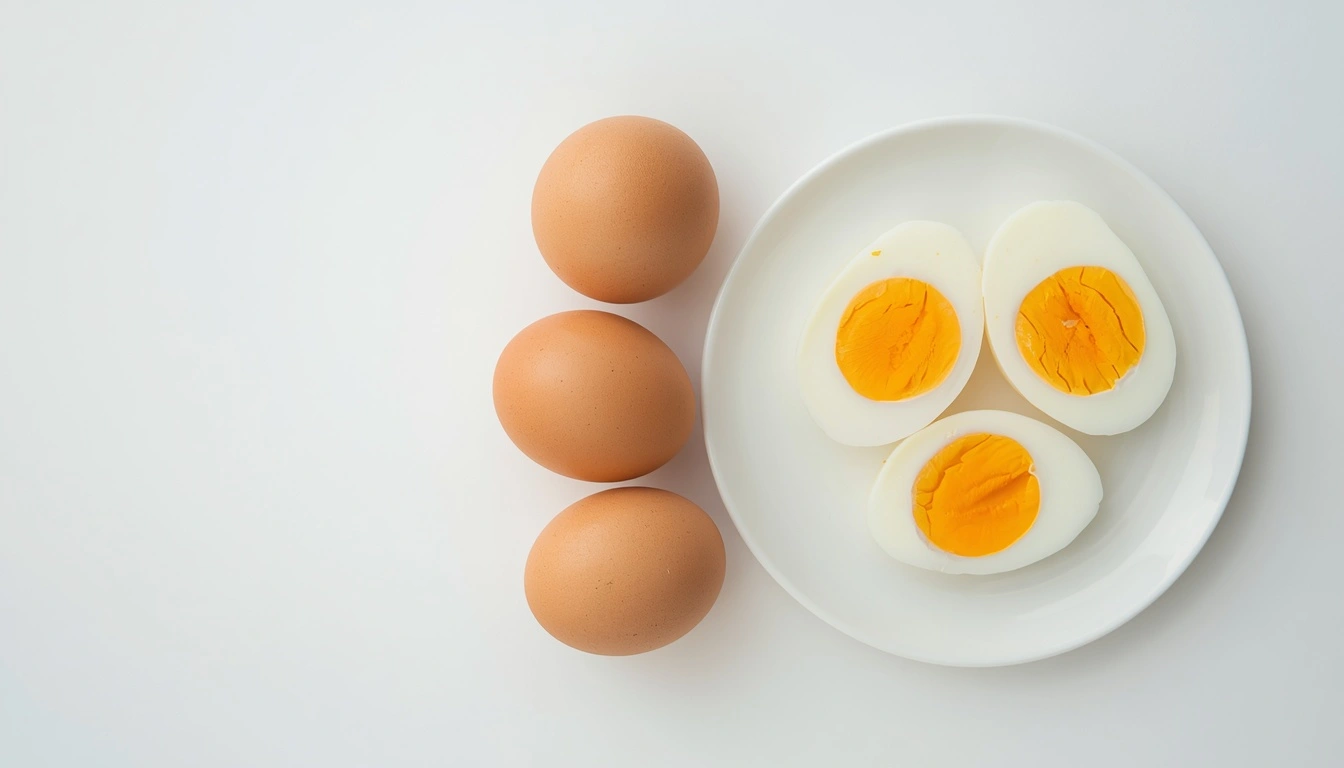
To give you the direct answer straight away: 5 large whole eggs contain approximately 30 to 31.5 grams of complete, high-quality protein.
When asking how much protein is in 5 eggs, what most people don’t realize is that egg protein is considered the absolute gold standard in nutrition. Biologically, your body absorbs and utilizes the protein in eggs more efficiently than almost any other whole food source.
Here is a quick snapshot of the nutritional profile you get when calculating how much protein is in 5 eggs, along with other essential macro and micronutrients:
|
Nutrient |
Amount in 5 Large Eggs |
|
Total Protein |
~31 grams |
|
Total Calories |
~360–375 kcal |
|
Healthy Fats |
~24 grams |
|
Carbohydrates |
~1.8 grams |
|
~735 mg (Over 100% of daily value) |
|
|
Vitamin B12 |
~2.2 mcg |
|
Vitamin D |
~200 IU |
That is a solid 31 grams of protein packed into a quick meal that takes under ten minutes to prepare. Whether your fitness goal is building lean muscle, managing weight, or just staying full through long office meetings, understanding how much protein is in 5 eggs shows why this humble food packs such a heavy nutritional punch.
Raw vs. Boiled vs. Fried: How Cooking Changes the Math
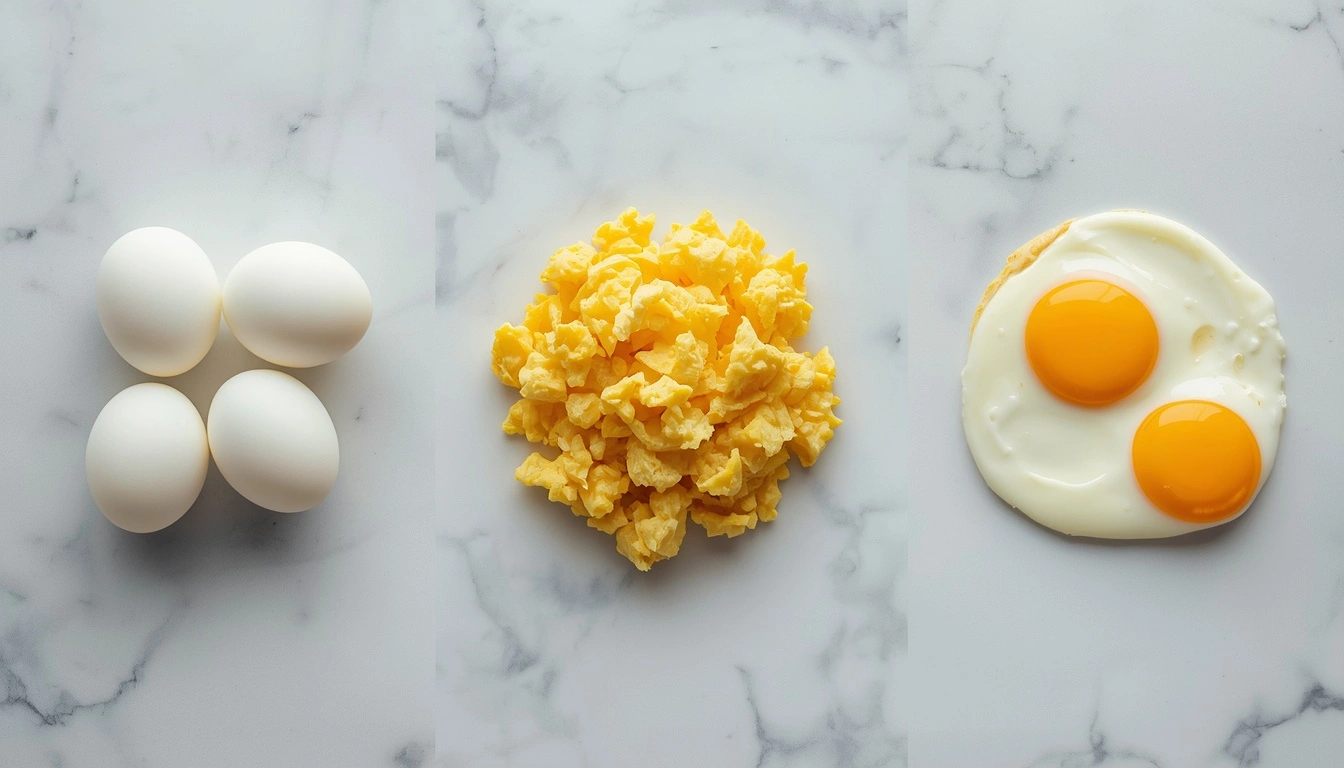
The good part is that eggs are incredibly versatile. However, how you cook them subtly changes their calories and how well your body absorbs the protein.
1. Hard-Boiled or Soft-Boiled Eggs
Boiling is the cleanest way to prepare eggs. There are no added oils or fats, meaning you get the pure nutrition of the egg itself.
- Protein: ~31 grams
- Calories: ~360 kcal
- Best for: Busy professionals and students who like to batch-cook breakfast on Sunday night.
2. Scrambled or Omelet Style
When you whip up scrambled eggs or a classic masala omelet with onions, tomatoes, and green chilies, people often wonder how much protein is in 5 eggs cooked this way. The protein content remains virtually the same (~31 grams), but the total calories will rise based on your cooking medium.
- Adding 1 tablespoon of butter/oil: Adds ~100–120 extra calories.
- Adding a slice of cheese: Adds ~6–7 grams of extra protein and ~100 calories.
3. Fried Eggs (Sunny-Side Up or Over Easy)
Frying eggs at high heat cooks them quickly while keeping the yolk runny. The protein remains stable at around 31 grams, but keep an eye on how much oil pools in the skillet.
4. What About 5 Egg Whites?
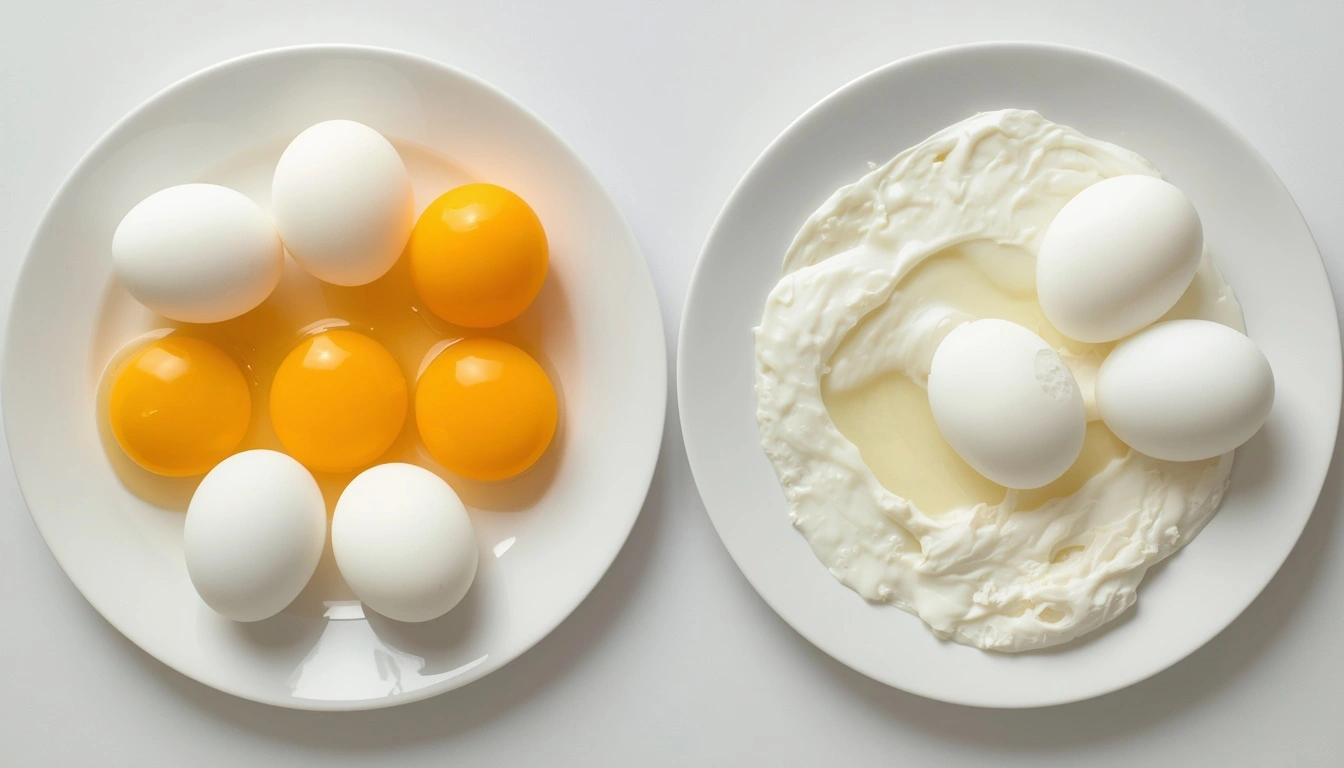
If you choose to discard the yolks and eat only 5 egg whites, people often ask how much protein is in 5 eggs without the yellow part:
- Protein: ~18 grams
- Calories: ~85 kcal
- Fats: 0 grams. While you save on calories and fat, you also leave behind key nutrients like choline, vitamin D, healthy omega-3s, and almost half of the total protein content.
Does Raw Egg Protein Absorb the Same?
We have all seen old-school fitness movies where athletes swallow raw eggs out of a glass. In my experience, this is one of the biggest fitness myths that just won’t die.
When analyzing how much protein is in 5 eggs, science shows that your body absorbs only about 50% of the protein from raw eggs, compared to roughly 90–91% from cooked eggs. Heating egg proteins changes their structure (denaturation), making them far easier for your digestive enzymes to process. Plus, cooking eliminates the risk of Salmonella bacteria. Skip the raw egg routine—cooking them tastes better and works better.
Is Eating 5 Eggs a Day Safe for Daily Health?
A common worry surrounding eggs is cholesterol. For decades, traditional guidelines warned against eating egg yolks due to dietary cholesterol fears.
Modern nutritional science has largely updated this view. When considering how much protein is in 5 eggs for daily consumption, remember that for the majority of healthy individuals, dietary cholesterol from whole foods has a minimal impact on blood cholesterol levels compared to saturated fats and refined sugars. Your liver actually regulates its own cholesterol production based on what you consume.
However, moderation and individual context matter:
- Active Individuals & Athletes: Eating 5 whole eggs daily fits well into a high-protein, calorie-burning routine.
- Sedentary Lifestyles or Pre-existing Conditions: If you have diabetes, high familial cholesterol, or heart health concerns, it is smart to mix whole eggs with whites (for instance, 2 whole eggs + 3 egg whites) or consult your physician.
Practical Tips for Adding 5 Eggs to Your Daily Routine

If you are evaluating how much protein is in 5 eggs to meet your daily fitness goals, eating five eggs in one sitting can feel heavy if you aren’t used to it. Here are practical ways to integrate them smoothly without getting bored:
- Split Them Across Meals: Have 3 hard-boiled eggs for breakfast and 2 scrambled eggs as a 4 PM office snack to beat evening hunger.
- Make a Flavorful Masala Scramble: Sauté chopped onions, tomatoes, spinach, and mild spices, then scramble in 5 eggs for a flavorful, high-fiber meal.
- Egg Salad Bowl: Dice 5 hard-boiled eggs, mix with Greek yogurt (instead of heavy mayonnaise), mustard, cucumber, and black pepper.
- Pair with Fiber: Combine your eggs with a side of avocados, whole-grain toast, or fresh veggies to keep digestion running smoothly.
Common Mistakes Beginners Make with Egg Diets
When people decide to raise their daily protein intake after learning how much protein is in 5 eggs, they often fall into a few easily avoidable traps:
- Relying Solely on Egg Whites: Throwing away all the yolks strips away essential vitamins like B12, A, D, and iron. Keep at least 2–3 yolks for balanced nutrition.
- Overcooking to Leathery Textures: Overcooking eggs makes them tough to chew and can degrade light-sensitive vitamins. Keep scrambled eggs soft and creamy.
- Using Excessive Cooking Oils: Drowning 5 eggs in tablespoons of poor-quality oil can double the meal’s caloric load without adding nutritional value.
- Ignoring Hydration and Fiber: High-protein diets require adequate water intake and dietary fiber from vegetables or whole grains to prevent constipation.
Physical and Emotional Benefits of a High-Protein Egg Habit
Knowing how much protein is in 5 eggs is great, but switching from high-carb breakfasts to a protein-focused meal brings noticeable daily improvements:
Eggs provide high-quality protein along with several essential nutrients, making them a convenient addition to a balanced diet.
- Sustained Physical Energy: Unlike sugary cereals or sweet pastries that cause sharp glucose spikes and crashes, protein provides a steady release of fuel for hours.
- Reduced Late-Night Cravings: High-protein meals stimulate fullness hormones like PYY and GLP-1 while reducing ghrelin (the hunger hormone). You naturally crave fewer sugary snacks at night.
- Enhanced Muscle Recovery: Consuming ~31 grams of leucine-rich protein aids tissue repair after gym sessions, long walks, or demanding physical work.
- Mental Clarity: Eggs contain rich amounts of choline, a vital precursor for acetylcholine—a neurotransmitter responsible for mood, memory, and focus.
Making Small, Sustainable Choices
Understanding How Much Protein Is in 5 Eggs? Amazing Nutrition Facts shows us that healthy living does not require complicated meal plans or expensive supplements.
You don’t need to completely overhaul your life overnight. If eating 5 eggs feels overwhelming right now, start with 2 or 3 tomorrow morning. Notice how your body feels at 11:00 AM compared to when you eat a bakery treat or sugary drink. Pay attention to your energy levels, focus, and appetite.
Health is built through tiny, consistent choices made day after day. A simple carton of eggs in your fridge might just be the easiest place to start.
Frequently Asked Questions (FAQs)
Item #1
How much protein is in 5 eggs if they are hard-boiled?
When asked how much protein is in 5 eggs that are hard-boiled, 5 large eggs yield approximately 30 to 31 grams of high-quality protein and around 360 calories.
Item #2
How much protein is in 5 egg whites versus 5 whole eggs?
5 whole eggs provide about 31 grams of protein, while 5 egg whites contain roughly 18 grams of protein with almost zero fat.
Item #3
Can I eat 5 eggs every day for muscle building?
Yes, 5 eggs provide roughly 31 grams of complete protein containing all nine essential amino acids, making them an excellent choice for muscle repair and athletic recovery.
Item #4
Is it better to cook eggs or eat them raw for more protein?
Cooked eggs are significantly better. Your body digests and absorbs around 90% of the protein in cooked eggs, compared to only 50% in raw eggs.
Item #5
What is the best time of day to eat 5 eggs?
Breakfast is ideal because high protein early in the day stabilizes blood sugar and curbs appetite. However, they also make a quick post-workout recovery meal or simple dinner option.