
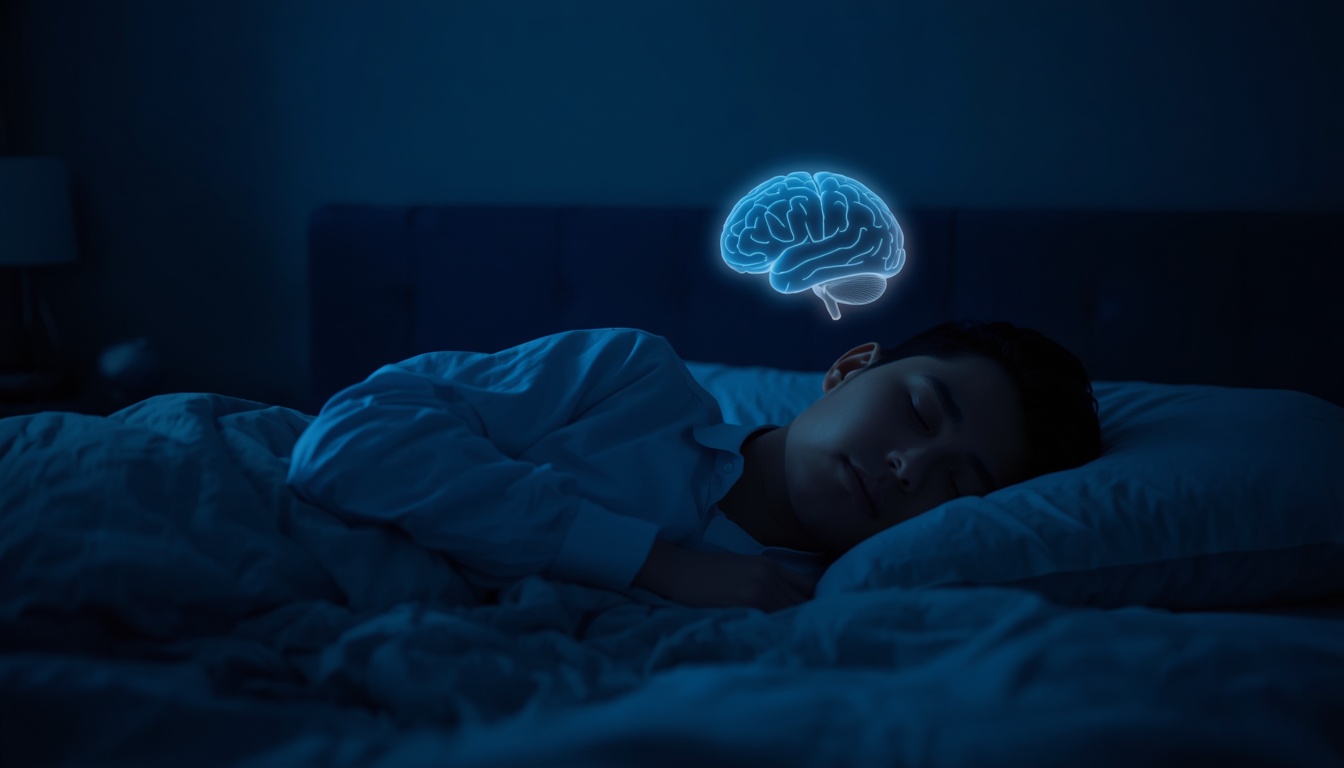
How Much Deep Sleep Do You Need Every Night? I can still picture those months in Hyderabad. A startup job, getting home past midnight, and falling onto the bed with my phone still in hand. Seven hours of sleep. Sometimes eight. And yet, each sunrise was a struggle. My limbs felt like lead. My head stayed wrapped in cotton. Chai became my crutch — two cups minimum before I could even open my inbox. I blamed the workload. I blamed my age. But the truth was hiding somewhere else. Sleep was happening, sure. But real recovery? That wasn’t.
Sound familiar? You’re not the only one. Most of us count hours in bed. But the question that actually matters is different — how much deep sleep do you need every night? And are you actually getting it? Let’s talk about this. No medical jargon. Just simple, honest conversation.
Understanding how much deep sleep do you need every night can help you make better choices about your sleep routine.
Table of Contents
What Is Deep Sleep, Really?
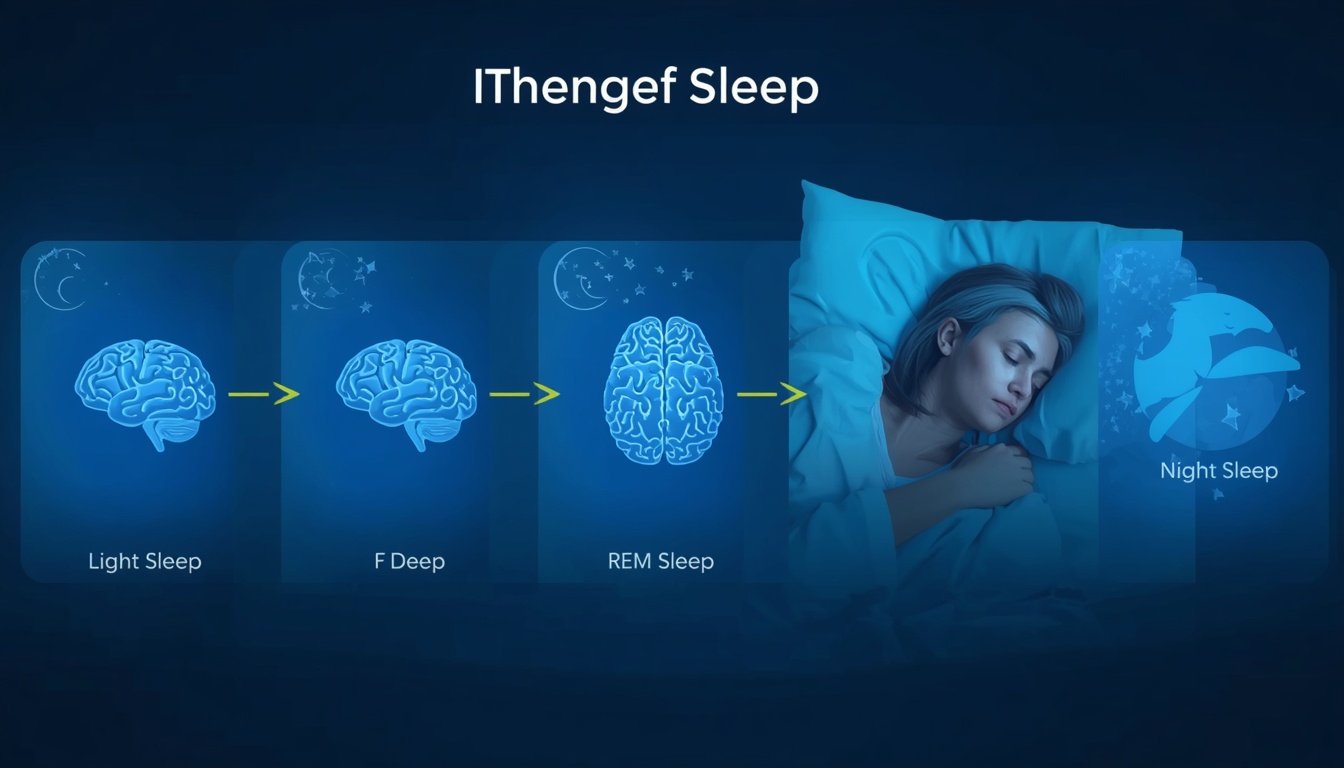
As soon as your head hits the pillow, your brain begins its nightly routine. It follows a rhythm. Roughly every hour and a half to two hours, one full cycle wraps up. Inside each cycle, there are stages — light sleep, deep sleep, and REM sleep. This pattern repeats all night.
Deep sleep is the phase doctors call slow-wave sleep. Brain activity drops. Heartbeat settles. Breathing becomes slow and even. Every muscle lets go of tension. This is an important stage of sleep when the body supports tissue repair and recovery.
Here’s an easy way to picture it. Light sleep is like your phone sitting on standby. Deep sleep is when it actually charges. Tissues rebuild. Immunity strengthens. Growth hormones are released. Deep sleep is also associated with processes that help support brain health.
. In short — deep sleep is where real recovery happens. Knowing how much deep sleep do you need every night is also important because this stage plays a key role in overnight recovery.
So, How Much Deep Sleep Do You Need Every Night?
Let’s get straight to the number. For most healthy adults, deep sleep should make up roughly 13 to 25 percent of total sleep time. That means if you sleep 7 to 8 hours, you should be getting about 1 to 2 hours of deep sleep.
Let me break it down further. Sleep 8 hours — you might get around 100 to 120 minutes of deep sleep. Sleep 6 hours — you’re looking at roughly 50 to 70 minutes.
But here’s the thing. Everyone is different. Your genes matter. Your daily activity matters. And your age matters a lot. For adults, getting enough total sleep is important for overall health and well-being
How Age Affects Deep Sleep
Kids and teenagers need more deep sleep. Their bodies are growing. Their brains are developing. So deep sleep takes up a bigger share of their total sleep. As you grow older, deep sleep naturally reduces. That doesn’t mean anything is broken. It’s just how the body changes.
This is one reason why how much deep sleep you need every night can vary from one person to another. If you’re wondering how much deep sleep do you need every night, your age is one factor to consider.
Most people don’t realize that deep sleep happens mostly in the first half of the night. Because deep sleep is more concentrated earlier in the night, repeatedly cutting short the first part of your sleep may reduce the amount of deep sleep you get. That’s why sleeping from 11 PM to 6 AM feels completely different from sleeping from 2 AM to 9 AM — even though both give you 7 hours.
Why Is Deep Sleep So Important?
I used to believe sleep was just sleep. But the research says otherwise. Learning how much deep sleep do you need every night is a useful first step toward understanding your overall sleep quality
A study of over 95,000 people found that those who got more deep sleep had lower chances of developing type 2 diabetes and major depression. Another study linked poor deep sleep to a higher risk of dementia and Alzheimer’s disease.
Your heart benefits too. The slow waves during deep sleep help your cardiovascular system recover. Better deep sleep means better heart function and faster recovery after exercise.
Now let’s talk about what you actually feel. With enough deep sleep, mornings feel lighter. Your temper stays even. Recall sharpens. Quality sleep may support your energy, mood, focus, and overall well-being. And you don’t need that extra cup of chai to survive the afternoon.
Signs You're Not Getting Enough Deep Sleep
How do you know if you’re falling short? Here are some real signs I’ve felt myself and heard from others.
If you’re wondering how much deep sleep do you need every night, these signs can help you understand whether you’re getting enough restorative sleep.
You get seven or eight hours in bed, yet mornings still drag. One cup of tea becomes three, then four. Concentration slips at work. Small things set you off. Exercise feels like climbing a mountain. And every seasonal bug seems to find you.
These aren’t just bad days. They’re warning signs. Your body is telling you it’s not getting the recovery it needs.
If you’re sleeping enough but still struggling with your weight, you may also want to look at other common reasons for not losing weight.
Easy Ways to Boost Your Deep Sleep Tonight
The good news? You can improve your deep sleep. You don’t need expensive gadgets or a complicated routine. Tiny changes, repeated daily, can make a big difference.
Once you understand how How Much Deep Sleep Do You Need Every Night, the next step is building simple habits that help your body get the restorative sleep it needs.
Keep a Fixed Sleep Schedule
Your body craves rhythm. Sleeping and waking at roughly the same time daily helps your internal clock work properly. This directly affects when and how you enter deep sleep. Weekend lie-ins feel nice, but try to keep the difference within an hour.
Make Your Room Cool
Here’s the thing — your body has to cool down first. Only then does deep sleep kick in. If your room is warm, your body can’t cool down properly. A bedroom temperature of about 15–19°C can help create a comfortable environment for sleep. In Indian summers, use the AC or fan wisely. Keep the room dark and quiet. If you’re in a hostel, earplugs and an eye mask will save your sleep.
Stop Caffeine by Early Afternoon
That 5 PM cup of chai feels harmless. But caffeine lingers far longer than most people think. It pushes deep sleep later and makes it shallower. If you’re sensitive, finish your last cup by 2 PM.
Skip Alcohol Before Bed
Alcohol helps you fall asleep faster. But here’s the catch — a few hours later, your deep sleep gets disturbed. You end up waking up multiple times and getting shallow rest. If you drink, stop at least three hours before bed.
Get Morning Sunlight
Want better sleep at night? Start your morning with sunlight. Early light resets your body clock. A reset clock means deeper, better sleep when night comes. Fifteen minutes is enough. Balcony, terrace, or a short walk — pick one.
Move Your Body Daily
Regular physical activity — even a simple 30-minute walk — improves deep sleep. Your body repairs itself better when it’s been used. Just don’t do intense workouts right before bed.
Common Mistakes That Destroy Deep Sleep
I’ve made almost all of these. Learn from my mistakes.
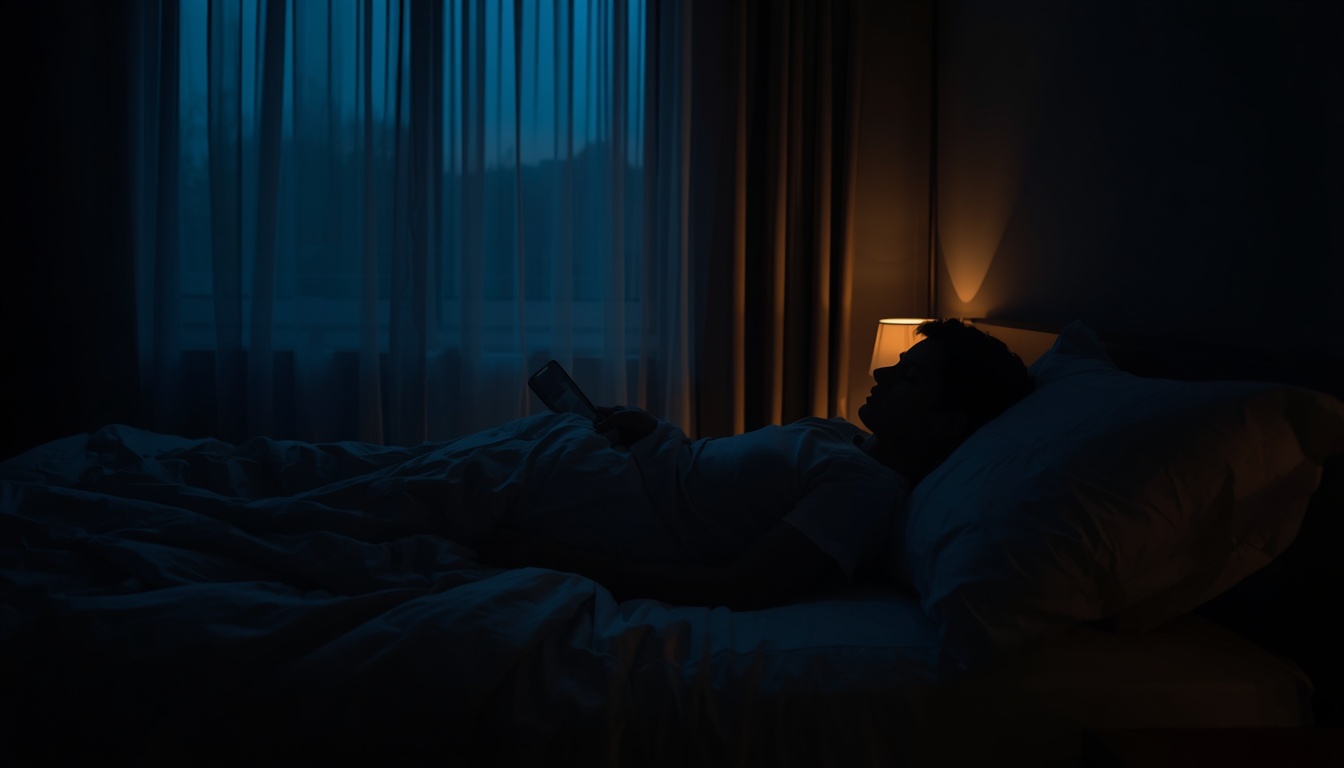
Scrolling on your phone in bed can make it harder to wind down. Bright light from your phone can affect melatonin release, while social media and other stimulating content can keep your brain alert. Put the phone away at least 30 minutes before bed.
Eating a heavy dinner late. A full stomach makes deep sleep harder. Finish dinner at least 2-3 hours before bed. If you’re hungry later, a small glass of warm milk is a better choice.
If you need a more satisfying start to the day, choosing a high-protein breakfast can be a simple way to improve your daily eating habits.
Ignoring stress. When your mind stays busy or worried, it can make it harder to relax and settle into deep sleep. Try journaling, taking a few slow breaths, or doing a short meditation before bed to help your mind wind down.
Sleeping at different times every night. Going to bed at 10 PM one day and 2 AM the next confuses your body. Your sleep stages get disturbed. Consistency matters more than you think.
Late nights during weddings or festivals. It happens. But get back to your routine within 2-3 days. Otherwise, your sleep cycle gets messed up.
Benefits of Deep Sleep — Emotional and Physical
When you get enough deep sleep, what actually happens?
You wake up fresh. Your eyes open before the alarm. You feel like getting out of bed.
Your mood stays stable. Small things don’t irritate you. You don’t snap at family.
Your focus improves. Work gets done faster. Your mind doesn’t wander.
Energy lasts all day. No 4 PM crash. Less dependence on tea or coffee.
Your immunity gets stronger. You don’t fall sick every time the season changes.
Your skin glows. People ask what you’ve been doing. The answer is simple — you slept well.
Long-term health. Lower risk of diabetes, heart disease, and dementia. This isn’t just about today. It’s an investment for your future.
The Bottom Line
So, how much deep sleep do you need every night? For most adults, the answer is 1 to 2 hours. But here’s the truth — you can’t force your body into deep sleep. You can only create the right conditions for it to happen.
The most important step is to protect your total sleep time. Aim for 7 to 9 hours of quality sleep. Keep your schedule consistent. Make your room cool, dark, and quiet. Manage stress. Move your body. Cut back on caffeine and alcohol close to bedtime.
Don’t obsess over sleep tracker numbers. The best measure is how you feel when you wake up. Are you refreshed? Alert? Ready to take on the day? That’s your real data.
You don’t need to be perfect starting tonight. Just change one thing. Put your phone away from the bed. Or make your room a little cooler. Or finish dinner before 8 PM. Just one night. Then see how you feel. Tiny changes, done consistently — that’s what makes the real difference.
Frequently Asked Questions
Item #1
How much deep sleep do I need every night?
Everyone is different. But if you sleep 7-8 hours, you should get about 1-2 hours of deep sleep
Item #2
Can you get too much deep sleep?
In some cases, yes. Too much deep sleep can signal an underlying health issue or extreme fatigue. But for most people, the problem is getting too little, not too much.
Item #3
What happens if I don't get enough deep sleep?
You feel tired even after sleeping enough hours. Over time, poor deep sleep is linked to weak immunity, memory problems, mood issues, and a higher risk of diabetes and heart disease.
Item #4
Can I catch up on deep sleep on weekends?
To some extent, yes. But you can’t fully make up for a week of poor sleep in two days. Daily consistency works better than weekend catch-up.
Item #5
Does deep sleep decrease with age?
Yes. Deep sleep naturally reduces as you get older. This is a normal biological change. Older adults spend more time in lighter sleep stages.
Item #6
Are sleep trackers accurate?
Wearables give you a rough idea, not perfect data. The best measure is how you feel in the morning. Fresh? Alert? Ready? That’s your real data.
Item #7
How Much Deep Sleep Do You Need Every Night
For most healthy adults, deep sleep usually makes up around 13% to 25% of total sleep time. For someone sleeping 7 to 8 hours, that can be roughly 1 to 2 hours.