
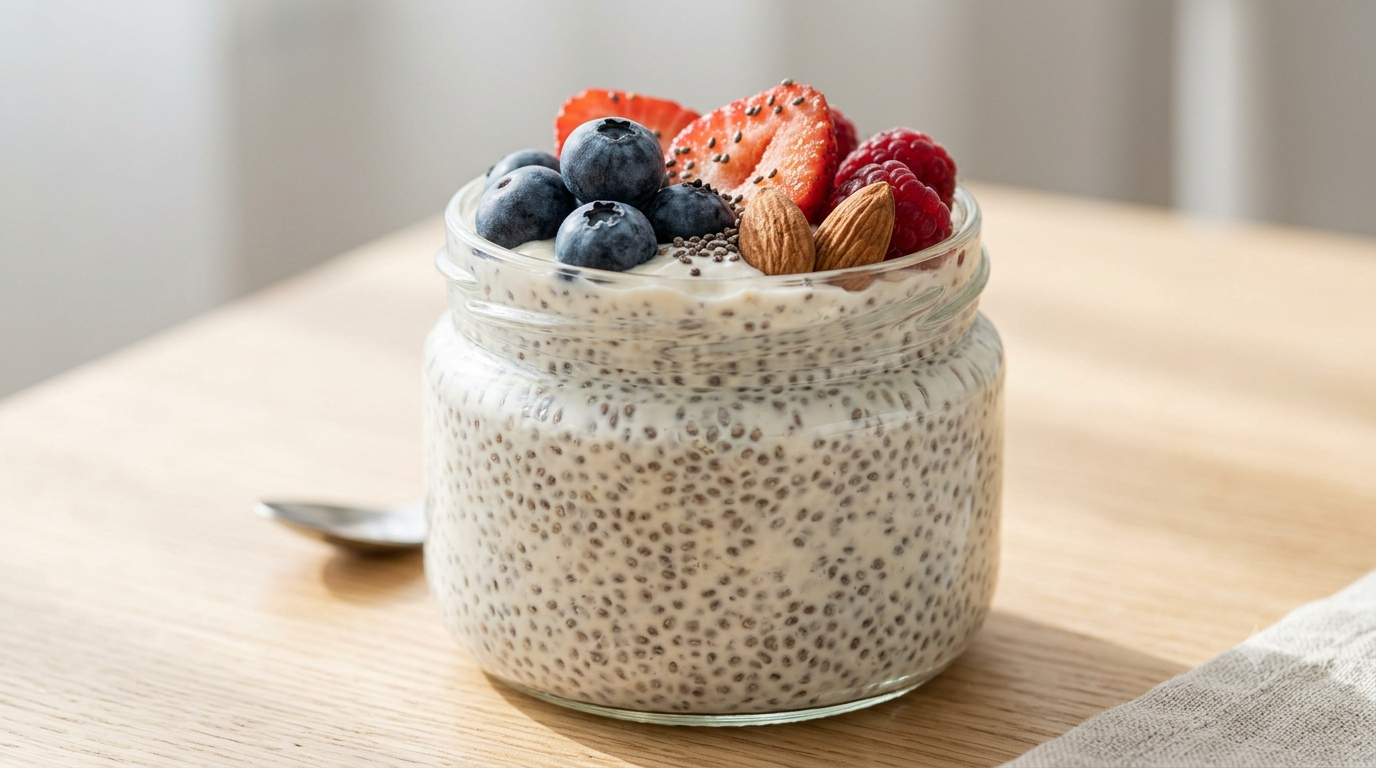
Chia seed pudding benefits are one reason this simple breakfast has become so popular among people looking for an easy, filling way to add more fiber, healthy fats, and plant-based nutrition to their diet.
If you have never tried chia seed pudding, the idea is surprisingly simple: chia seeds are mixed with milk or another liquid and left to absorb the liquid until they form a soft, pudding-like texture. You can then add fruit, nuts, cinnamon, yogurt, or other toppings to make it more enjoyable.
But is chia seed pudding actually healthy, or is it simply another food trend? It can be a nutritious choice, especially when you use wholesome ingredients and keep added sugar under control. Chia seeds provide fiber, protein, omega-3 fatty acids, and several minerals, but they’re one part of a balanced diet, not a miracle food.
Table of Contents
What Is Chia Seed Pudding?
When people look up chia seed pudding benefits, they are usually asking whether this breakfast is genuinely nutritious and worth adding to a routine.
Chia seed pudding is a no-cook breakfast or snack made by soaking chia seeds in a liquid. As the seeds absorb liquid, they develop a thick, gel-like consistency.
A basic version needs only three ingredients:
- 2 tablespoons chia seeds
- 1/2 to 3/4 cup milk or unsweetened plant milk
- Fruit, cinnamon, vanilla, or another topping for flavor
Mix the ingredients, let the mixture sit for at least 15–20 minutes, and refrigerate it if you want a chilled pudding. Leaving it overnight gives the seeds more time to soften and creates a thicker texture.
The texture comes from the fiber and mucilage in chia seeds, which can absorb a large amount of liquid. Harvard’s Nutrition Source notes that chia seeds can absorb many times their weight in liquid and are commonly prepared with moist foods.
Chia Seed Pudding Nutrition
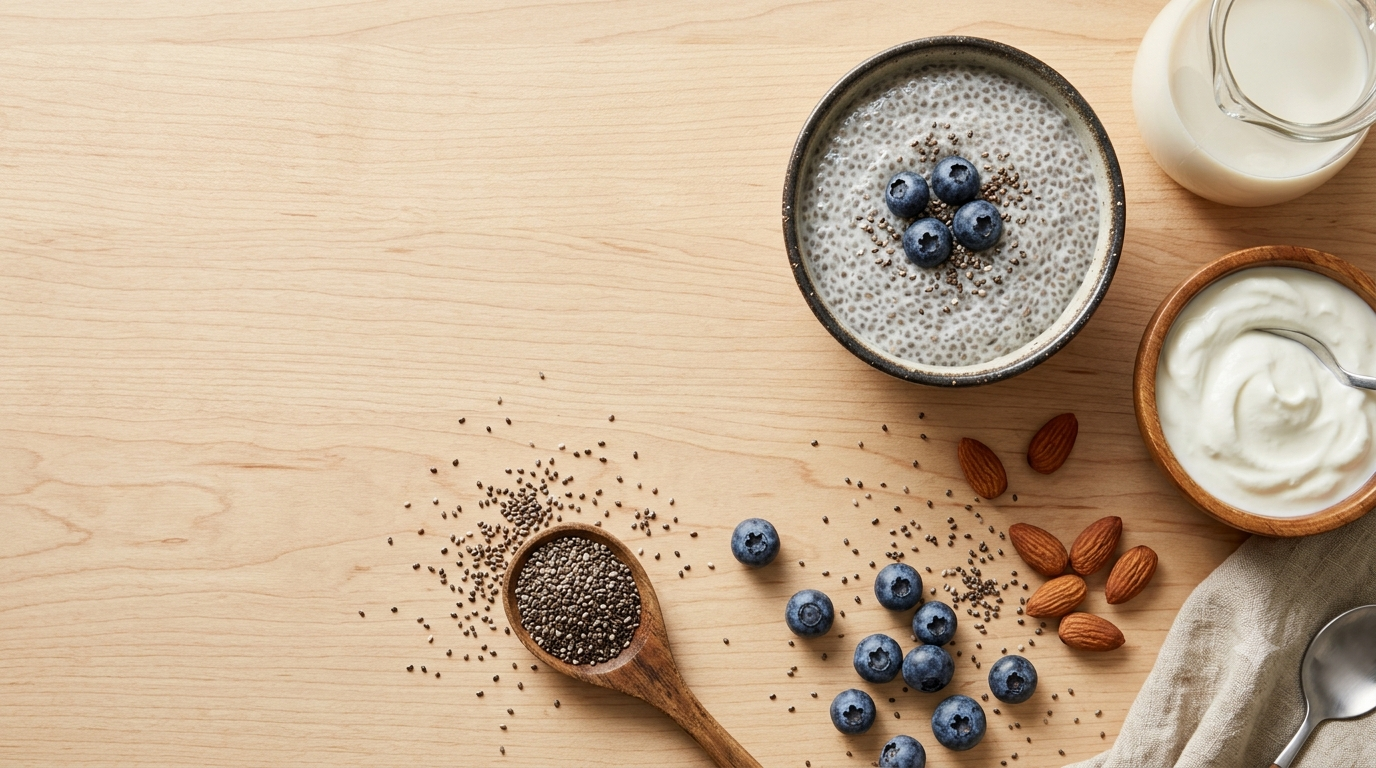
Understanding the nutrition behind the recipe makes the chia seed pudding benefits easier to put into perspective.
One of the main reasons this breakfast can be useful is the nutritional value of chia seeds themselves.
About 2 tablespoons (28 grams) of chia seeds provide approximately:
- 140 calories
- 4 grams of protein
- 11 grams of fiber
- 7 grams of unsaturated fat
- Calcium, phosphorus, and zinc
- Plant-based omega-3 fatty acids in the form of ALA
The final nutrition of your pudding depends on what you add. Whole milk, Greek yogurt, fruit, nuts, nut butter, maple syrup, honey, and flavored plant milks can all change the calorie, protein, carbohydrate, and sugar content.Choosing nutritious ingredients can make a simple breakfast more balanced.
For a more balanced bowl, consider using unsweetened milk, plain Greek yogurt, fresh berries, and a small amount of nuts or seeds.
7 Chia Seed Pudding Benefits
1. It Is High in Dietary Fiber
This is one of the most practical chia seed pudding benefits for people who struggle to get enough fiber from everyday meals.
Two tablespoons of chia seeds provide around 11 grams of fiber. Fiber can support normal digestion, help you feel full after eating, and contribute to a healthy overall diet.
Chia seeds contain both insoluble fiber and soluble fiber-like mucilage. Soluble fiber can form a gel and slow digestion, while insoluble fiber adds bulk to stool.
If your usual breakfast is low in fiber, adding chia seeds can be an easy way to increase your intake.
2. It Can Help You Feel Full
Another of the commonly discussed chia seed pudding benefits is its potential to make a breakfast feel more satisfying.
Fiber tends to slow digestion and can help increase feelings of fullness. Chia seeds also provide some protein and unsaturated fat, which can make a meal more substantial.
This does not mean chia pudding automatically causes weight loss. Your overall calorie intake, food choices, physical activity, sleep, and other lifestyle factors still matter.
For a filling breakfast, pair chia pudding with a protein-rich food such as plain Greek yogurt and add fresh fruit for flavor and extra nutrients.
3. It Provides Plant-Based Omega-3 Fats
The omega-3 content is another reason chia seed pudding benefits get so much attention in nutrition discussions.
Chia seeds are particularly rich in alpha-linolenic acid (ALA), a plant-based omega-3 fatty acid. They are considered one of the richest plant sources of ALA.
Omega-3 fats are important nutrients, but it is important not to overstate what chia seeds can do on their own. Research does not show that simply eating chia seeds guarantees better heart health or weight loss.
Instead, chia seeds can contribute useful nutrients when they are included in an overall eating pattern that contains vegetables, fruits, whole grains, legumes, nuts, and other minimally processed foods.
4. It Can Be an Easy Way to Add More Nutrients to Breakfast
Convenience is an often-overlooked part of chia seed pudding benefits, especially for busy mornings.
Breakfast can become repetitive, especially when mornings are busy. Chia pudding gives you a simple base that can be changed in many ways.
You can add:
- Strawberries or blueberries
- Banana slices
- Apple and cinnamon
- Unsweetened coconut
- Walnuts or almonds
- Pumpkin seeds
- Plain Greek yogurt
- A small spoonful of nut butter
This flexibility is another practical advantage. Instead of relying on a sugary breakfast product, you can build a bowl around nutrient-dense ingredients.
5. It May Support Digestive Health
For people focused on fiber and digestion, chia seed pudding benefits are largely connected to the seeds’ fiber content.
Dietary fiber helps move food through the digestive system, and certain types of fiber can also interact with beneficial gut bacteria. However, more fiber is not always better immediately. If you are not used to high-fiber foods, suddenly eating a large amount can cause bloating or stomach discomfort. Your overall food choices also matter when it comes to supporting a healthy gut.
Start with a modest serving and drink enough fluids throughout the day. As your body gets used to more fiber, you can gradually adjust your intake.
6. It Can Provide Useful Minerals
The mineral content adds to the overall chia seed pudding benefits without making the food complicated.
Chia seeds contain several minerals, including calcium, phosphorus, and zinc.
Calcium is important for bones and teeth, phosphorus is involved in bones and energy metabolism, and zinc supports many processes in the body.
The amount you get from a serving of pudding depends on the recipe. Using fortified milk or plant milk can change the nutritional profile further.
7. It Is Convenient for Busy Mornings
This simple preparation method is one of the most useful chia seed pudding benefits in real life.
Chia pudding can be prepared the night before, stored in the refrigerator, and topped when you are ready to eat. That makes it useful for people who do not have much time to cook in the morning.
You can prepare two or three servings at once, although the exact storage time depends on the ingredients and how they are handled. Keep prepared pudding refrigerated and use clean containers and utensils.
Is Chia Seed Pudding Good for Weight Loss?
Weight management is another reason people search for chia seed pudding benefits, but the evidence should be understood realistically.
Chia seed pudding can fit into a weight-loss diet, but it should not be treated as a weight-loss food by itself. If you’re trying to lose weight, understanding the common reasons your scale may not be moving can also help.
The fiber in chia seeds may help you feel satisfied, which can make a high-fiber breakfast more filling. But the total calories in your bowl matter. A pudding made with full-fat dairy, sweetened milk, honey, chocolate, granola, and nut butter can become much more calorie-dense than a simple version.
If weight loss is your goal, focus on the whole meal rather than one ingredient.
A simple combination could be:
- Chia seeds
- Unsweetened milk
- Plain Greek yogurt
- Berries
- Cinnamon
This provides fiber, protein, and other nutrients without requiring a lot of added sugar.
How to Make Chia Seed Pudding
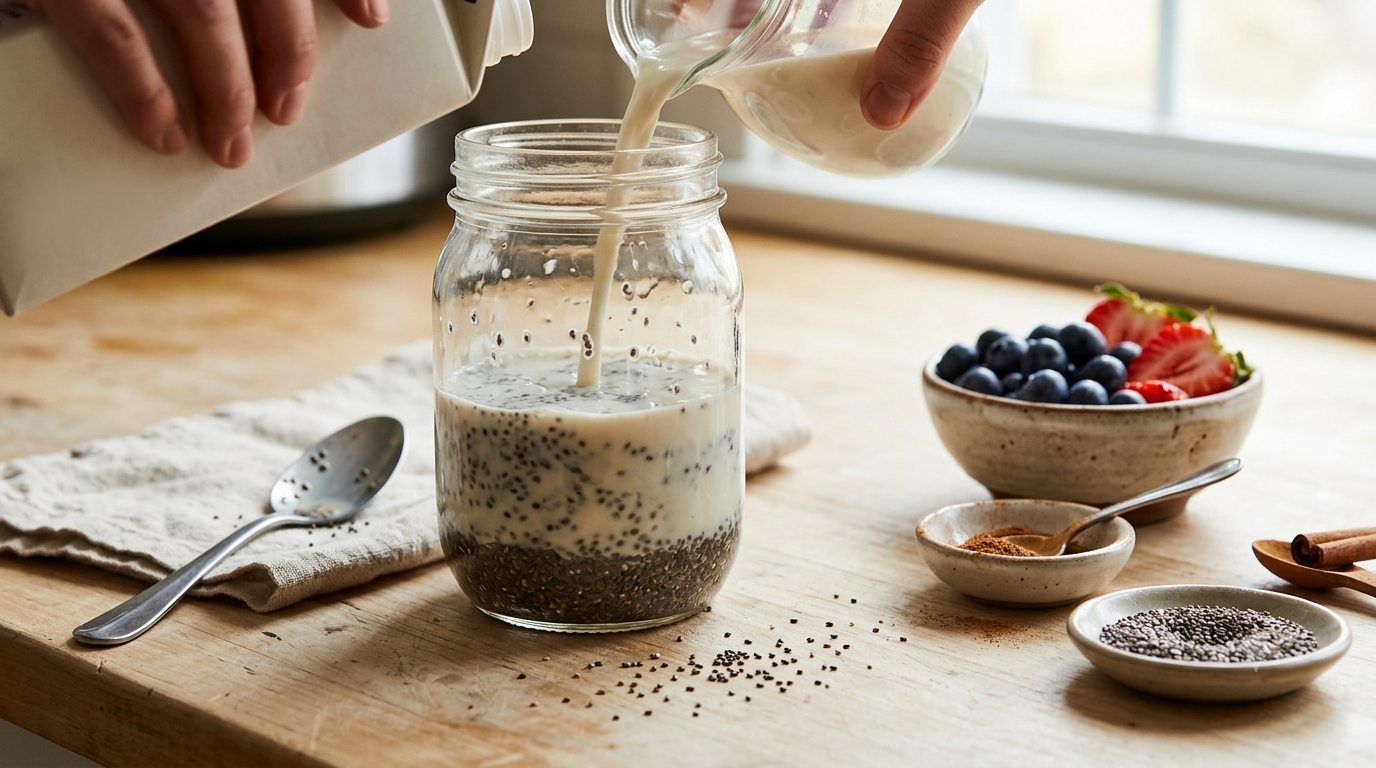
Here is a simple recipe you can adjust to your taste.
Ingredients
- 2 tablespoons chia seeds
- 1/2 cup unsweetened milk
- 1/4 cup plain Greek yogurt, optional
- 1/2 teaspoon vanilla extract
- Fresh berries or sliced fruit
- Cinnamon, optional
Instructions
- Add chia seeds and milk to a small jar or bowl.
- Stir well so the seeds do not settle together.
- Add yogurt and vanilla if using.
- Stir again after about 5–10 minutes.
- Cover and refrigerate for several hours or overnight.
- Add fruit, cinnamon, nuts, or seeds before serving.
If the pudding is too thick, add a little more milk. If it is too thin, add a small amount of chia seeds and give it more time to thicken.
How to Make Chia Pudding Healthier
The easiest way to improve your recipe is to focus on the ingredients around the chia seeds.
Choose:
- Unsweetened milk instead of heavily sweetened varieties
- Fresh or frozen fruit instead of lots of syrup
- Plain yogurt instead of flavored yogurt
- Nuts and seeds in moderate portions
- Cinnamon or vanilla for extra flavor
You do not need to make your pudding completely sugar-free. The main goal is to avoid turning a nutritious base into a dessert loaded with added sugar. Choosing the right ingredients can also make chia seed pudding one of your healthy snack options during a busy day.
When Is the Best Time to Eat Chia Seed Pudding?
There is no special time when you must eat chia pudding to get its nutritional value.
Many people prefer it at breakfast because it is easy to prepare in advance. It can also work as an afternoon snack or a light evening option depending on your overall diet.
What matters more than the exact timing is how the meal fits into your daily eating pattern.
How Much Chia Seed Pudding Should You Eat?
There is no single serving size that works for everyone.
A practical starting point is around 1–2 tablespoons of chia seeds in a serving, especially if you are not used to eating a lot of fiber.
If you are increasing your fiber intake, do it gradually and make sure you get enough fluids. Eating a large amount of dry chia seeds by themselves is not recommended because they expand when exposed to liquid.
People with swallowing difficulties should be especially careful with chia seeds and should discuss appropriate ways to consume them with a healthcare professional.
Are There Any Side Effects?
Chia seeds are generally considered a nutritious food, but eating a large amount suddenly may cause bloating, gas, constipation, or stomach discomfort in some people because of their high fiber content.
Another important point is preparation. Chia seeds absorb liquid and swell, so they are best consumed soaked or incorporated into a moist food rather than eaten dry by themselves. Harvard’s Nutrition Source describes a rare case of dry chia seeds contributing to an esophageal blockage and advises caution, particularly for people with swallowing difficulties.
If you have a medical condition, swallowing problems, or a digestive issue that requires a special diet, ask a qualified healthcare professional before making major changes to your diet.
Final Thoughts
Chia seed pudding can be a simple and practical way to add more fiber, plant-based omega-3 fats, protein, and minerals to your diet. Its biggest advantage is that it is easy to prepare and customize without requiring much cooking.
For the best nutritional balance, build your pudding with a sensible portion of chia seeds, an unsweetened or lower-sugar liquid, a protein-rich ingredient when appropriate, and fruit or other nutrient-dense toppings.
It is not a miracle breakfast, and you do not need to eat it every day to be healthy. Think of it as one convenient option that can make a balanced diet easier to follow.
Frequently Asked Questions
Item #1
Is chia seed pudding healthy?
Yes, chia seed pudding can be a nutritious breakfast or snack. Chia seeds provide fiber, protein, ALA omega-3 fats, and minerals. The overall nutritional value depends on the other ingredients you use.
Item #2
Can I eat chia pudding every day?
For many people, chia pudding can be included regularly as part of a balanced diet. Keep portions reasonable, increase fiber gradually if needed, and vary your diet rather than relying on one food every day.
Item #3
Is chia pudding good for digestion?
It can be. Chia seeds are rich in dietary fiber, which supports normal bowel function and contributes to a healthy diet. However, suddenly eating large amounts of fiber may cause digestive discomfort.
Item #4
Can chia pudding help with weight loss?
It can be part of a weight-loss-friendly meal because its fiber content may help with fullness. However, chia pudding does not cause weight loss on its own. The overall diet and energy balance matter.
Item #5
How long should chia pudding sit?
Chia pudding can thicken in about 15–20 minutes, but refrigerating it for several hours or overnight usually gives it a thicker, softer texture.
Item #6
Can I make chia pudding without dairy?
Yes. You can use unsweetened almond, soy, oat, coconut, or other plant-based milk. Check the nutrition label because protein and added sugar can vary significantly between products.