
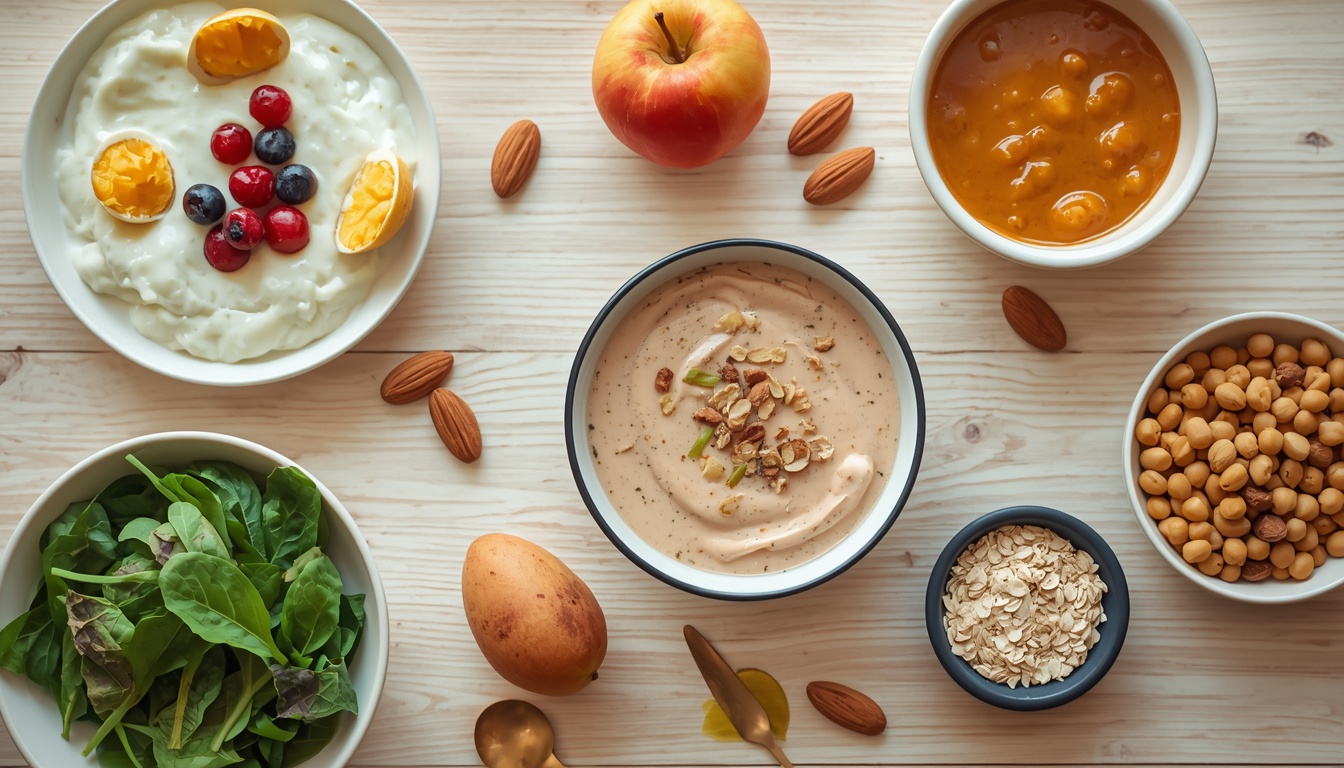
Ask ten women with PCOS what they’ve been told about food, and you’ll hear the same advice ten times: cut sugar, skip carbs, eat less. Some of it is useful. Most of it is exhausting.
Here’s what I’d rather you hear first. There is no magic PCOS diet that fixes your hormones, and anyone selling one is selling hope, not science. But what you eat really does affect your blood sugar, your energy, and how your body handles insulin. That part is worth getting right, and it doesn’t have to be complicated.
Table of Contents
What PCOS Does to Your Body
Polycystic ovary syndrome is a hormonal and metabolic condition that affects roughly one in ten women of reproductive age. A lot of women live with it for years before anyone gives it a name.
It doesn’t look the same on everyone. One person has irregular periods and nothing else. Another has acne, thinning hair, extra hair on the face, and weight that sits stubbornly around the belly. Fertility can be affected too, though many women with PCOS do get pregnant, sometimes with medical help.
Underneath all this, many women have insulin resistance. The body’s cells don’t respond well to insulin, so the body makes more of it. Higher insulin pushes up androgens, the “male” hormones, and that’s what drives many of the symptoms you can see and feel. This is also why food matters so much. It’s one of the few things that directly affects insulin.
Does a PCOS Diet Actually Work? What Food Can and Can’t Do
It can, but let’s be realistic about what that means. Food won’t cure PCOS. What it can do is make things steadier, and research on lifestyle changes in PCOS backs that up.
When you eat carbs together with protein and fiber, sugar enters your blood more slowly, and your body needs less insulin to deal with it. Over time, that can mean fewer energy crashes, fewer cravings, and a better chance of managing your weight. Eating patterns built around whole foods, like Mediterranean-style eating, may also help calm inflammation. And since PCOS raises the long-term risk of type 2 diabetes and heart disease, eating well now is a kind of insurance.
I’d also say this: consistency beats perfection. A plan you follow 80 percent of the time will do more for you than a perfect plan you quit after ten days.
15 PCOS-Friendly Foods to Stock Up On
These are the foods I’d put at the top of any PCOS diet shopping list. None of them treat PCOS on its own. They’re just reliable, affordable choices that keep blood sugar steadier and keep you full.
Protein foods
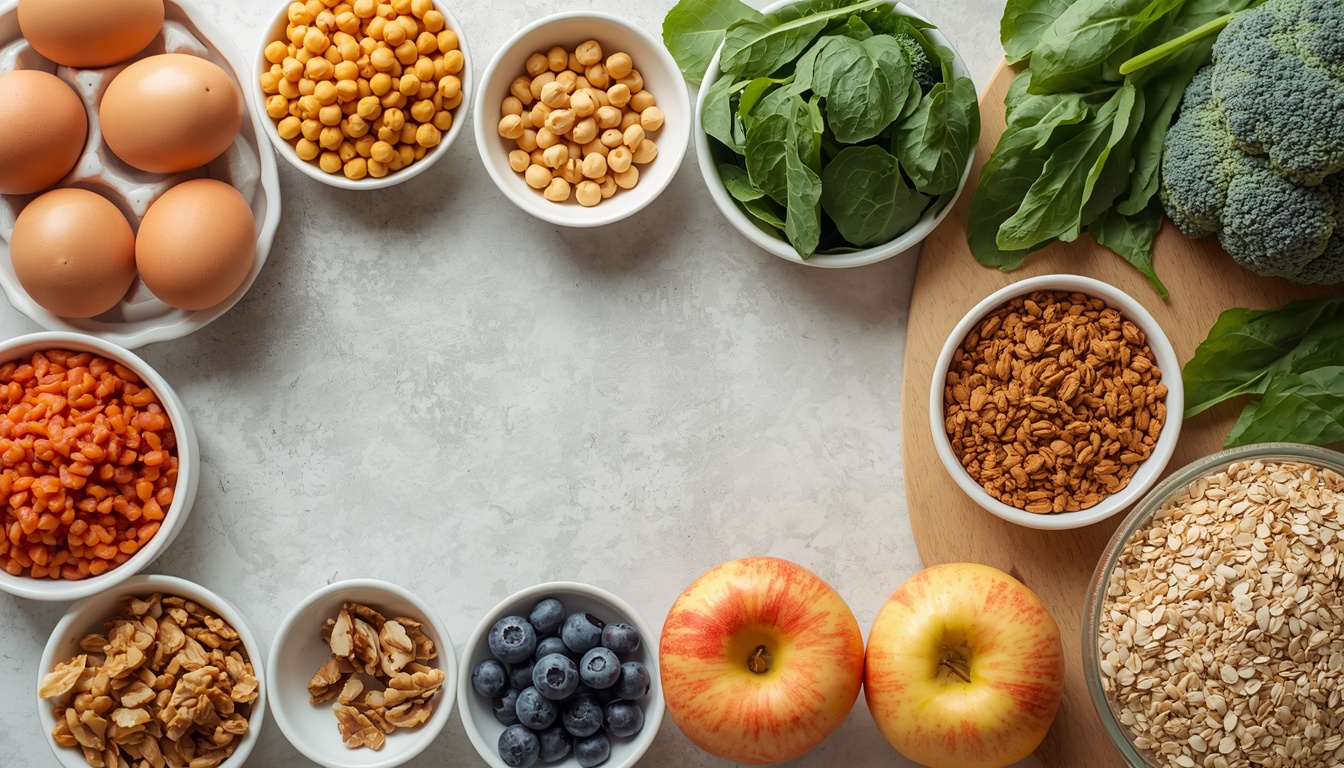
Eggs are the easiest place to start, with complete protein plus vitamin B12 and vitamin D. Boil half a dozen on Sunday and breakfast is sorted for days. Plain yogurt is one of the simplest things to add to your day. Homemade dahi or thick Greek yogurt either one gives you protein, calcium, and gut-friendly probiotics in a single bowl. Skip the flavored ones, which often have as much sugar as a dessert. Fatty fish like salmon, sardines, and mackerel are rich in omega-3 fats, which may help with inflammation and insulin sensitivity. If you eat fish, aim for a couple of servings a week.
Dal, chana, and beans
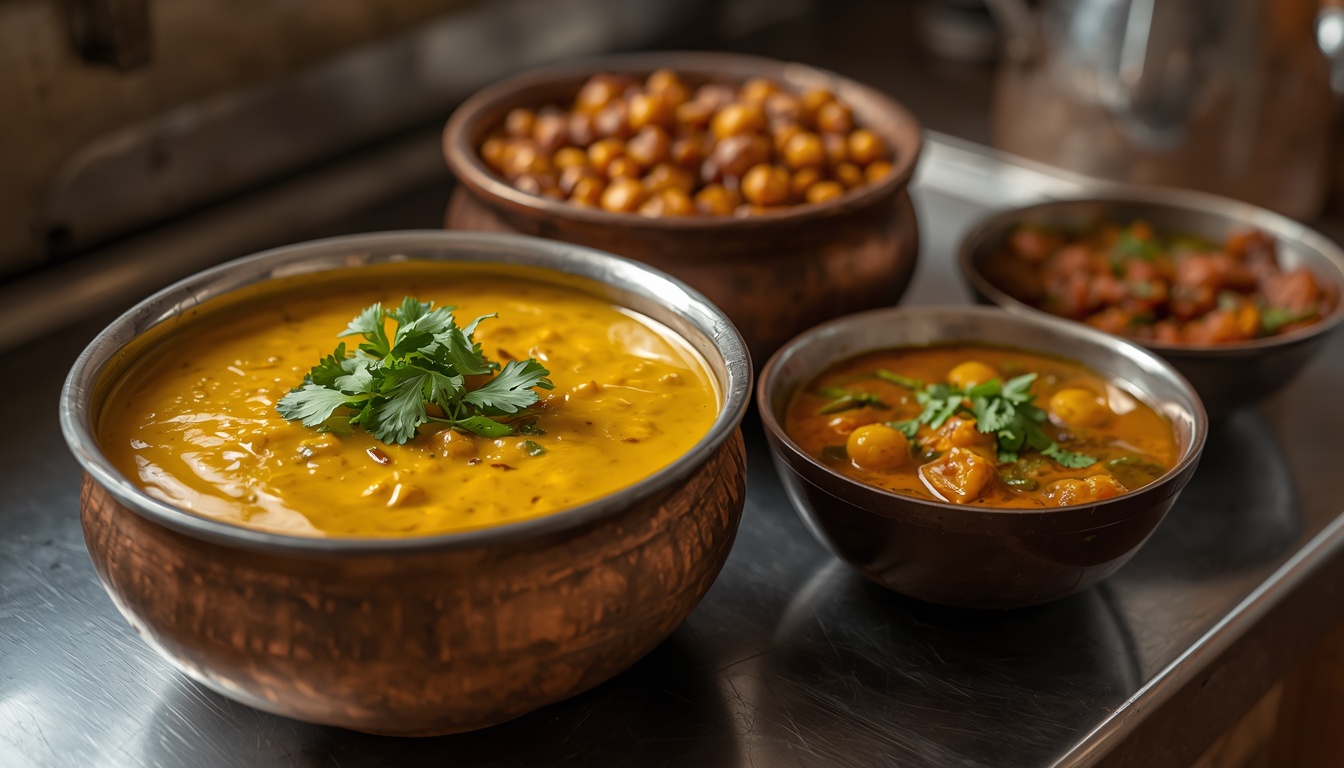
If you cook Indian food at home, you’re already ahead here, because these are everyday staples in most kitchens. Lentils (all the dals) give you plant protein and fiber, and they digest slowly, so they raise blood sugar far less than white rice or white bread. Chickpeas are just as useful, whether in chana masala, roasted as a snack, or blended into hummus. Beans like rajma and black beans do the same job. Some research on low-glycemic eating in PCOS suggests that pulses may support healthier insulin levels, and honestly, they’re also cheap and filling, which matters.
Vegetables
Such as spinach, methi, and sarson are low in calories, high in fiber, and barely move your blood sugar. Cruciferous vegetables like broccoli, cauliflower, and cabbage fill you up without many calories. Roast them with a little olive oil and garlic, or just stir-fry them with masala. Try to get some vegetables onto your plate at both lunch and dinner.
Fruit
Berries are lower in sugar than many fruits and rich in antioxidants. Frozen ones are fine and often cheaper. Apples are my everyday pick because the fiber slows down sugar absorption. A whole apple is a much better choice than juice. Fruit isn’t the enemy here, even though some people will tell you it is.
Nuts, seeds, and healthy fats
A small handful of nuts like almonds or walnuts makes a snack that actually satisfies you, but portions matter because they’re calorie-dense. Seeds such as flax, chia, and pumpkin add omega-3s, fiber, and minerals. Ground flaxseed is absorbed better than whole, so stir a spoonful into dahi or oats. Avocado is packed with healthy fats and fiber, which is why it keeps you full for so long. It’s nice if it’s available and affordable, but if it isn’t, a few nuts or a drizzle of olive or mustard oil does a similar job.
Whole grains
Oats have soluble fiber that supports blood sugar control. Choose plain rolled or steel-cut oats, not the instant flavored packets with added sugar. Whole grains in general, such as brown rice, quinoa, barley, jowar, bajra, and whole-wheat roti, carry more fiber than their refined versions. If you only make one change, swap some of your white rice or maida for these.
Low-GI Eating Without the Stress
You’ll see “glycemic index” everywhere. It simply ranks carb foods by how quickly they raise blood sugar. Low-GI foods digest slowly and give a gentler rise.
A low-GI PCOS diet sounds technical, but in practice it’s just a few swaps: rolled oats instead of instant oats, whole-grain roti instead of maida, brown rice or millets instead of white rice, dal and beans instead of refined starches. And pair your carbs with protein or fat, because that slows things down even more.
I wouldn’t memorize GI charts. They can make eating feel like an exam. The overall balance of your plate matters more than the score of any single food.
A Simple PCOS Diet Meal Plan for One Day
This is an example, not a prescription. Your portions depend on your body, your activity, and your hunger. Think of it as a template you can bend.
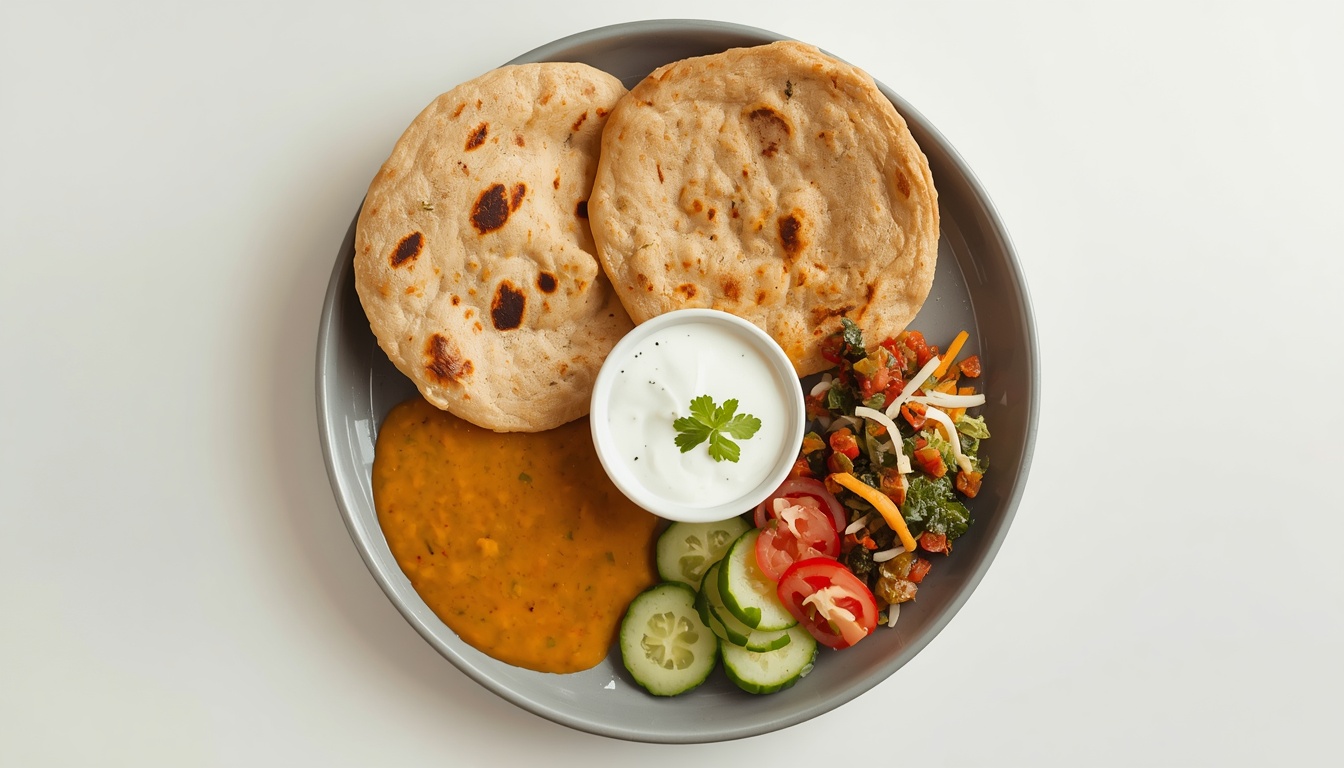
For breakfast, try scrambled eggs with spinach and a slice of whole-grain toast, or a vegetable besan chilla with dahi. If you like something quick, oats with berries, seeds, and a spoon of peanut butter work too.
Mid-morning, have plain Greek yogurt or dahi with a few walnuts, or just a handful of roasted chana.
For lunch, build a plate with dal or grilled chicken or fish, one or two whole-wheat or bajra rotis (or a portion of brown rice), a big serving of sabzi, and a salad with olive oil or lemon.
In the evening, eat an apple with a tablespoon of peanut butter, or a small handful of almonds.
Dinner can be lighter: chickpea curry or lentil soup with steamed greens and a little brown rice.
Notice the pattern rather than the exact foods. Every meal has protein, fiber, and some healthy fat. If you remember only that, you can build a plan from whatever’s in your kitchen.
PCOS Diet and Weight Loss
I’ll be honest: losing weight with PCOS is harder than it is for most people. Insulin resistance and other metabolic factors work against you, and that’s not a lack of willpower. Please don’t let anyone, including yourself, make you feel it is.
What helps is a steady approach. Eat balanced meals with enough protein to protect muscle and keep hunger in check. Lean on fiber-rich foods. Choose minimally processed food most of the time. Keep portions reasonable without extreme restriction, and move your body regularly.
Studies comparing different calorie-restricted approaches generally find that several can work, and that sticking with the plan matters a great deal. So the best PCOS diet for weight loss is simply the one that meets your nutritional needs and that you can follow without feeling miserable. Crash diets and severe calorie cutting tend to backfire, with rebound eating, low energy, and often a worse relationship with food.
What to Go Easy On in a PCOS Diet
Nothing needs to be banned. But a few things are worth cutting back on because they spike blood sugar fast or add lots of calories with little nutrition: sugary drinks and sweetened chai, packaged snacks like chips and biscuits, fried foods like samosas and namkeen when they’re an everyday habit, sweets and added sugar, and refined grains such as white bread, white rice, and maida.
Having a jalebi at a wedding doesn’t mean you’ve failed. What matters is what you do most days. A fear-based, all-or-nothing relationship with food rarely lasts and doesn’t help your health either.
Habits That Make Eating Well Easier
Starting a PCOS diet feels like a lot, so I’d keep it small. Add a protein source to your breakfast first, because that one change helps many people. Then add vegetables or fruit every day. Choose higher-fiber carbs when you can. Drink enough water. If your week is chaotic, a little prep on the weekend, like boiled eggs, soaked chana, or chopped veggies, saves you from reaching for something less helpful when you’re tired.
And listen to your body. Your energy, hunger, and digestion tell you more than any chart.
Beyond the Plate: Movement, Sleep, and Stress

Food is only one piece. Regular movement helps your body use insulin better, and it doesn’t have to be intense. A daily walk, yoga, cycling, swimming, or strength training all count, as long as you’ll actually do it.
Sleep matters more than most people think. Poor sleep can worsen insulin resistance and mess with your appetite, so aim for seven to nine hours on a fairly regular schedule. And chronic stress affects blood sugar and hormones too. Breathing exercises, walks, or a few quiet minutes a day won’t cure PCOS, but they add up.
Final Thoughts
A good PCOS diet isn’t about one magic food or a strict set of rules. It’s about building habits that keep your blood sugar steadier, support proper nutrition, and fit into your real life, including festivals, family meals, and busy weeks.
Start small. Add protein to breakfast. Swap some white rice for brown rice or millets. Keep your snacks balanced. These little changes add up quietly, and that’s how they last.
This article is for general information and isn’t medical advice. If you have other health conditions or take medication, please talk to a doctor or registered dietitian before making big changes to your diet.
Questions People Ask Me Most
Is there a best PCOS diet?
Not one for everybody. Mediterranean-style eating is often recommended because it focuses on whole foods and limits processed ones, but the best approach is the one that’s balanced, sustainable, and suits your taste and budget.
Do I have to give up carbs?
No. Carbs are your body’s main source of energy. Choose slow-digesting, high-fiber ones and pair them with protein or fat. Cutting carbs completely isn’t necessary and rarely lasts.
What should I eat for breakfast?
Something with protein, fiber, and healthy fat: eggs with vegetables, dahi with berries and nuts, besan chilla, or oats with seeds.
Can I follow a PCOS diet on a budget?
Absolutely. Dal, chana, rajma, seasonal vegetables, eggs, dahi, oats, and millets are among the most affordable foods around, and they’re the backbone of PCOS-friendly eating. You don’t need expensive superfoods.
Should I see a dietitian?
If you can, yes. PCOS affects everyone differently, and a registered dietitian can build a plan around your health, preferences, and routine.