
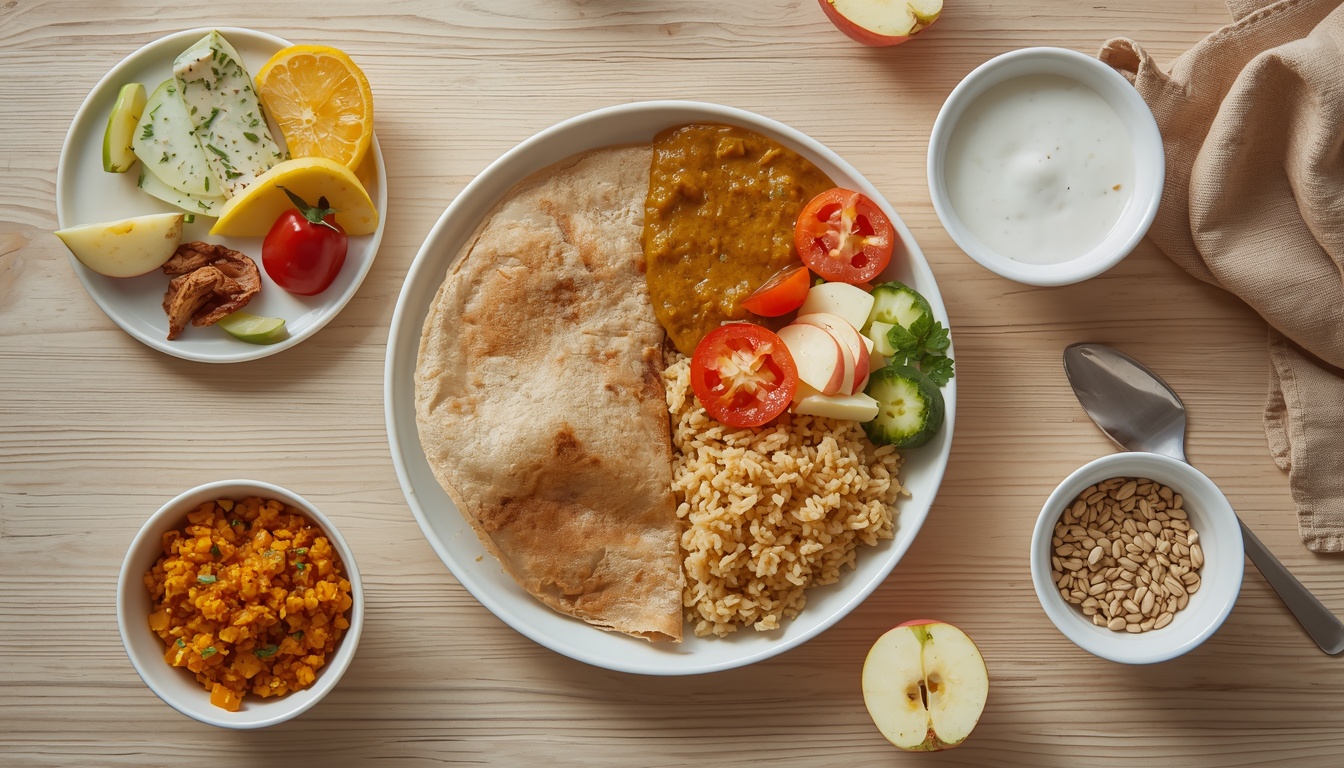
A whole foods diet for weight loss focuses on choosing fruits, vegetables, beans, lentils, whole grains, nuts, seeds, and other minimally processed foods. Rather than following strict food rules or cutting out entire food groups, this approach encourages you to build balanced meals from everyday ingredients.
The idea is simple: make nutritious foods easier to choose, prepare meals that satisfy your hunger, and develop eating habits you can maintain over time. You do not need expensive diet products or complicated recipes to get started.
However, eating whole foods does not automatically guarantee weight loss. The food you eat, your daily activity, sleep, and overall health all play an important role in weight loss.
In this guide, you will learn how to choose whole foods, replace common processed options, read food labels, plan practical meals, and avoid mistakes that can make healthy eating difficult while supporting weight loss.
Table of Contents
What Is a Whole Foods Diet?
A whole foods diet emphasizes foods that remain close to their original form or have undergone relatively little processing. Examples include fresh fruits and vegetables, oats, brown rice, dal, eggs, unsalted nuts, and plain curd or yogurt.
Some foods require processing to make them safe, convenient, or easier to eat. Frozen vegetables, canned beans, pasteurized milk, and plain yogurt can all fit into a balanced eating pattern. Processing alone does not make a food unhealthy.
The main distinction is between choosing nourishing everyday foods more often and relying heavily on products that are high in added sugars, sodium, or saturated fat but provide relatively little nutritional value.
Food category | Everyday examples |
Fruits and vegetables | Apples, bananas, carrots, spinach, green peas, and other seasonal produce |
Whole grains | Oats, brown rice, whole-wheat bread |
Protein foods | Beans, lentils, eggs, fish, tofu, plain yogurt |
Healthy fat sources | Nuts, seeds, olive oil |
Convenient minimally processed foods | Canned beans, frozen vegetables, plain frozen fruit |
Foods to limit when eaten frequently | Sugary drinks, sweets, and many packaged snacks high in added sugar or sodium |
You don’t need to stop eating all packaged food. The goal is to make choices that support your overall health while remaining realistic for your budget, schedule, and preferences.
How Can Whole Foods Support Weight Loss?
Whole foods can make a balanced eating routine easier to maintain for several reasons. A whole foods diet for weight loss can help you build a practical eating routine that suits your everyday life.
They can provide more fiber. Beans, lentils, vegetables, fruits, and whole grains contain dietary fiber. Fiber supports digestive health, and fiber-rich meals may help you feel satisfied for longer.
Different foods have different benefits. For example, seasonal fruits and vegetables add vitamins and minerals to your meals, while dal, nuts, and other protein-rich foods help meet your daily nutritional needs. Eating a variety of foods instead of relying on the same few items can make your daily diet more balanced.
They can improve meal quality. Replacing some sugary drinks or frequently eaten low-nutrient snacks with more nourishing choices can improve your overall dietary pattern.
They make everyday eating easier to manage. When you prepare meals at home, you can choose the ingredients according to your needs and decide how much to eat. This also helps you make better food choices without following a strict diet plan.
Still, weight loss depends on several factors. The goal is not to stay hungry or cut down on food too much. Instead, choose balanced meals that give you enough energy and are easy to follow in your daily routine.
7 Easy Ways to Follow a Whole Foods Diet for Weight Loss
1. Build Meals Around Vegetables and Fruits
Vegetables and fruits are useful starting points because they provide fiber, water, vitamins, and minerals. Many also add volume and texture to meals without requiring complicated preparation.
Try adding vegetables to lunch and dinner rather than relying on them only as side dishes. For example, include spinach in an omelet, add carrots and peas to rice, or serve a bowl of vegetables with lentils and whole-wheat roti.
Whole fruits are also convenient options. Apples, oranges, bananas, guavas, and seasonal fruits can be eaten at home or packed for work.
Chia seed pudding is another option for adding fruit and seeds to your breakfast routine.
Practical tip: Buy a few fruits and vegetables you genuinely enjoy instead of purchasing a large variety that may go to waste. Frozen vegetables and unsweetened frozen fruit are useful alternatives when fresh produce is expensive or unavailable.
2. Choose Whole Grains More Often
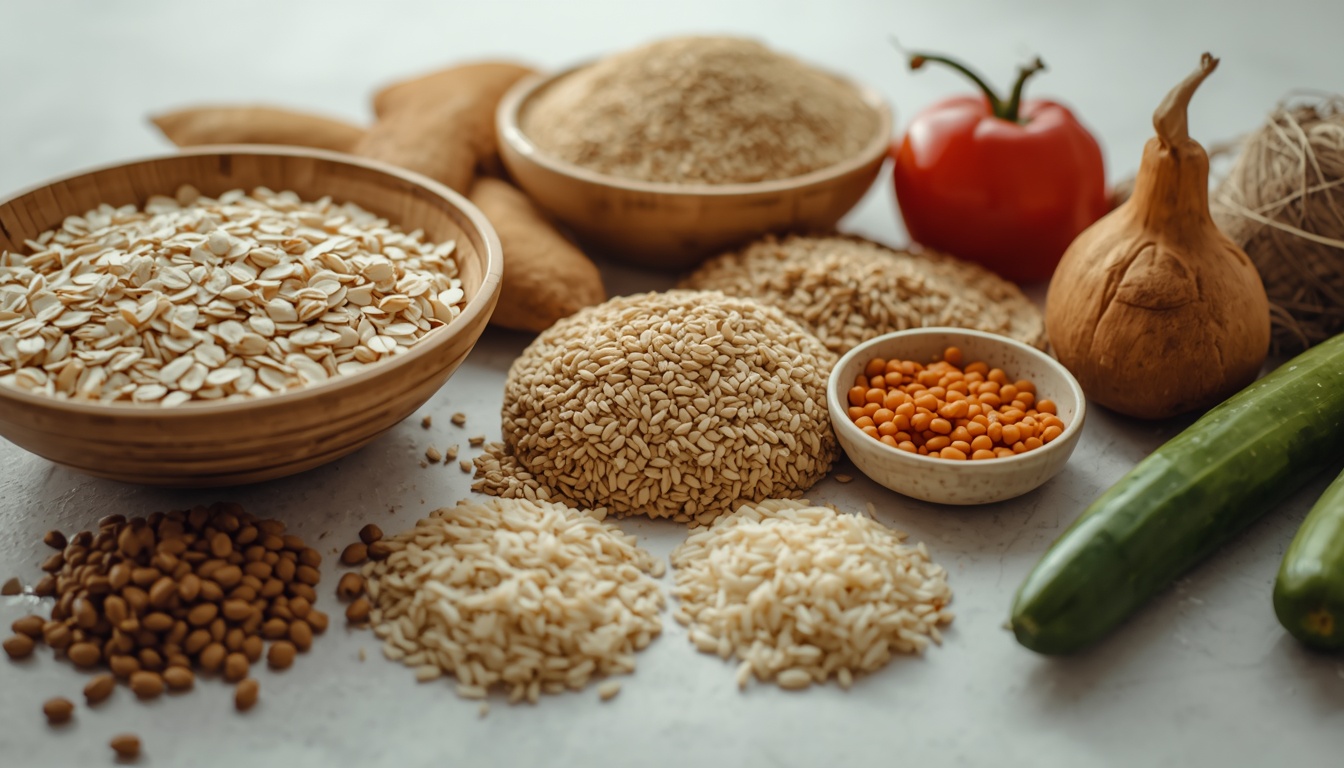
Whole grains contain the grain’s bran, germ, and endosperm. Depending on the grain and product, they can provide fiber and other nutrients.
Examples include oats, brown rice, whole-wheat bread, barley, and millets such as jowar and bajra.
If white rice or refined-flour bread is a regular part of your meals, try replacing some servings with whole-grain alternatives. You can also combine different grains with vegetables and protein-rich foods to create more balanced meals.
For Indian meals, options include:
- Whole-wheat roti with dal and vegetables.
- Oats prepared with milk or plain yogurt and fruit.
- Brown rice served with rajma and a vegetable dish.
- Bajra roti with seasonal vegetables and curd.
You do not need to eliminate white rice or other refined grains. Portion size, the overall meal, and your personal preferences all matter.
3. Include a Suitable Protein Source
You can get protein from everyday foods such as dal, chana, rajma, eggs, chicken, fish, paneer, and curd. Choose foods that suit your eating habits, are easily available in your area, and fit your budget.
For a simple meal, try dal with roti and vegetables, or add chana to your lunch.
Protein needs vary depending on factors such as age, body size, activity, and health. You do not need to buy protein powders or specialty foods simply to follow this eating pattern.
4. Replace Some Packaged Snacks With Simple Alternatives
Packaged foods can be convenient, and you don’t need to ban them all. However, frequently choosing snacks high in added sugar or sodium may leave less room for other nutritious foods.
Start with one or two changes that suit your routine.
|
Instead of choosing this every time |
Try this alternative |
|
Sugary drinks |
Water or unsweetened drinks |
|
Sweets as your only snack |
Fruit with plain yogurt |
|
Chips as a regular snack |
A small portion of unsalted nuts or roasted chickpeas |
|
Sweetened breakfast cereal |
Plain oats with fruit |
|
Cookies between meals |
Fruit, yogurt, or another satisfying snack |
These are options, not strict rules. If you enjoy a favorite packaged snack, you can still include it occasionally as part of an overall balanced diet.
The important step is to make nutritious alternatives available so that choosing them becomes easier.
5. Make Grocery Shopping Easier
Healthy eating often starts before you enter the kitchen. A little planning can reduce food waste, save time, and make it easier to prepare meals at home.
Before shopping, check what you already have. Then create a short list based on meals you expect to prepare during the next few days.
Your list might include:
- Vegetables: carrots, spinach, tomatoes, onions, or frozen mixed vegetables.
- Fruits: bananas, apples, oranges, or seasonal produce.
- Grains: oats, brown rice, whole-wheat atta, or another whole grain.
- Protein foods: lentils, beans, eggs, tofu, or plain yogurt.
- Other essentials: nuts, seeds, and cooking ingredients you regularly use.
Choose foods that fit your household size and budget. Dried beans and lentils may be economical, while canned beans and frozen vegetables can save preparation time.
You do not need to buy organic products, imported foods, or expensive health-branded ingredients to eat well.
6. Learn to Read Food Labels
Food labels help you compare packaged products and understand what you are buying. They are particularly useful when two products appear similar but have different nutritional profiles.
Check these details when comparing options:
Ingredients list: Ingredients are generally listed in descending order by weight. Look at the first few ingredients to understand what makes up most of the product.
Added sugars: Compare the added-sugar information when it is provided. Sweetened drinks, cereals, and flavored yogurts can contain more added sugar than expected.
Sodium: Compare sodium levels in products such as soups, sauces, instant meals, and packaged snacks, especially if you are trying to reduce sodium intake.
Fiber: When comparing breads and cereals, check the fiber content per serving. Whole-grain ingredients and the nutrition panel can help you make a more informed choice.
Serving size: Nutritional values are often listed per serving, and the serving size may differ from the amount you normally eat.
No single number tells you whether an entire product is healthy or unhealthy. Consider the ingredients, nutrition information, serving size, and how the food fits into your overall eating pattern.
7. Prepare a Few Ingredients in Advance
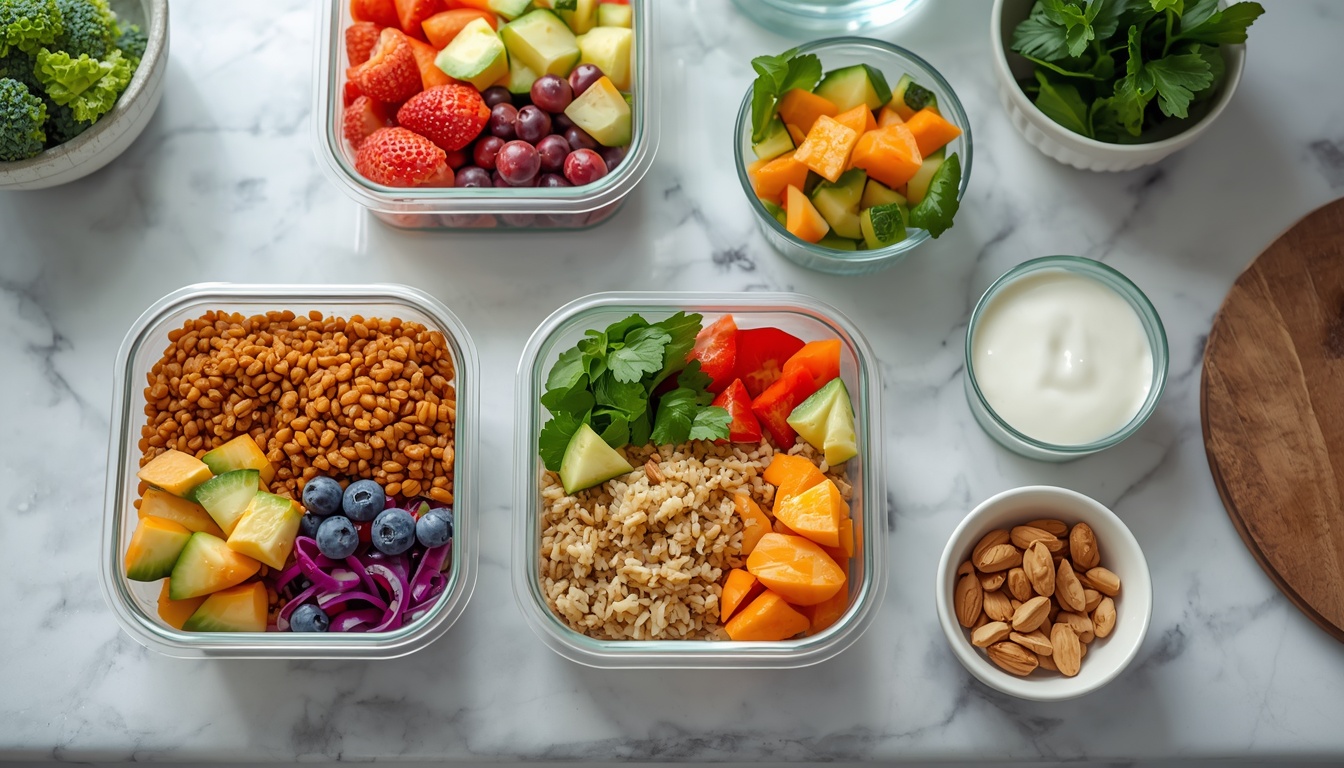
You do not need to cook every meal from scratch each day. Preparing a few ingredients ahead of time can make balanced meals quicker to assemble.
For example, cook a batch of lentils, wash vegetables, prepare a pot of rice, or portion nuts into small containers. Refrigerate cooked foods promptly and store them safely.
You can then combine the prepared ingredients in different ways:
- Lentils with roti and vegetables.
- Rice with beans and mixed vegetables.
- Plain yogurt with fruit and oats.
- Eggs with whole-wheat toast and tomatoes.
Choose preparation methods that fit your schedule. Even preparing one or two ingredients can help on busy days.
A Simple One-Day Whole Foods Meal Plan
The following example shows how you might combine everyday foods into balanced meals. It is not a personalized calorie prescription, and portion sizes should reflect your appetite, needs, activity, and health.
You can change these meals to suit your culture, budget, food availability, and dietary requirements. For example, someone who does not eat animal products can choose lentils, chickpeas, beans, tofu, and other suitable plant proteins.
You also do not need to follow a fixed number of meals each day. Choose a routine that helps you meet your nutritional needs and manage hunger comfortably.
For more meal ideas, explore these Indian healthy diet plan ideas.
This whole foods diet for weight loss can be adapted to your food preferences and daily routine.
Common Mistakes to Avoid
Even a nutritious eating pattern can become difficult if it involves unnecessary restrictions or unrealistic expectations.
A whole foods diet for weight loss should focus on balanced choices rather than strict food restrictions.
Avoid treating all processed foods as unhealthy
Frozen vegetables, canned beans, whole-grain bread, and plain yogurt can be convenient parts of a balanced diet.
Do not remove entire food groups without a good reason
Carbohydrates and dietary fats both have important roles in nutrition. A balanced approach is generally more practical than extreme restriction.
Do not assume that healthy foods have no calories
Nuts, seeds, oils, and nut butters can provide valuable nutrients but are energy-dense. Choose amounts that suit your needs rather than avoiding them entirely.
Do not expect immediate results
Body weight can fluctuate because of water retention, digestion, hormonal changes, and other factors. Look at longer-term habits rather than judging progress from a single day’s measurement.
Do not ignore hunger or energy levels
Eating too little can leave you tired, hungry, or unable to meet your nutritional needs. Seek advice from a qualified healthcare professional if you are unsure how much food is appropriate for you.
Is a Whole Foods Diet Suitable for Everyone?
A varied eating pattern built around nutritious foods can suit many people, but there is no single diet that works identically for everyone.
Your needs may differ because of age, activity, food allergies, cultural preferences, medical conditions, pregnancy, or other circumstances. Some people may also need specific dietary adjustments advised by a healthcare professional.
Whole foods can be more affordable in some circumstances, but costs depend on location, season, and availability. Frozen produce, dried lentils, beans, and locally available grains may be practical options.
If you have a medical condition that affects your diet, consult a registered dietitian or qualified healthcare professional before making major dietary changes. The goal is to eat adequately and safely, not to follow a rigid set of food rules.
Final Thoughts
A whole foods diet for weight loss does not need to be complicated or expensive. Start with a few practical changes: add vegetables to regular meals, choose whole grains more often, include suitable protein sources, and keep convenient nutritious ingredients available.
You can still enjoy your favorite foods while making balanced choices most of the time. Rather than following strict rules, build an eating routine that supports your nutritional needs, fits your budget, and feels manageable over the long term.
Small, consistent changes are often more realistic than trying to change every meal at once. Start with one habit this week, see how it fits your life, and build from there.
Frequently Asked Questions
Item #1
What foods can you eat on a whole foods diet for weight loss?
You can include vegetables, fruits, whole grains, beans, lentils, nuts, seeds, and suitable protein sources such as eggs, fish, tofu, or plain yogurt. Minimally processed options, including frozen vegetables and canned beans, can also fit. The right combination depends on your needs and preferences.
Item #2
Do you have to stop eating bread or rice?
No. Bread and rice can both fit into a balanced diet. You may choose whole-grain versions more often for their fiber content, but you do not need to eliminate foods you enjoy. Consider portion sizes and combine grains with vegetables and protein-rich foods.
Item #3
Are frozen and canned foods allowed?
Yes. Frozen vegetables and unsweetened frozen fruit can be nutritious and convenient. Canned beans are also useful; compare labels and choose lower-sodium options when practical. Rinsing canned beans can help reduce some of their sodium.
Item #4
Can you lose weight without counting calories?
Some people manage their food intake without tracking calories by building balanced meals, paying attention to hunger and fullness, and making sustainable food choices. However, results vary. Calorie needs are individual, and calorie tracking is not necessary or suitable for everyone.
Item #5
How long does it take to see results?
There is no universal timeline. Changes depend on your starting point, eating habits, activity, sleep, health, and other factors. Focus on consistent habits and overall well-being rather than expecting a specific amount of weight loss by a particular date.